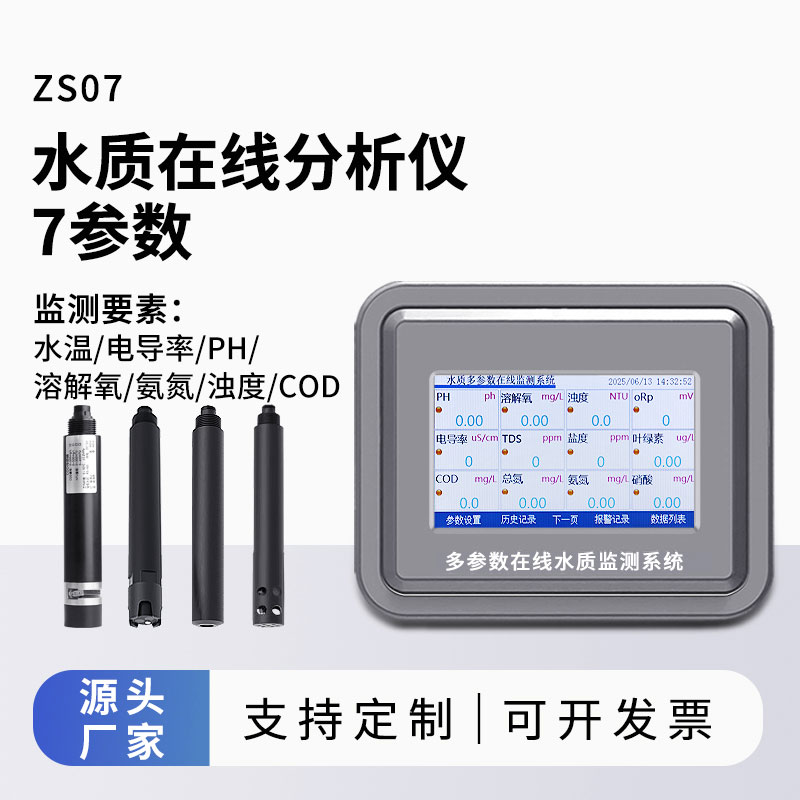
Design plan for a river channel sewage discharge and water quality monitoring system platform is designed to build a comprehensive solution integrating online monitoring and data management. The core of the system is an online water quality monitor that can measure key parameters such as conductivity, pH, dissolved oxygen, ammonia nitrogen, turbidity, COD, and water temperature in real time. This solution is specifically designed for monitoring river discharge points and controlling wastewater treatment processes, enabling rapid data acquisition, remote transmission, real-time alerts, and intelligent analysis of water quality data.
Design plan for a river channel sewage discharge and water quality monitoring system platform comprehensive technical solution was developed to address the needs of water environmental protection and wastewater discharge management. The core objective of this solution is to establish a complete system from on-site data acquisition to cloud-based intelligent management, achieving real-time, continuous, and automated monitoring of river water bodies and key discharge points.
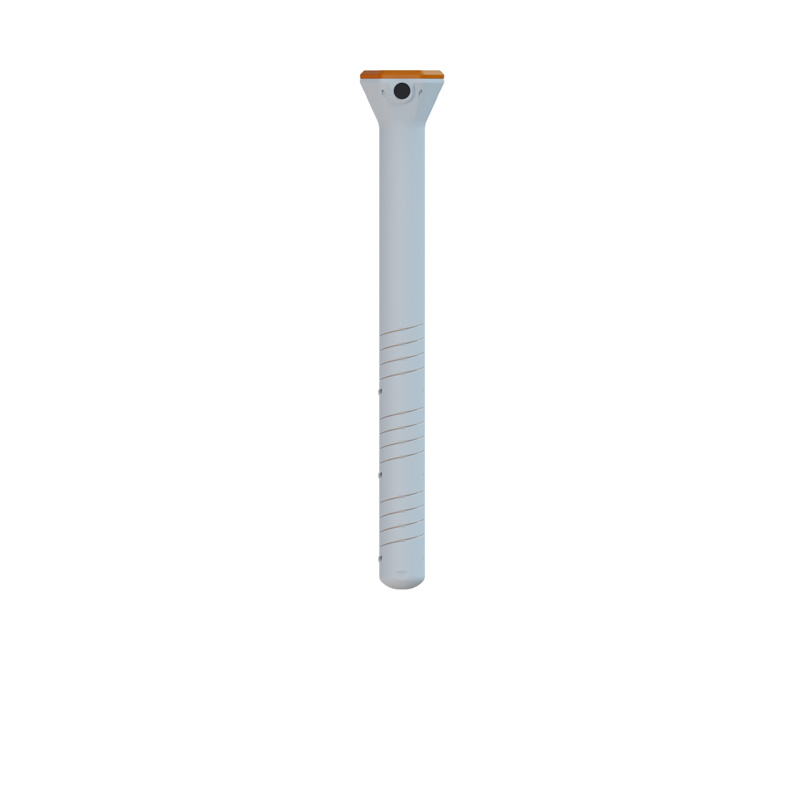
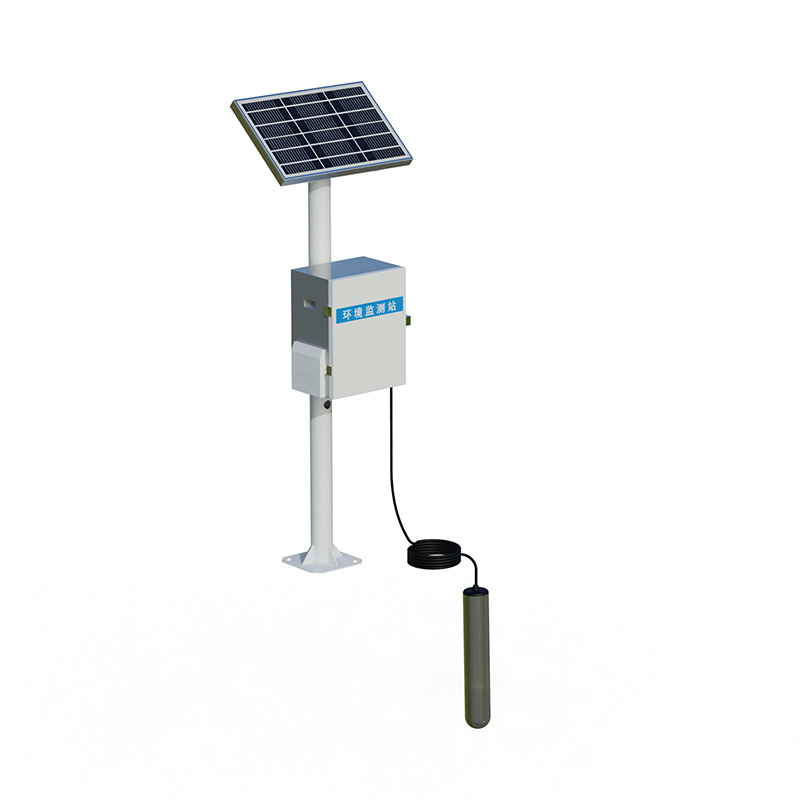
The hardware foundation of the system is an online multi-parameter water quality monitor. This instrument uses a modular sensor design and can continuously and synchronously measure multiple key water quality indicators. Routine monitoring parameters include: conductivity (reflecting the total ion content of the water body), pH (characterizing acidity and alkalinity), dissolved oxygen (a key indicator for assessing the self-purification capacity and ecological health of the water body), ammonia nitrogen (indicating organic pollution and eutrophication levels), turbidity (representing the cloudiness of the water body), chemical oxygen demand (COD) (comprehensively evaluating the level of organic pollution), and water temperature (as a basis for the analysis of other parameters). These sensors are typically integrated into a high-protection-level probe or monitoring station, which can be directly deployed in river sections or discharge points to achieve in-situ data acquisition and pre-processing.
In wastewater treatment scenarios, this system has direct application value. The monitor can be installed at the inlet, key treatment process units (such as biochemical tanks), and outlet of the wastewater treatment plant. By real-time monitoring of changes in parameters such as pH, COD, and ammonia nitrogen, operators can accurately understand the operating status of the wastewater treatment process. This real-time data provides immediate basis for process adjustments such as chemical dosing, aeration control, and sludge return, helping to optimize the treatment process, ensure stable and compliant effluent water quality, and improve operational efficiency.
The entire design solution is not limited to hardware deployment, but also emphasizes the data integration and management functions of the software platform. The on-site monitors transmit the collected water quality data to the central cloud platform in real time through wired or wireless communication technologies (such as 4G, LoRa, and fiber optics). The platform software is responsible for data reception, storage, verification, and visualization. Managers can log in to the platform via computer or mobile device to view real-time data, historical trend curves, and statistical reports for each monitoring point.
The platform's core functions also include intelligent early warning and decision support. Users can set safety thresholds for various water quality parameters. If monitoring data exceeds these thresholds, the system will immediately issue multi-level alarms through the platform interface, SMS messages, or application push notifications, alerting relevant personnel to investigate the source of pollution or adjust processes promptly. By conducting in-depth analysis of long-term monitoring data, the platform can also assist in evaluating pollution load change patterns, tracing pollution sources, and providing scientific data support for regional water environment management and wastewater discharge permit supervision.
The advantage of this integrated design solution lies in connecting dispersed monitoring points into a network, transforming isolated data into a systematic information flow. It effectively solves the lag problem inherent in traditional manual sampling and testing, achieving a shift from "post-event regulation" to "process control," significantly improving the refinement and intelligence level of river water environment management and wastewater treatment operations.
This paper addresses:https://www.fengtusz.com/company/934.html