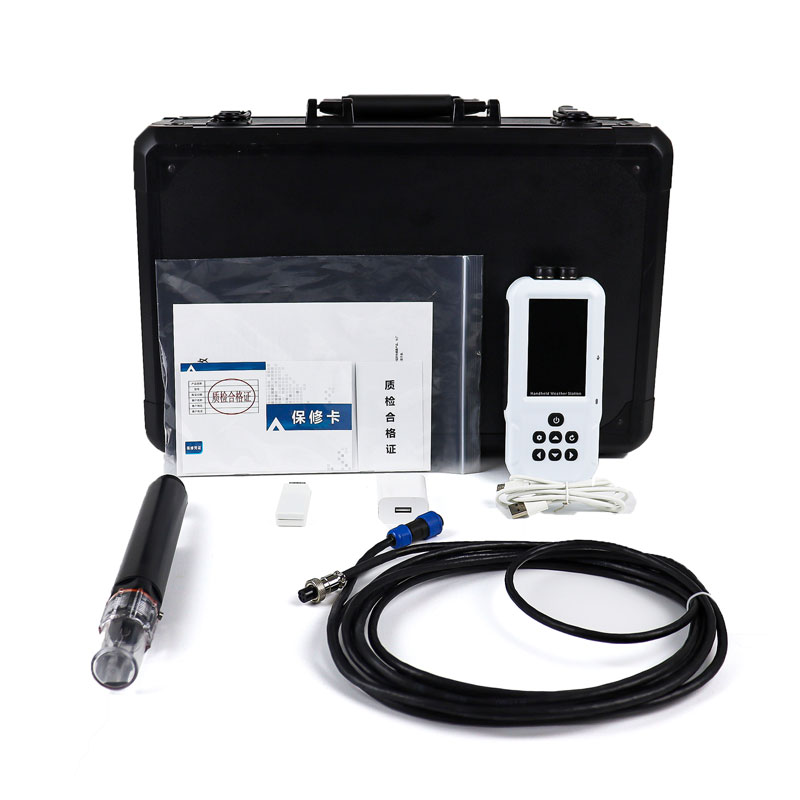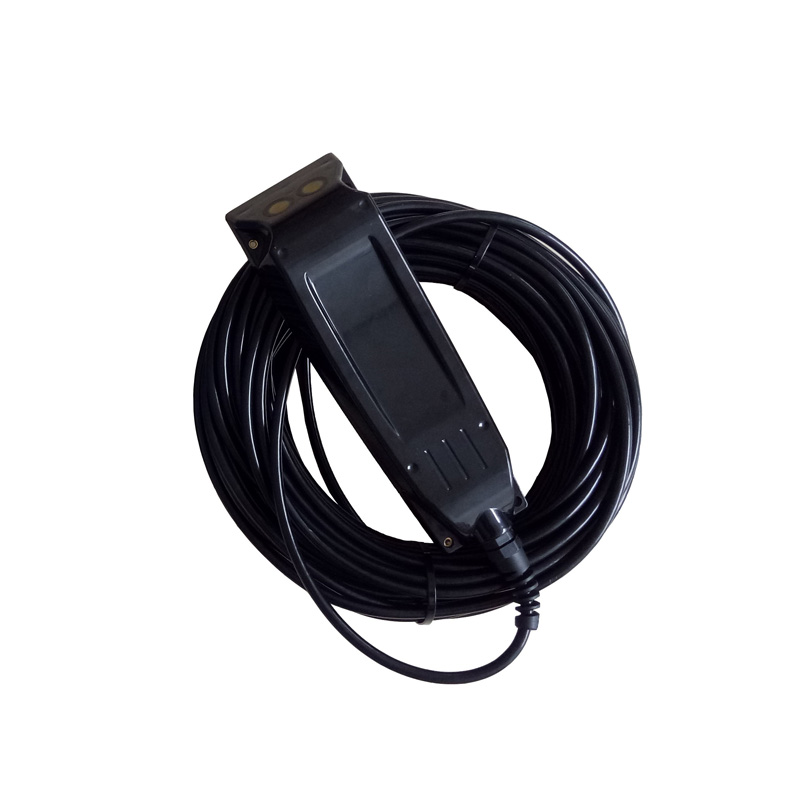
Mine Hydrological Monitoring System Utilizing a high-pressure-resistant, hermetically sealed sensor chip, this device provides real-time monitoring of water levels in deep groundwater wells, mine shafts, and geothermal wells. It features a sampling rate of 2,400 samples per second, comes standard with an RS485 transmission interface supporting distances of up to 400 meters, and boasts an IP68 protection rating, thereby providing dynamic data support for the prevention and control of water hazards in coal mines.
Mine Hydrological Monitoring System is an automated device specifically designed for the online monitoring of underground hydrological parameters in coal mines and non-coal mines; it is also referred to as a Coal Mine Hydrological Dynamic Monitoring System. The system primarily consists of downhole water-level sensors, surface telemetry substations, a data transmission network, and central monitoring software. It enables continuous, automated measurement of water levels in deep groundwater wells, mine shafts, and geothermal wells, allowing for the timely detection of dynamic changes in mine hydrological conditions and providing a data-driven basis for water hazard early warning and prevention.
Regarding its core sensor design, the system employs a built-in, hermetically sealed sensor chip engineered for exceptional resistance to high pressure, making it ideally suited for environments with high groundwater levels and deep wells. The transmitter components feature a wide operating temperature range of -40°C to +80°C, allowing them to adapt to the complex temperature conditions often found downhole. The device is compatible with measurement media—such as oil and water—that are non-corrosive to stainless steel; for prolonged measurement periods, the media temperature must not exceed 60°C. The sensor possesses an overload capacity of up to 1.5 times its full-scale range and demonstrates excellent resistance to mechanical shock. With a sampling rate reaching 2,400 samples per second, the system is capable of rapidly capturing even instantaneous fluctuations in water levels. Its long-term stability is rated at better than ±0.2% FS per year, ensuring the reliability of data collected during continuous, long-duration monitoring.
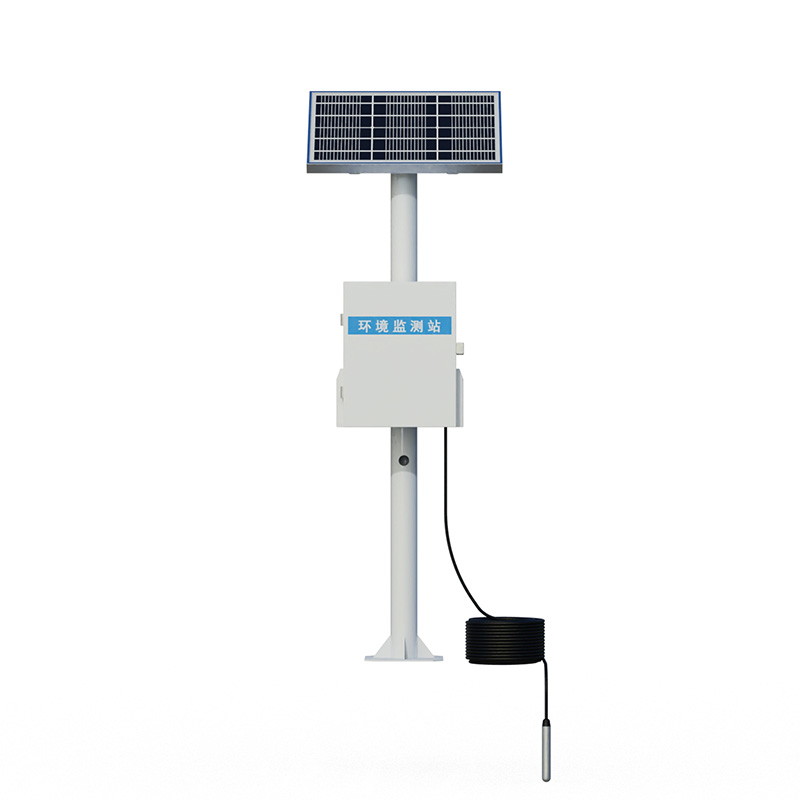
The system hardware features a low-power consumption design. It operates on a default DC power supply range of 10–30V (with a typical operating voltage of 24V) and consumes a maximum of only 0.2W, making it highly suitable for deployment in scenarios powered by batteries or solar energy. The standard configuration includes a 4-core shielded twisted-pair cable for RS485 data transmission, supporting distances of up to 400 meters; furthermore, the system supports customization for even longer transmission distances to meet specific on-site requirements. With an outer diameter of just Ø26.8 mm, the sensor features a compact structure that facilitates easy installation within narrow wellbores. Its IP68 protection rating ensures stable operation even when continuously submerged in water for extended periods. To address the operational requirements of remote, off-grid field environments, the system offers an optional solar power solution comprising a 30W solar panel and a 20Ah battery, ensuring uninterrupted operation even during prolonged periods of overcast or rainy weather. Regarding data transmission, the system supports an optional built-in IoT SIM card—pre-loaded with a three-year data allowance—to upload real-time field monitoring data to a cloud platform via a 4G network. Users may also opt for a 7-inch Android touchscreen interface to facilitate on-site data viewing and parameter configuration.
In practical coal mining applications, the system can be strategically deployed at critical locations such as surface hydrological observation wells, underground water inflow points, water-accumulating goaf areas, and mine sumps. Collected data—including water levels, water pressure, and water temperature—is transmitted to a central monitoring station via wired or wireless connections. By integrating pre-configured warning thresholds, the system automatically triggers an alarm whenever water levels exceed established limits or a sudden water inrush event occurs. Operational experience across multiple mines has demonstrated that this hydrological monitoring system significantly enhances the intelligence and real-time responsiveness of water hazard prevention and control efforts.
This paper addresses:https://www.fengtusz.com/company/955.html