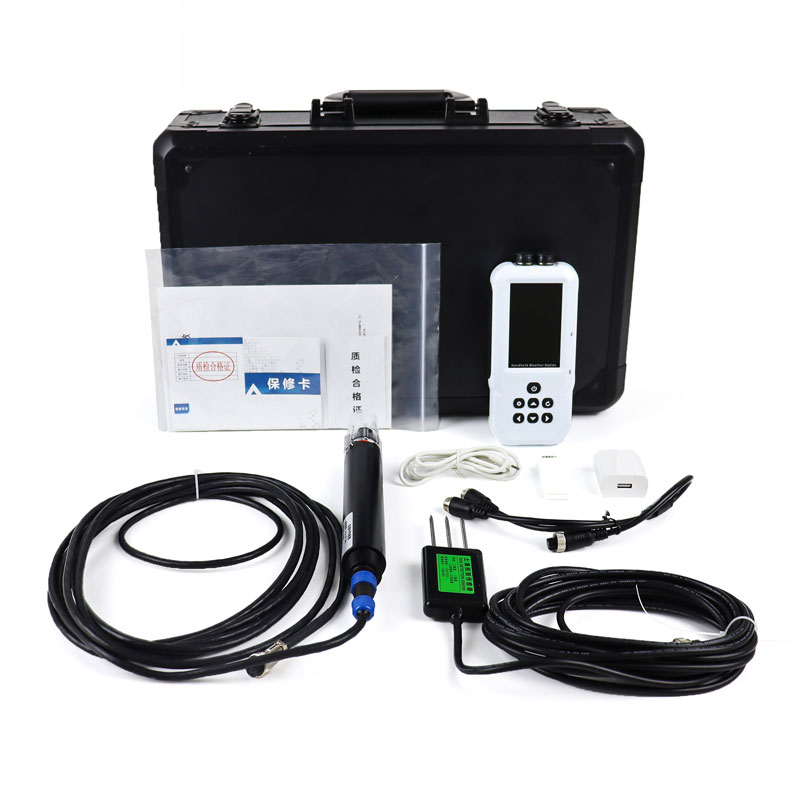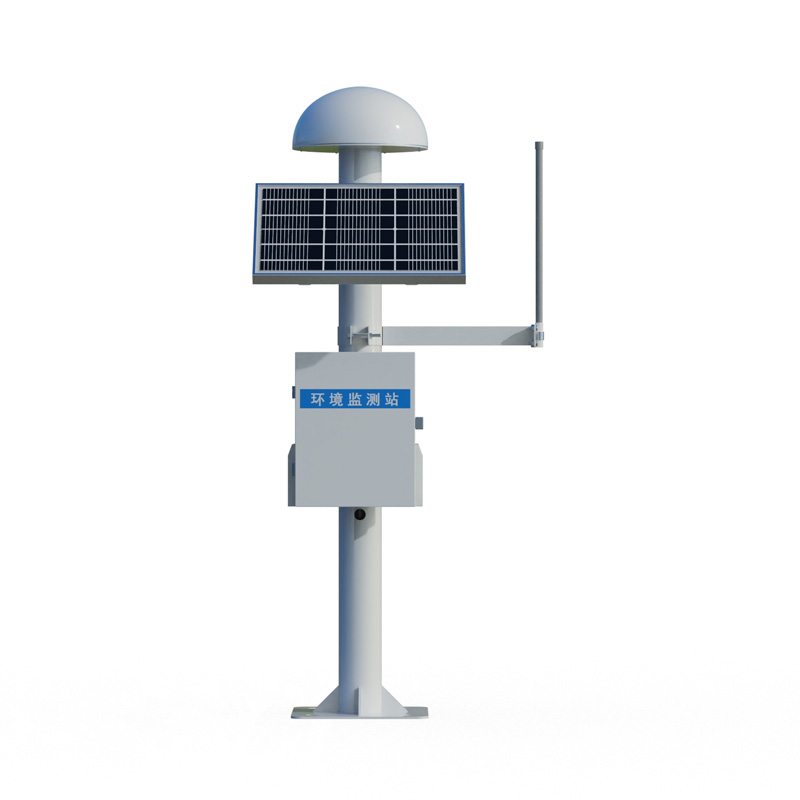
Soil monitors are online devices designed to measure soil profile temperature, moisture, and electrical conductivity. With measurement ranges of -30 to 70°C for temperature, 0 to 100% for moisture, and 0 to 20,000 µS/cm for electrical conductivity, they are widely used in agricultural engineering sectors such as smart greenhouses, smart orchards, and smart irrigation systems.
These devices integrate the measurement of three parameters—soil temperature, moisture, and electrical conductivity—into a single unit. They employ built-in sensors to conduct multi-point, stratified monitoring of the soil, collecting real-time environmental data to provide a scientific basis for agricultural production management.
Regarding technical specifications, the soil temperature measurement range is -30 to 70°C, with an accuracy of ±0.3°C (within the -10 to 70°C range) and a resolution of 0.01°C. The soil moisture measurement range is 0 to 100%, with an accuracy of ±3% in loam soils. However, for soils with high organic matter (soil organic carbon content >12%) or high clay content (>45%), calibration specific to the soil type may be required due to dielectric relaxation characteristics; the moisture resolution is 0.1%. The soil electrical conductivity measurement range is 0 to 20,000 µS/cm, with an accuracy of ±3% (within the 0 to 10,000 µS/cm range), ±5% across the full range, and a resolution of 1 µS/cm.
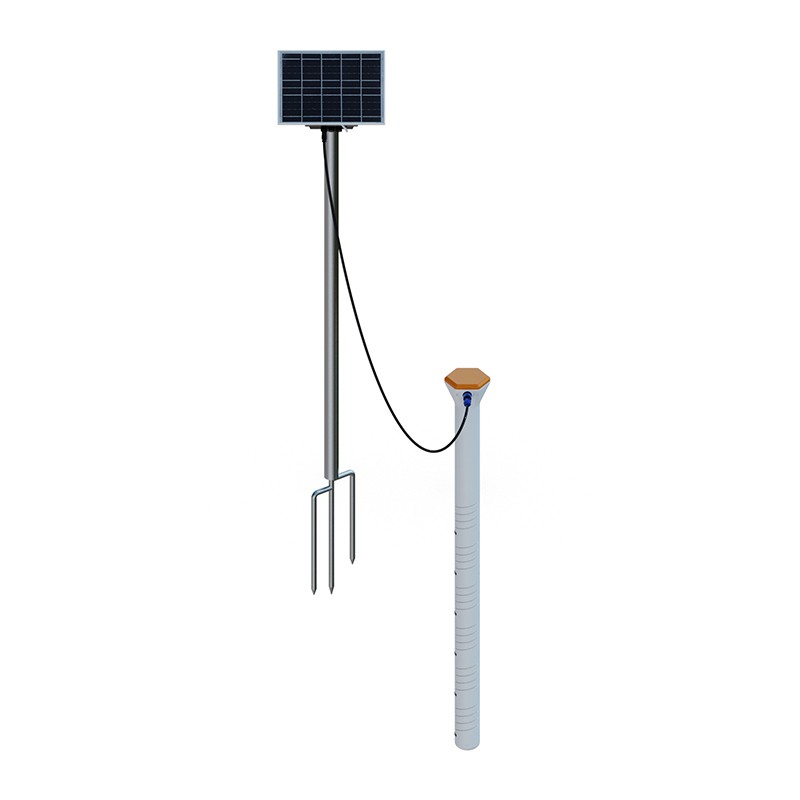
Soil monitoring equipment is increasingly utilized in the agricultural sector. Soil moisture monitors can perform stratified monitoring across up to five soil layers—at depths of 10, 20, 30, 40, and 50 cm around the sensor—and are widely applied in research areas such as farmland evapotranspiration, crop water consumption, forest hydrology, grassland ecology, soil erosion, and the water cycle. Meanwhile, soil moisture status monitors utilize sensors and region-specific mathematical models to establish decision-support systems that integrate moisture information management, query services, and predictive analysis. Regarding data transmission and power supply, the soil monitoring equipment supports multiple communication methods. Units can be equipped with wired or wireless (GSM/GPRS) communication modules, allowing recorded data to be downloaded and exported to a computer as Excel spreadsheets. Power supply options are flexible; configurations—such as mains power, solar panels, or rechargeable batteries—can be tailored to customer requirements to ensure continuous system operation during power outages or periods of overcast and rainy weather. Some models feature built-in GPS positioning, support 2G/4G/5G wireless communication and Bluetooth transmission, and utilize solar power systems with lithium batteries, enabling real-time data viewing via web interfaces, mobile apps, or cloud platforms.
The industry standard NY/T 4375-2023, "Technical Requirements for Integrated Automatic Soil Moisture Monitors," issued by the Ministry of Agriculture and Rural Affairs, specifies the composition, technical requirements, and testing methods for these integrated devices. Soil monitoring equipment enables users to stay informed about changes in basic soil conditions and determine whether plants urgently require water or fertilizer, thereby ensuring optimal growth in a suitable soil environment.
This paper addresses:https://www.fengtusz.com/technical/1036.html