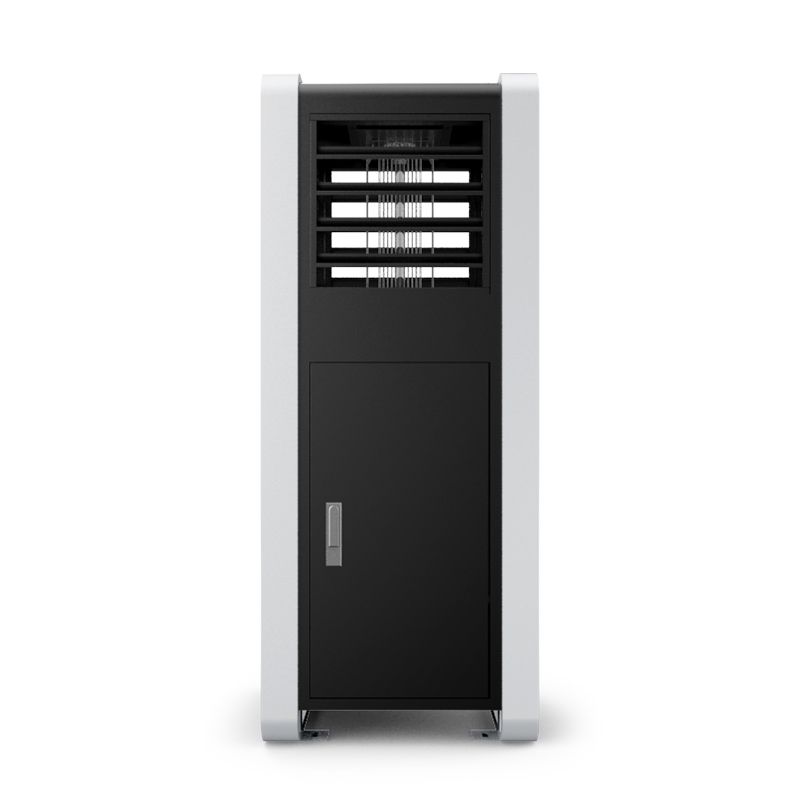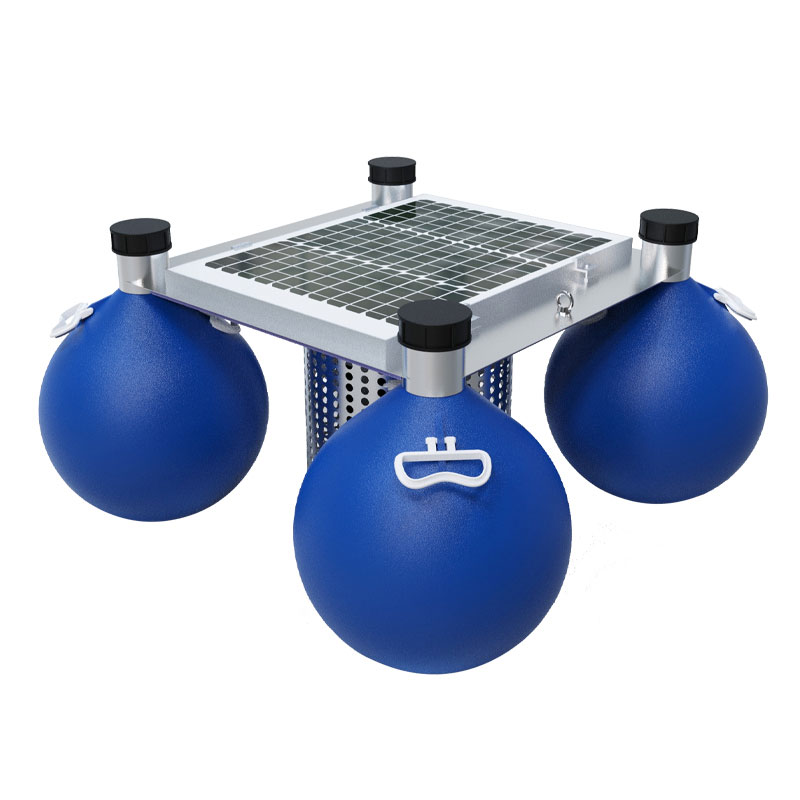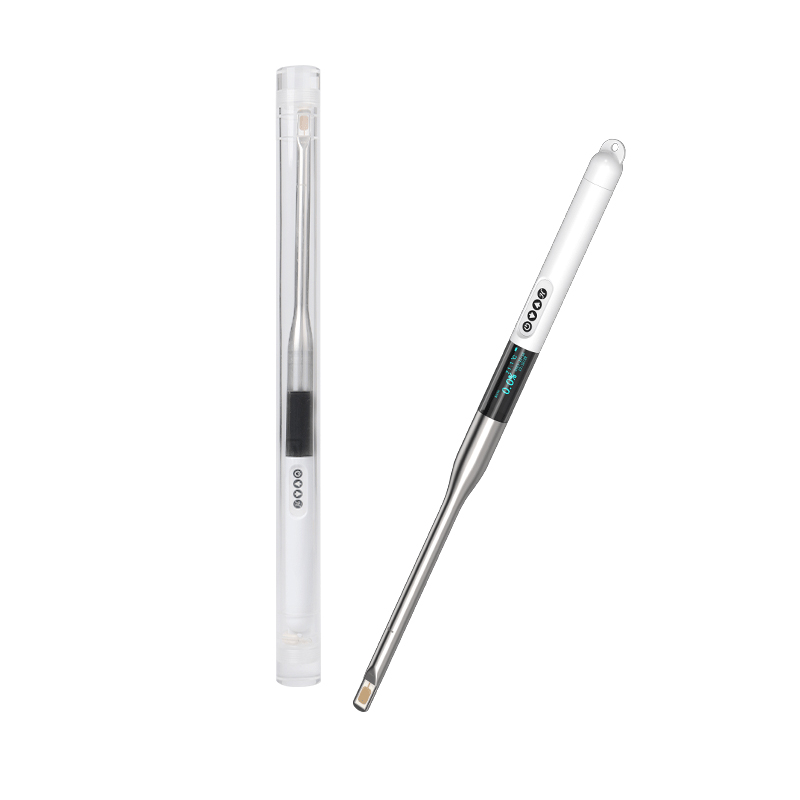
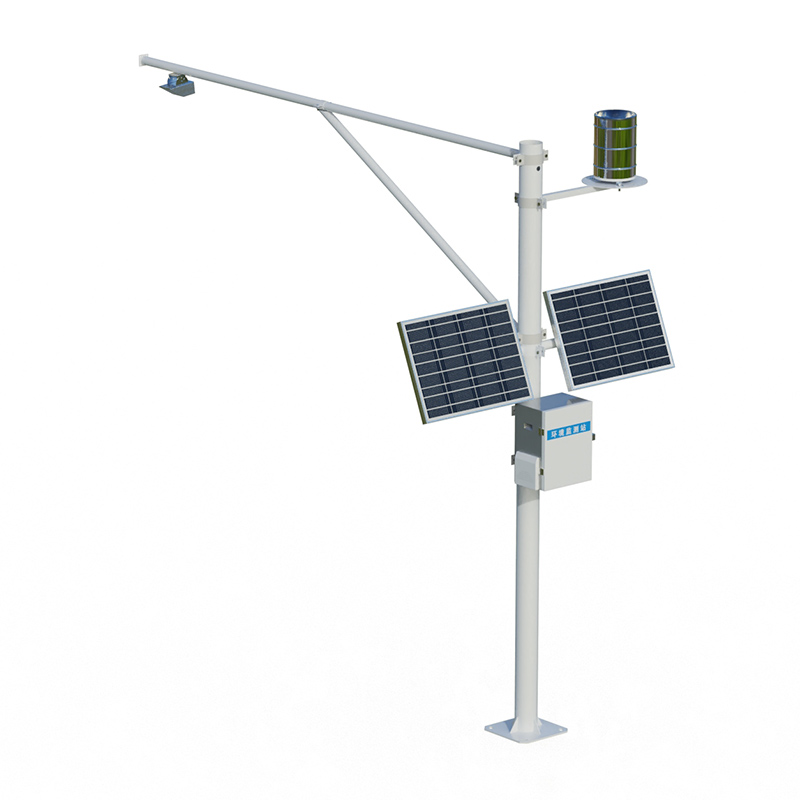
Radar Flow Meter system is a fully automatic remote sensing system for open channel flow. It employs a combination of a non-contact radar velocimeter and an ultrasonic level gauge to conduct 24-hour uninterrupted flow measurement in open channels such as irrigation areas and rivers. The equipment does not need to contact the water body, eliminating interference from silt and floating debris. It automatically collects water level and flow velocity data throughout the process and calculates instantaneous flow and cumulative water volume, providing continuous data support for water management and water intake/metering.
Open channel flow measurement has long faced challenges such as irregular channel cross-sections, entanglement with aquatic plants, high sediment content, and rapid rises and falls in water levels. Traditional rotor-type velocimeters or mechanical weirs require manual operation while wading through water, making measurement impossible at low water levels and posing safety risks at high water levels. Furthermore, it cannot obtain complete tidal processes or irrigation flow curves. The Radar Flow Meter system uses a radar velocimeter and a radar or ultrasonic level gauge as its core sensing units, installed on a bracket above the channel. The water body does not contact the sensors, making it suitable for open channels with slurry water, corrosive water, and during ice-covered periods.
The equipment measures water using the area velocity method. A radar level gauge emits pulses to measure water level changes and calculates the flow area based on pre-input channel cross-sectional parameters. A radar current meter emits microwaves to the water surface, receives the echo frequency shift, and calculates the surface velocity based on the Doppler frequency shift. A built-in algorithm converts the surface velocity into the cross-sectional average velocity using a cross-sectional velocity distribution model, multiplying it by the flow area to obtain the instantaneous flow rate. The data acquisition unit performs rolling calculations at a minute-level frequency and accumulates the total water volume for each period.
The non-contact design significantly reduces equipment maintenance. Contact instruments are susceptible to entanglement with floating debris, electrode corrosion, and siltation, and are prone to damage during the dry season. Radar waves are not limited by sewage, weak icing, or nighttime light, extending the maintenance cycle to quarterly or semi-annual periods. The equipment supports solar-powered floating charging and 4G or BeiDou short message transmission, allowing for long-term deployment in rivers without mains power, achieving unattended continuous operation.
In irrigation district applications, the [specific equipment name] is installed at the branch canal inlets and pumping station inlets/outlets. The dispatch center monitors the instantaneous flow and cumulative water distribution at each branch inlet in real time, comparing it with planned water usage targets. The platform automatically issues warnings when water usage exceeds quotas or when illegal nighttime discharge occurs. Once the channel water level-flow relationship curve is established, historical flow data can be used to optimize irrigation rotation and reduce ineffective water waste. During spring irrigation in northern irrigation districts, radar waves can still capture echo signals from water flowing under ice, maintaining continuous flow monitoring during winter.
In river hydrological monitoring, the equipment is mounted on bridges or dedicated flow measurement cables. Real-time flow is coupled with rainfall forecasts to support flood warnings and flood control scheduling for small and medium-sized rivers. For river sections where ecological baseflow is guaranteed, continuous monitoring data provides enforcement evidence for monitoring hydropower station discharge flow. Multi-site networking can construct spatial distribution maps of river and canal flow, identifying abnormal increases in water intakes or pipeline leaks along the route. The data platform is compatible with hydrological data compilation formats and directly generates daily average flow tables.
Compared to contact ultrasonic time-of-flight flow meters or electromagnetic flow meters, radar wave open channel flow meters do not require interruption of flow or road construction during installation, do not incur head loss, and do not alter the original hydraulic state of the channel. They are suitable for trapezoidal, rectangular, U-shaped, and naturally irregular cross-sections. After comparative calibration, the systematic error can be controlled within 5% within common flow velocity ranges. With the modernization of irrigation districts and the advancement of rigid water resource constraints, [the facility] is transforming from a manual inspection auxiliary tool into a core metering facility for water distribution to households and metered billing.
This paper addresses:https://www.fengtusz.com/company/940.html