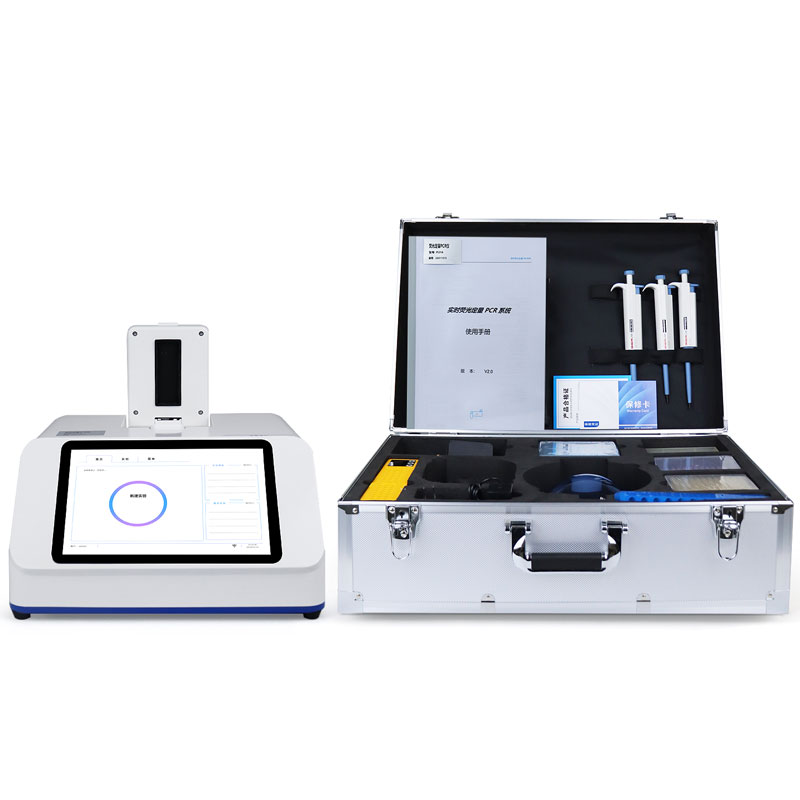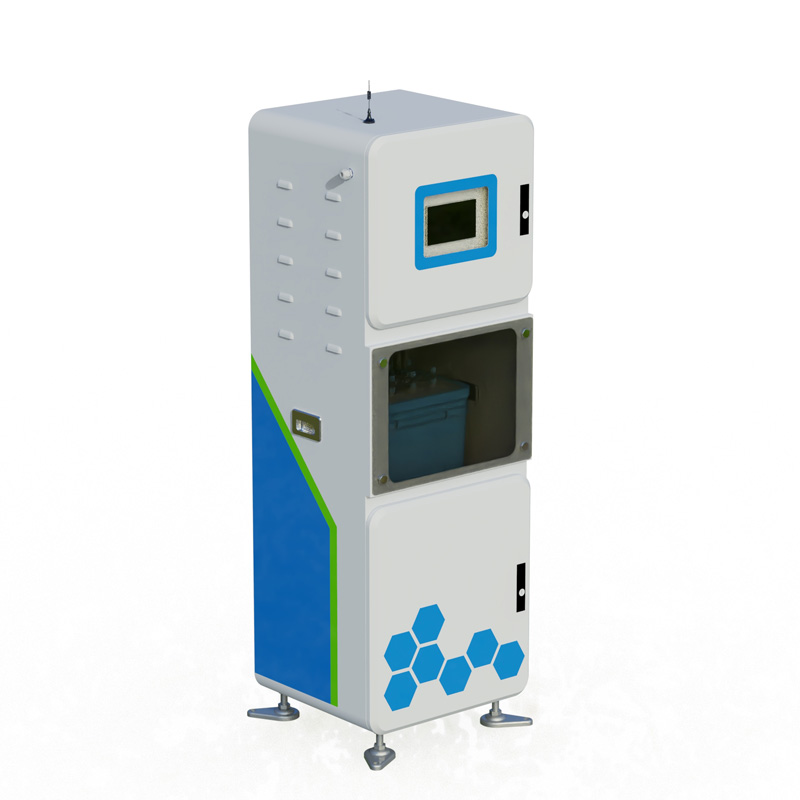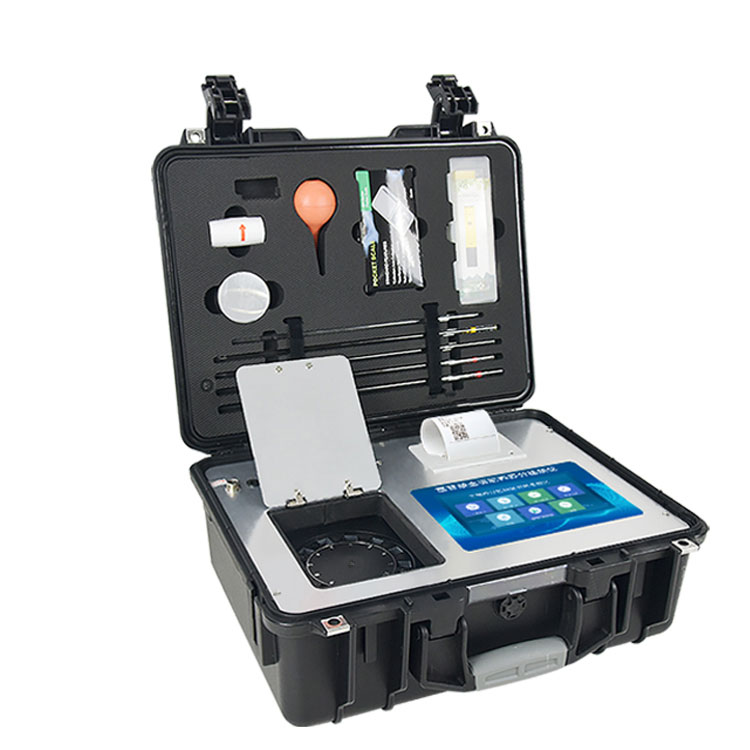
Soil moisture monitoring station is a highly integrated, low-power, high-precision automatic observation device designed for rapid field installation. It primarily monitors soil moisture content, soil temperature, and soil electrical conductivity, providing data support for agricultural irrigation, hydrological research, and ecological protection.
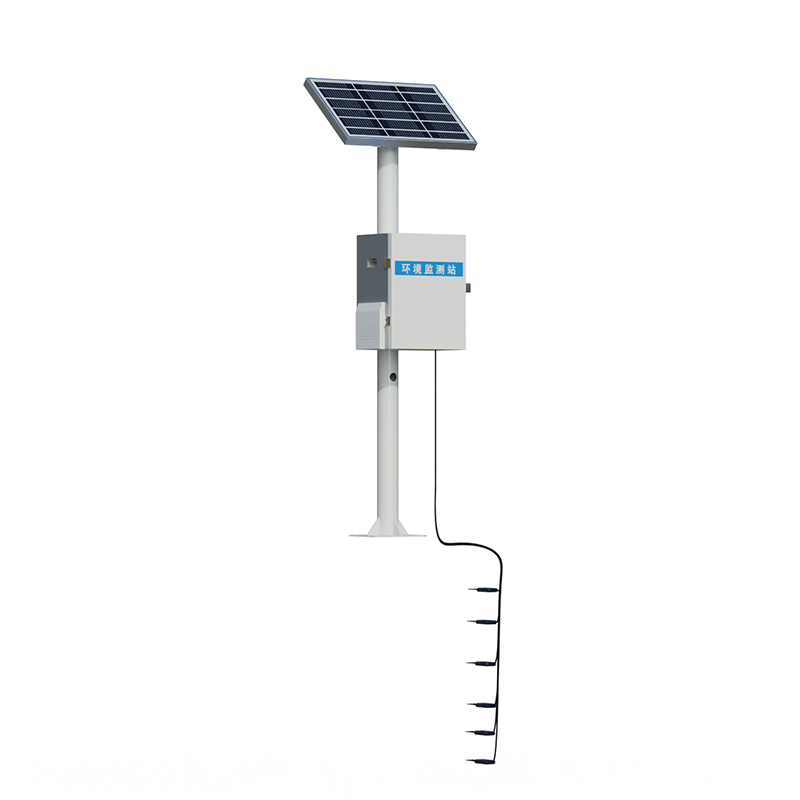
Soil moisture monitoring station is a field monitoring device for automated observation of key soil parameters. This highly integrated device features a low-power design, supporting rapid installation and long-term stable operation, suitable for continuous monitoring at fixed points in various field environments. Its core monitoring elements include soil moisture content, soil temperature, and soil electrical conductivity.
Soil moisture refers to the humidity of the soil, i.e., the actual water content of the soil. The monitoring station directly measures the volumetric or gravimetric water content of the soil using sensors, reflecting the dryness or wetness of the soil in percentage form. The device also monitors soil temperature, as temperature changes directly affect soil moisture evaporation, plant root activity, and microbial processes. Monitoring soil electrical conductivity is used to indirectly assess the salt content or ion concentration in the soil, which is crucial for determining soil salinization and nutrient availability.
The monitoring station typically consists of a sensor unit, a data logger, a power supply system, and a communication module. The sensor unit includes multiple probes that can be inserted into the soil at different depths for profile measurements to understand the vertical distribution of moisture, temperature, and electrical conductivity. The data logger is responsible for collecting sensor signals at regular intervals and converting them into digital information for storage. The power supply system usually uses a solar panel combined with a battery to meet the energy needs for long-term field operation. The communication module supports wireless transmission methods such as GPRS, 4G, LoRa, or Beidou, enabling remote real-time transmission of monitoring data.
In the agricultural field, Soil moisture monitoring station is most widely used. By obtaining real-time field soil moisture data, farmers and irrigation managers can scientifically develop irrigation plans, achieving precise irrigation and avoiding water waste. Combined with soil temperature data, it can guide planting times, predict seedling emergence, and prevent frost damage. Electrical conductivity data helps assess the degree of soil salinization and guide soil improvement measures. This information collectively provides decision-making basis for improving crop yield and quality.
In the fields of hydrology and meteorology, this device is used to study the transformation patterns of surface and groundwater, watershed runoff processes, and drought monitoring and early warning. Long-term, continuous soil moisture data is a crucial input parameter for hydrological models and fundamental information for assessing meteorological and agricultural droughts. In ecological conservation and forestry, monitoring stations are used to study soil moisture dynamics under different vegetation types, evaluate the effectiveness of ecological restoration, or provide underground moisture information for forest fire risk forecasting.
Furthermore, soil moisture and temperature data are also of significant value in scientific research and teaching, land remediation, and stability monitoring of major engineering projects (such as highway slopes and dams).
The device's low power consumption and durable design allow it to operate stably for several months in unattended field environments. Its quick installation feature facilitates the establishment of temporary monitoring networks to meet emergency monitoring tasks. With the development of the Internet of Things and big data technologies, a network composed of multiple monitoring stations can achieve spatio-temporal dynamic perception and visualization of regional soil moisture.
By providing accurate and continuous data on key soil parameters, Soil moisture monitoring station has become an indispensable infrastructure in modern precision agriculture, smart hydrology, environmental monitoring, and ecological management.
This paper addresses:https://www.fengtusz.com/industry/935.html