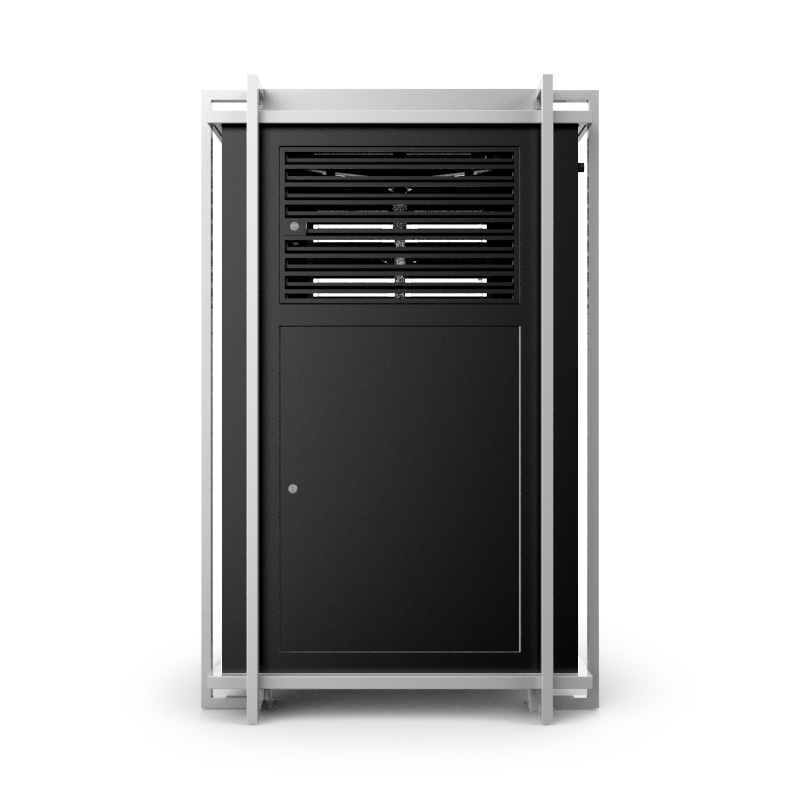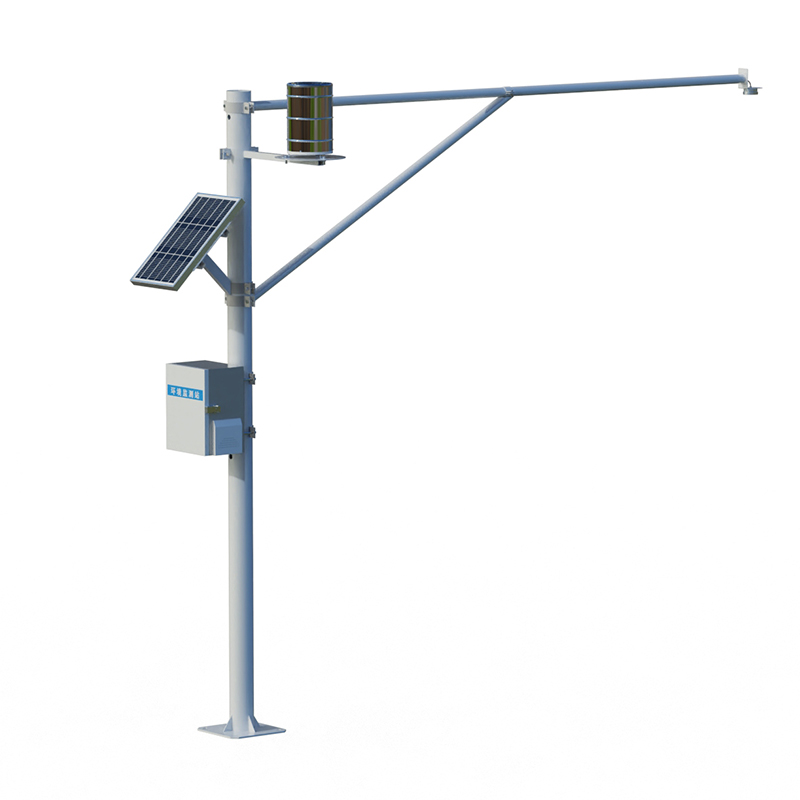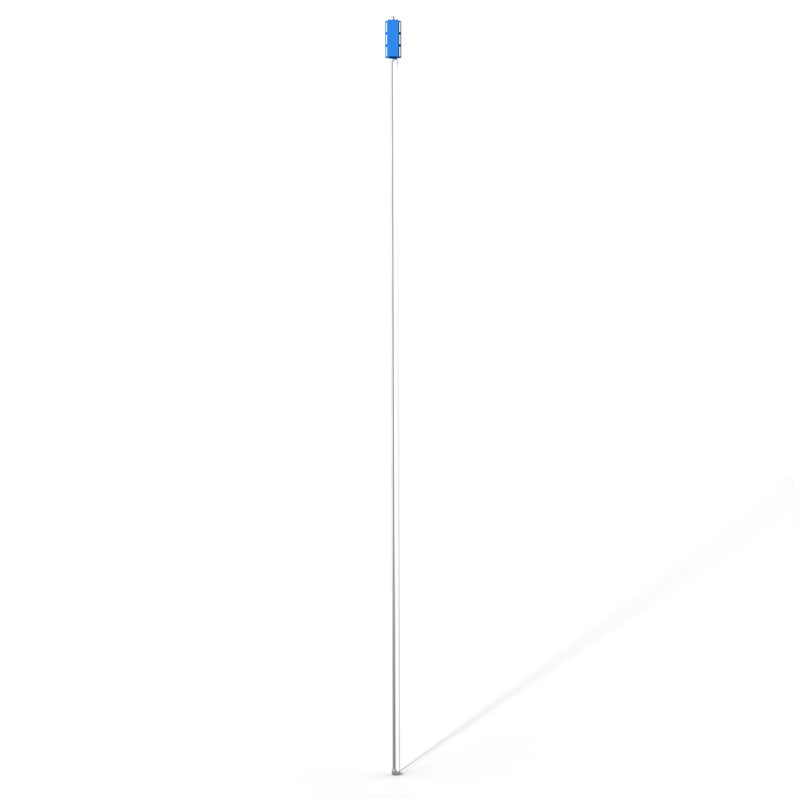
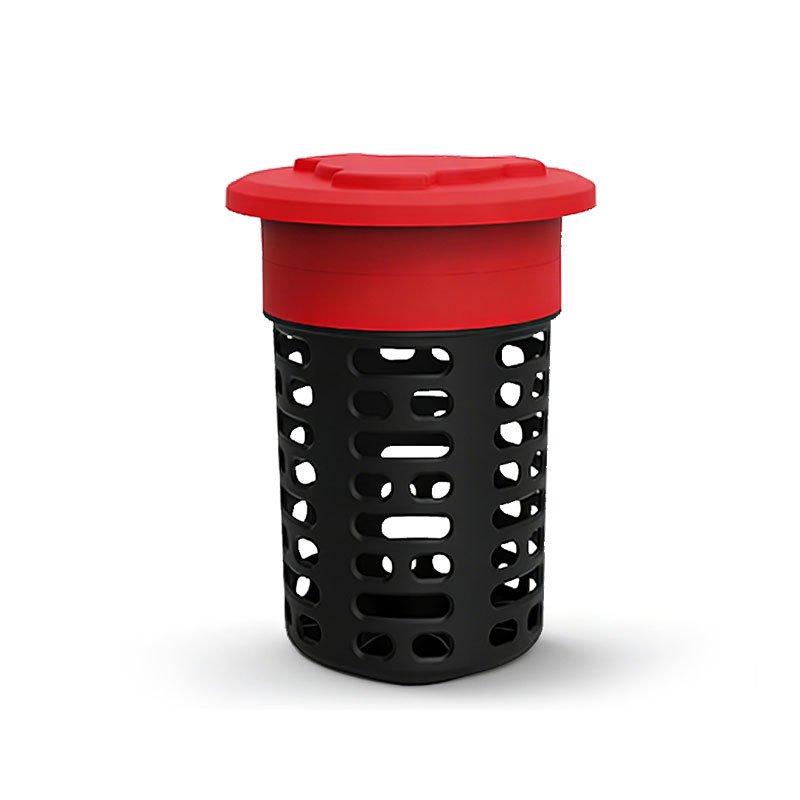
Termite Baiting Systems is a device specifically designed to be buried in the soil for real-time monitoring of termite activity. It features corrosion resistance, adapts to various soil environments, enables early warning and precise monitoring, and assists pest control personnel in taking timely preventive measures through data recording and remote monitoring functions.
Termite Baiting Systems is a specialized device buried in the soil around buildings or at the base of trees. Its core design objective is to achieve early detection and continuous monitoring of underground termite populations, thereby transforming traditional periodic manual inspections or post-infestation eradication into a data-driven, proactive early warning and precise control model.
The device typically consists of a corrosion-resistant casing, internal attractant materials (mostly wood or cellulose-based bait), a sensor module, and a data transmission unit. Its working principle is to simulate an environment suitable for termite foraging. When active termite colonies forage in the soil and enter the device, they trigger the built-in sensing mechanism. Advanced monitoring equipment can instantly detect termite feeding activity or physical presence and convert this event into an electronic signal.
The device's corrosion resistance is fundamental to its long-term reliable operation. Due to being buried in damp, complex soil for extended periods, it may face acidic, alkaline, or saline environments. Therefore, the casing is usually made of inert materials such as engineering plastics or stainless steel. This design ensures that the device's structural integrity and functional stability are not affected by soil erosion during its several-year monitoring cycle.
The core function lies in real-time monitoring and early warning. Once termites enter the device, the system can immediately send alarm information to the management platform via wired or wireless methods (such as LoRa, NB-IoT). This allows pest control personnel to know the location and intensity of termite activity before they cause substantial damage, or even before they reach the building itself, achieving true early warning.
In addition, the device has data recording and analysis capabilities. It can continuously record the time and duration of intrusion events, and even auxiliary data such as environmental temperature and humidity. This historical data is compiled and analyzed through a remote monitoring platform, helping professionals determine the activity patterns and diffusion trends of termite colonies, as well as the effectiveness of control measures, providing a basis for developing scientific control strategies.
This device is widely used in the field of termite control. It is primarily deployed in the soil surrounding the exterior of buildings, around the roots of ancient trees in gardens, and in critical areas such as dams and cable lines, forming a concealed monitoring defense line. Its application transforms the passive approach of relying on visual observation or accidental discovery, significantly improving the efficiency and coverage of monitoring highly concealed underground termites.
By deploying this monitoring network, property managers or professional pest control agencies can achieve long-term, systematic monitoring of protected assets. It not only helps to promptly detect new signs of termite infestation but also continuously monitors whether the colony has been eradicated after bait treatment, evaluating the long-term effectiveness of the control measures.
Termite Baiting Systems, by combining physical attraction, sensing technology, and the Internet of Things, provides an intelligent and precise tool for termite control, effectively enhancing the foresight and scientific basis of control efforts. It is an important technological means for protecting the safety of buildings and forest assets.
This paper addresses:https://www.fengtusz.com/technical/936.html