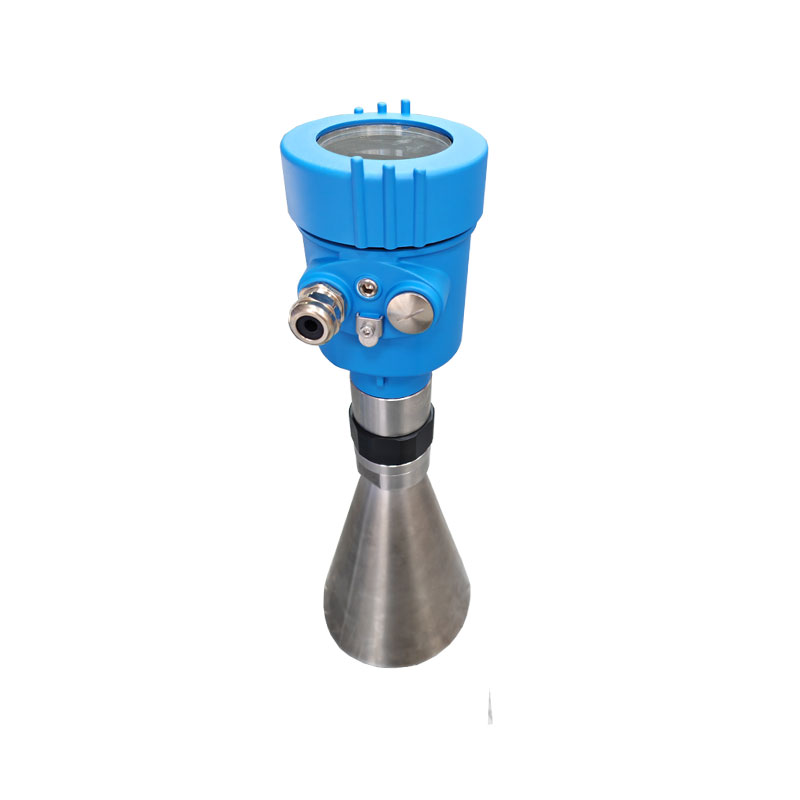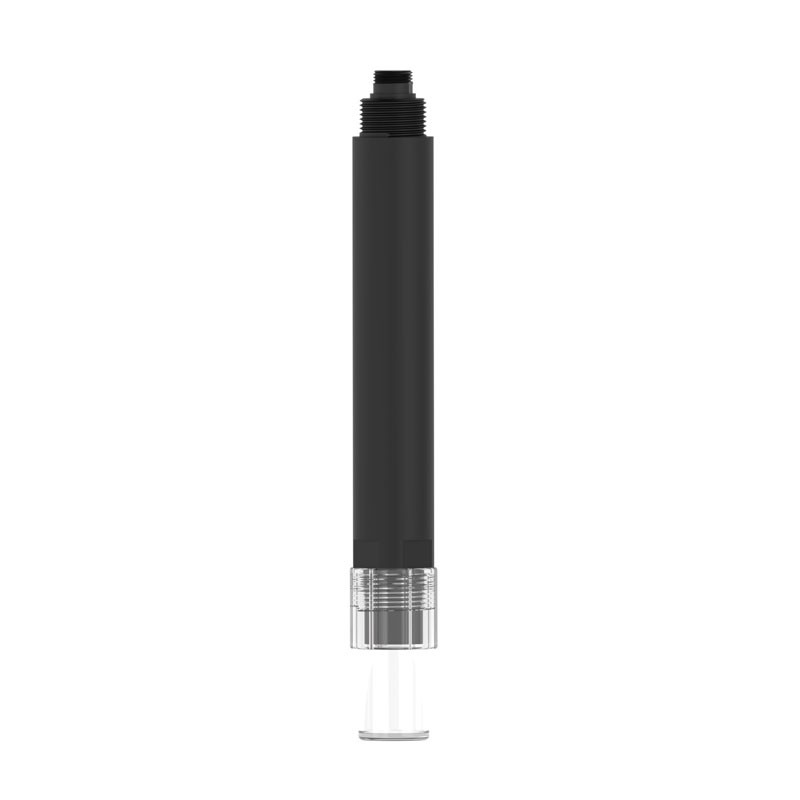
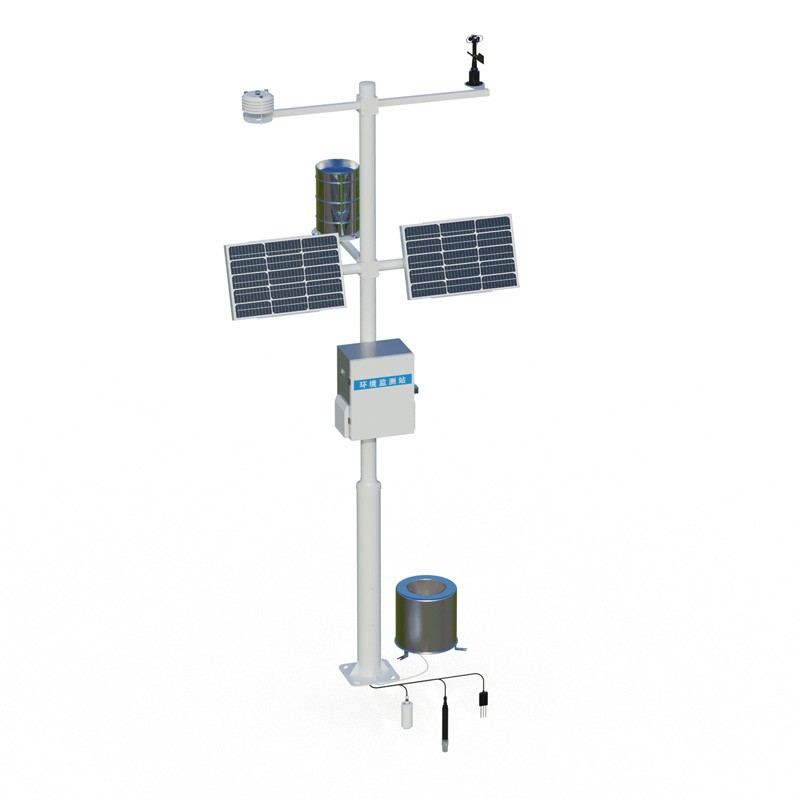
Agricultural weather stations are high-precision observation systems designed for environmental monitoring in localized agricultural areas. They consist of sensors, a data logger, a solar power supply system, a mounting mast, and a cloud-based platform. The system utilizes a low-power data logger—with a static power consumption of less than 1mA—that supports 4G connectivity and the expansion of Modbus485-based sensors. It enables real-time, online monitoring of parameters such as temperature, humidity, light intensity, carbon dioxide levels, rainfall, soil moisture and temperature, as well as wind speed and direction. Furthermore, the system can send SMS alerts to designated mobile phones if monitored values exceed preset thresholds.
In field-based agricultural environments, where power access and installation conditions are often constrained, the equipment must be capable of long-term operation without relying on the electrical grid. The agricultural weather station employs a solar power system integrated with Maximum Power Point Tracking (MPPT) for efficient charging, ensuring the equipment remains operational even during extended periods of overcast or rainy weather. The three-meter carbon steel mast features a two-section threaded connection, eliminating the need for complex on-site assembly and allowing for rapid deployment. The stainless steel protective enclosure is corrosion-resistant, oxidation-resistant, and rated IP66 for water resistance—making it well-suited for the high-humidity, dusty conditions typical of farmland.
For data acquisition and transmission, the logger comes equipped with 4G connectivity and supports optional Bluetooth or wired transmission, allowing for flexible configuration based on local signal conditions. A 7-inch Android touchscreen, powered by a quad-core Cortex™-A7 processor with 512MB of RAM and 4GB of storage, enables users to conveniently view real-time data and device status on-site. The support for the Modbus485 protocol allows users to add additional sensors—such as those for soil parameters or solar radiation—without needing to replace the entire data acquisition system. When monitored values exceed preset thresholds, the system automatically sends an SMS alert to designated mobile phones, ensuring that farm managers are notified of anomalies without the need for constant, manual monitoring of the platform.
Agricultural weather stations are utilized across a wide range of sectors, including meteorology, agriculture, forestry, and scientific research. Within a localized agricultural area, equipment continuously records parameters directly related to crop growth—such as photosynthetically active radiation, sunshine duration, and carbon dioxide concentration—with data aggregated via a cloud platform for subsequent tracking and analysis. A design that requires no calibration and allows for rapid deployment lowers the technical barriers to field installation, enabling monitoring points to be flexibly relocated based on farming schedules or research requirements. This provides essential data support for microclimate observation and agricultural decision-making.
This paper addresses:https://www.fengtusz.com/industry/1111.html