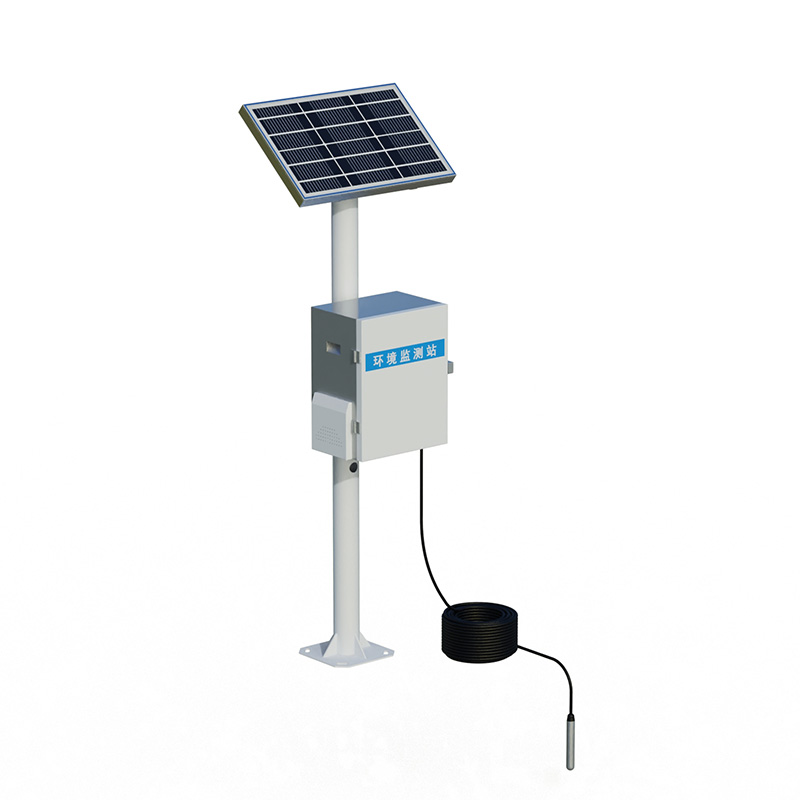
Groundwater level monitoring measures water levels based on the principle of hydrostatic pressure, utilizing a diffused silicon piezoresistive sensor probe. The device features an integrated molded structure and a triple-layer lightning protection system; signal transmission is facilitated by a high-tensile steel-reinforced cable, ensuring the stable, real-time output of data within deep-well environments. The probe's submersible design simplifies the installation process, while its corrosion-resistant stainless steel construction and IP68 protection rating make it suitable for a wide range of applications, including groundwater monitoring, mining operations, and geothermal wells.
Groundwater level monitoring is an automated water-level measurement device operating on the principle of hydrostatic pressure; its core sensing element is a diffused silicon piezoresistive pressure sensor. When the sensor probe is positioned at a specific measurement point underwater, it detects the hydrostatic pressure exerted by the water column situated above that point. By leveraging the direct proportionality between pressure and water depth, the device calculates the liquid level height; this value is then combined with the elevation of the measurement point to yield comprehensive water-level data (specifically, the vertical distance from the water surface to the wellhead). This direct measurement method outputs the actual height of the water column above the probe, making it ideally suited for vertical monitoring scenarios such as deep groundwater wells, mine shafts, and geothermal wells.
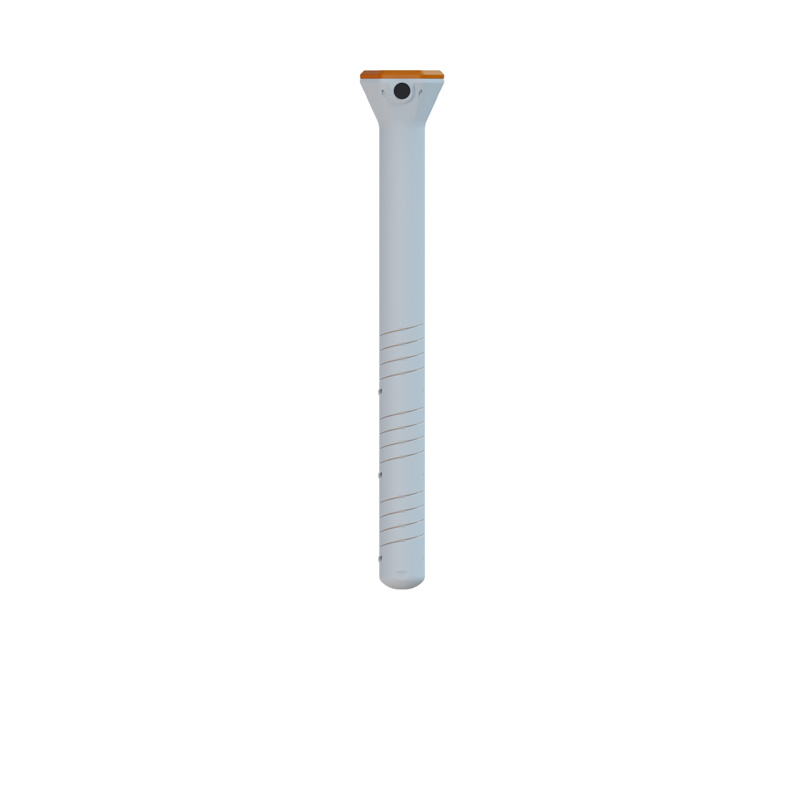
In terms of structural design, Groundwater level monitoring employs an integrated molding process for the sensor chip assembly. This technique physically eliminates potential weak points in the sealing structure, thereby significantly reducing the risk of water ingress. The device is equipped with a triple-layer lightning protection system, ensuring the stable operation of its electronic components even in regions prone to thunderstorms. The signal transmission cable features a high-tensile, steel-reinforced design; the internal steel wire structure enables the cable to withstand its own weight—as well as the tensile loads encountered during installation—when deployed over long distances in deep wells, thereby preventing equipment loss caused by cable breakage. The standard cable length can be customized to suit specific well depths, with measurement ranges spanning from 100 to 400 meters to accommodate the monitoring requirements of most deep-well applications.
To address the challenges of corrosion and protection inherent in underwater operating environments, the device's probe housing is constructed from corrosion-resistant stainless steel. This material allows the probe to remain submerged for extended periods—in freshwater, wastewater, or geothermal water environments—without succumbing to corrosion or structural perforation. Furthermore, the device boasts an IP68 protection rating, enabling it to withstand the high hydrostatic pressures found in deep wells while maintaining the internal circuitry in a completely dry state. The tip of the probe features a sloped fluid-guide port design; this configuration ensures smooth transmission of water pressure while simultaneously preventing silt or particulate impurities from entering the sensor's interior, thereby avoiding measurement drift caused by blockages in the pressure-sensing channel. The device utilizes a high-quality air-guide cable containing an internal air tube that maintains a connection between the sensor's back pressure and atmospheric pressure, automatically compensating for the impact of atmospheric pressure fluctuations on measurement readings.
In terms of system reliability, the Groundwater level monitoring integrates reverse polarity protection as well as transient overcurrent and overvoltage protection circuits, fully complying with EMI protection requirements. It employs a core automatic correction algorithm to process sampled data, effectively filtering out numerical fluctuations caused by water surface ripples or water flow surges to deliver stable readings. The sampling frequency reaches 2,400 samples per second, with a long-term stability of ±0.2% FS per year. The RS485 signal output interface supports a communication range of up to 2,000 meters, allowing for seamless integration with remote data acquisition terminals or IoT platforms to enable continuous, 24-hour online monitoring.
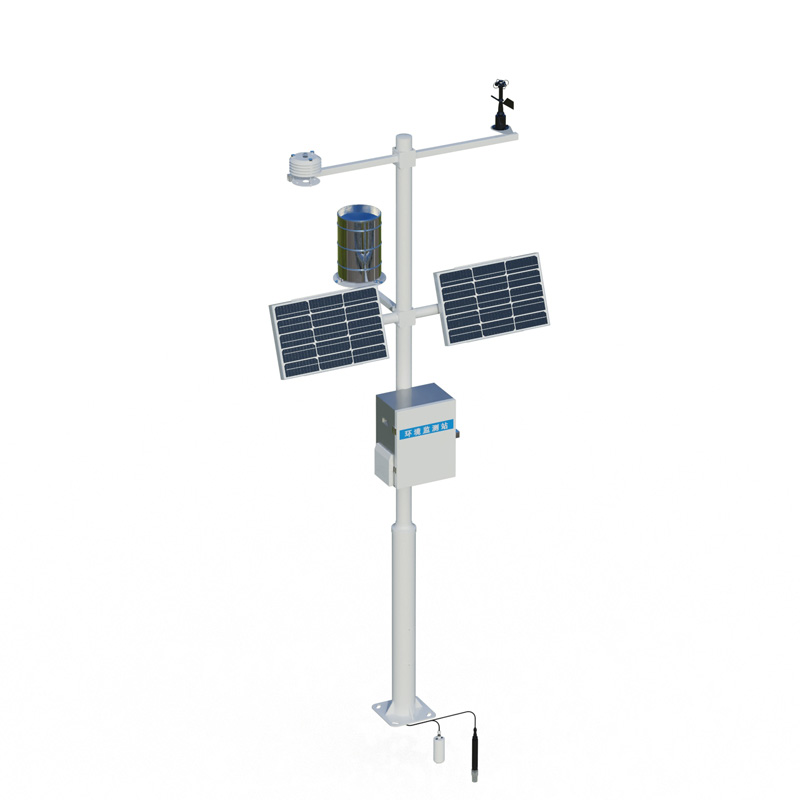
Regarding application versatility, the Groundwater level monitoring can be deployed in a wide range of environments, including rivers, lakes, reservoirs, groundwater wells, deep mine shafts, geothermal wells, urban stormwater and sewage networks, and industrial storage tanks. The power supply system supports two modes: solar power and mains electricity input. The integrated solar panel design embedded within the top cover—combined with an MPPT (Maximum Power Point Tracking) charge controller—boosts charging efficiency by 20%, ensuring long-term operational capability in environments where mains electricity is unavailable. Furthermore, should the water level exceed a preset threshold, the system can dispatch alert notifications via SMS to designated mobile phones, thereby enabling real-time early warning capabilities in unmanned or remote monitoring scenarios.
This paper addresses:https://www.fengtusz.com/company/961.html