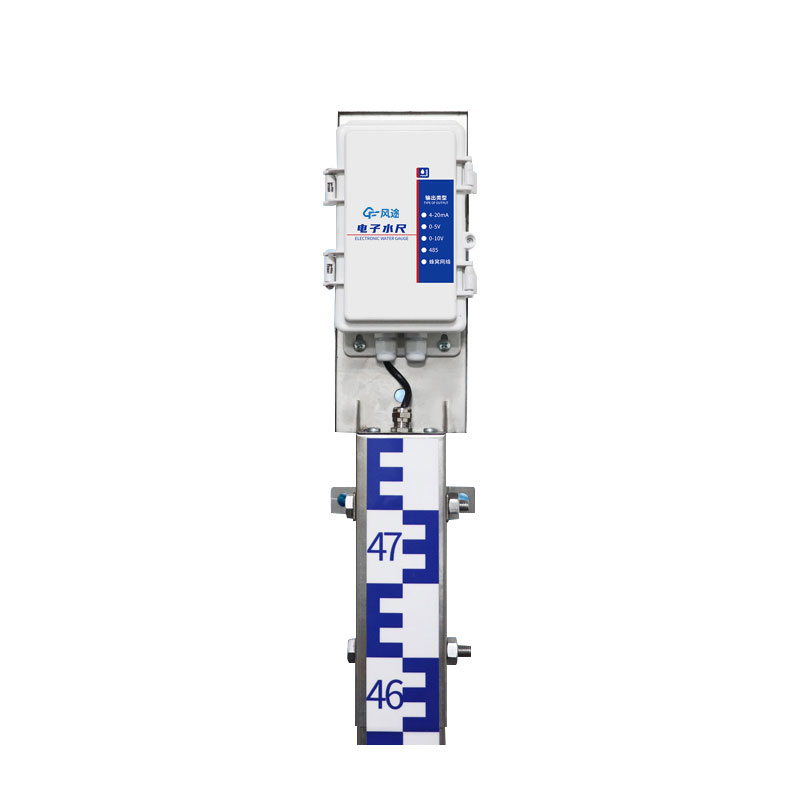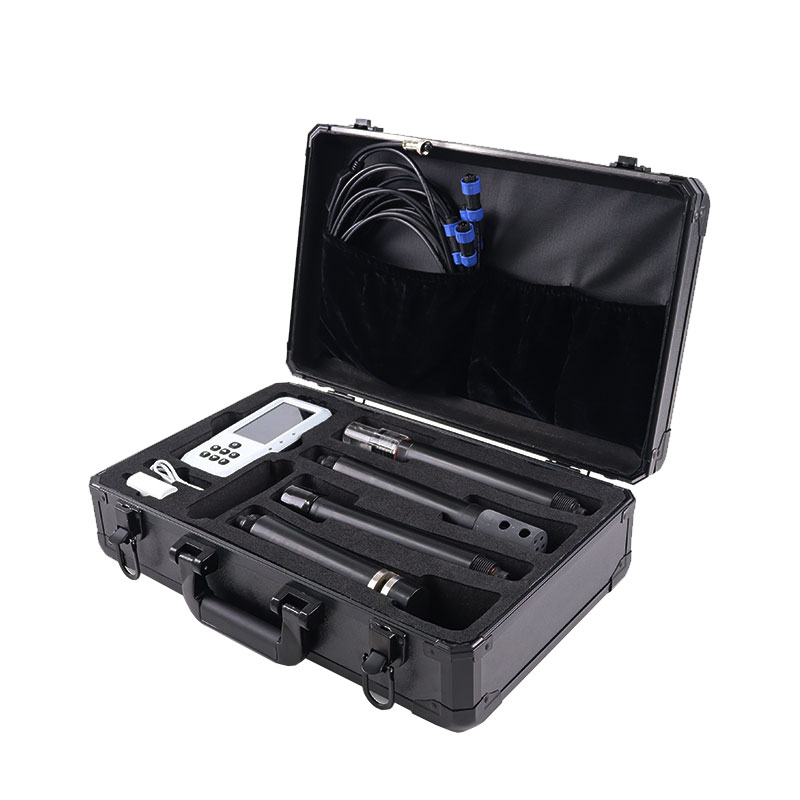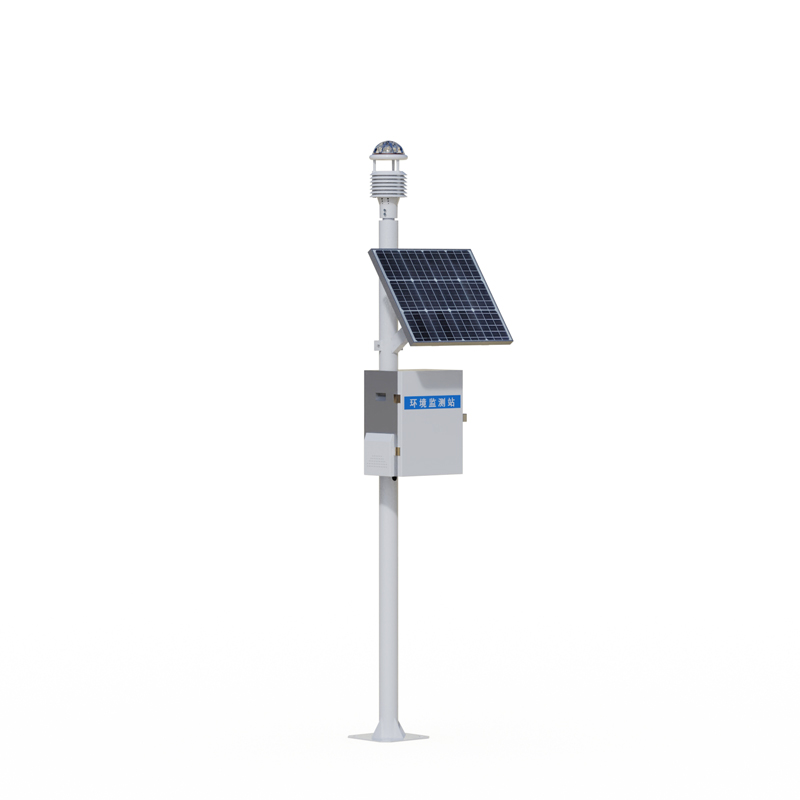
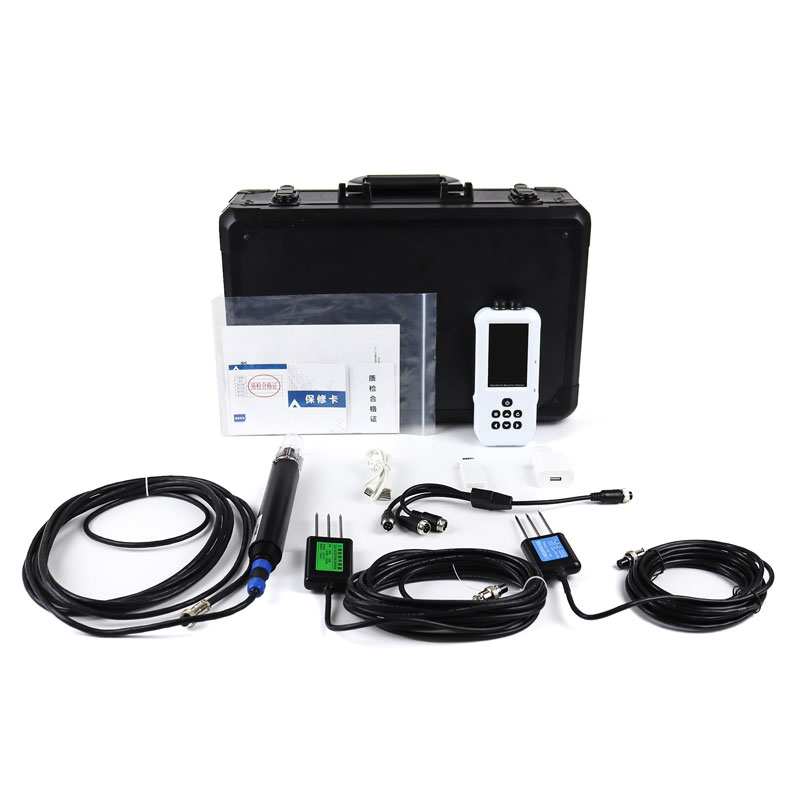
This soil monitoring equipment features an integrated structural design capable of rapidly measuring various parameters—including moisture content, temperature, electrical conductivity, salinity, pH, nitrogen, phosphorus, and potassium. Suitable for testing at multiple locations and varying depths, the device supports long-term, continuous monitoring, thereby providing essential data support for soil moisture analysis in agriculture and forestry, as well as for optimizing water-saving irrigation strategies.
The soil monitoring equipment is a highly integrated, multi-functional environmental monitoring instrument capable of performing both rapid spot checks and long-term continuous surveillance of soil conditions at various depths. Adopting an integrated structural design, the device consolidates multiple sensor modules into a single compact unit, allowing users to complete the collection of numerous soil parameters without the need to carry multiple separate instruments. The device's measurement range encompasses key indicators such as soil moisture content, temperature, electrical conductivity, salinity, pH value, nitrogen, phosphorus, and potassium, thereby providing a comprehensive reflection of the soil's physicochemical properties.
During the actual measurement process, the equipment's sensor probe is inserted directly into the soil; the system then automatically reads the values for each parameter and displays them on the screen. Soil moisture content and temperature serve as fundamental indicators for assessing soil moisture status; moisture content reflects the soil's water storage capacity, while temperature influences microbial activity and crop root growth. Electrical conductivity and salinity levels indicate the concentration of soluble salt ions within the soil—data points of significant reference value for assessing the degree of soil salinization. The pH value is used to determine the soil's acidity or alkalinity; since different crop types have specific tolerance ranges regarding soil pH, this data assists users in determining whether soil amendments are required. Nitrogen, phosphorus, and potassium constitute the three primary nutrients essential for crop growth; the data provided by the device regarding the levels of these elements serves as a direct basis for formulating effective fertilization plans.
The operation of the soil monitoring equipment is relatively straightforward. Once a testing site has been selected, the user simply inserts the probe into the soil at the desired depth and waits a few seconds to read the real-time data for all parameters. If information regarding soil conditions at different depths is required, the probe can be inserted sequentially into various soil layers, with measurements recorded for each specific depth. In long-term monitoring mode, the device can continuously collect data at a designated monitoring point and upload it via a wireless network to a cloud-based platform, enabling users to access and track data trends at any time via a mobile phone or computer. This combination of immediate spot-checking capabilities and long-term continuous monitoring functionality effectively satisfies two distinct operational requirements: rapid field inspections and sustained environmental tracking.
The soil monitoring equipment holds broad prospects for application across a wide range of industries. In the field of agricultural production, this equipment is utilized for soil moisture monitoring, water-saving irrigation in dryland farming, and precision agriculture management, enabling growers to adjust irrigation volumes and fertilization plans based on actual soil conditions. In forestry and landscape management, the device facilitates the analysis of forest site conditions and the maintenance of landscaped green spaces. Soil and Fertilizer Stations, as well as agricultural extension agencies, employ this equipment to conduct farmland quality surveys and implement soil-testing-based fertilizer recommendations. Furthermore, universities and research institutions utilize the device for experimental instruction and field research investigations in disciplines such as soil science and plant nutrition. By providing a suite of efficient and accurate technical tools for soil quality assessment, this equipment serves as a practical and indispensable support mechanism across a wide range of application scenarios.
This paper addresses:https://www.fengtusz.com/company/979.html