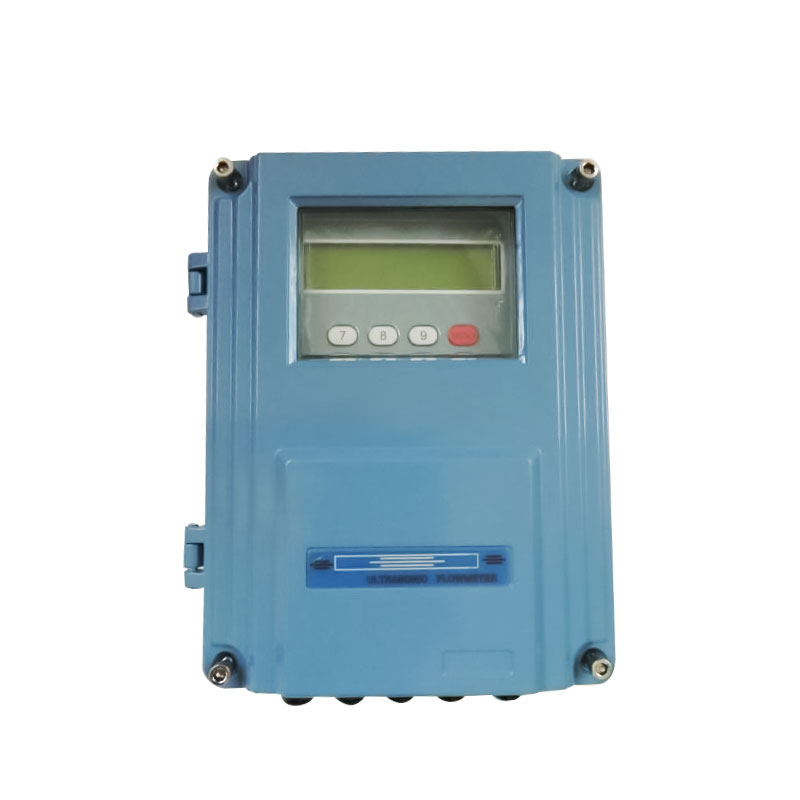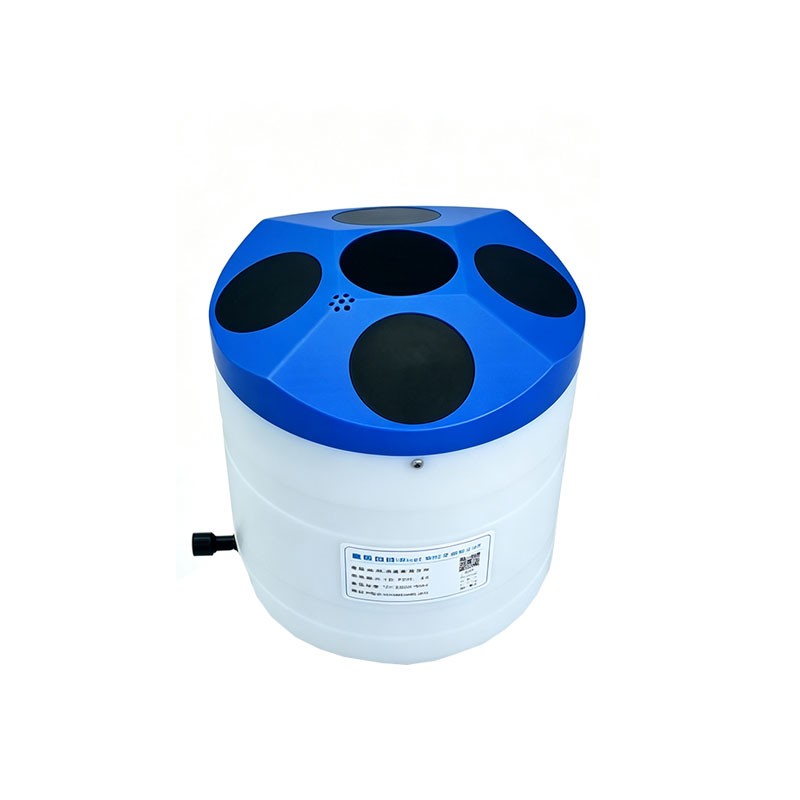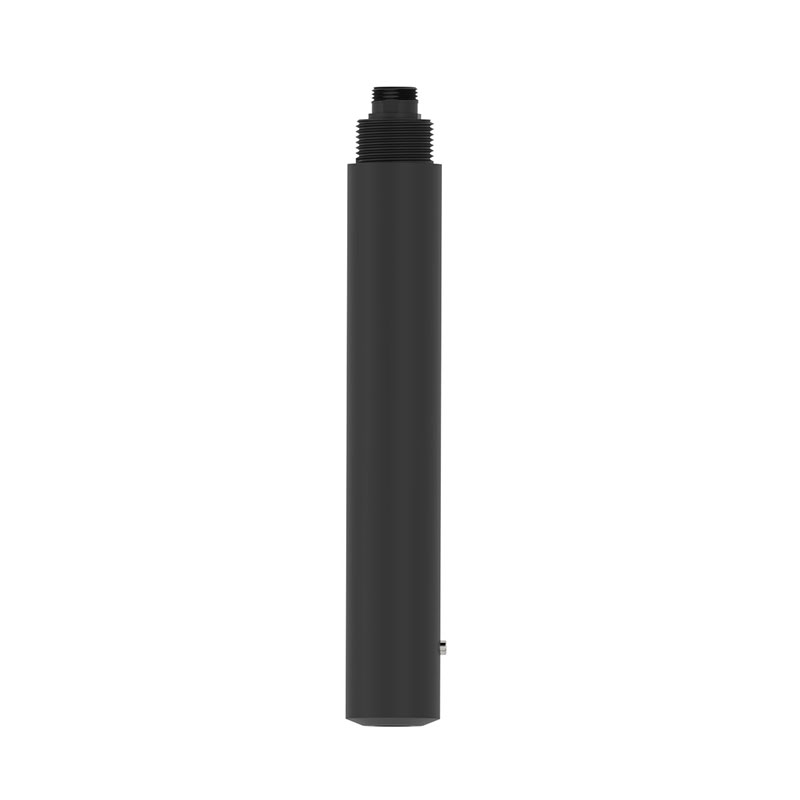
This integrated automatic soil monitoring instrument combines soil moisture, temperature, and conductivity sensors. It measures volumetric water content and temperature, reads soil conductivity values, and transmits data via wired, GPRS, or Bluetooth. The device is low-power, requires no setup, and is suitable for long-term deployment and use in field environments such as agriculture, forestry, and geological research.
Based on the principle of dielectric constant, the equipment collects real-time moisture content data from the topsoil using a metal probe inserted into the soil. These devices primarily monitor three indicators: soil moisture content, soil temperature, and soil conductivity. The moisture sensor calculates volumetric water content by measuring the propagation characteristics of high-frequency electromagnetic waves in the soil, while the temperature sensor corrects for the influence of temperature on measurement errors. Some models also support expanded configuration for meteorological parameters such as soil pH, air temperature and humidity, solar radiation, and rainfall, meeting the needs of comprehensive multi-factor monitoring.
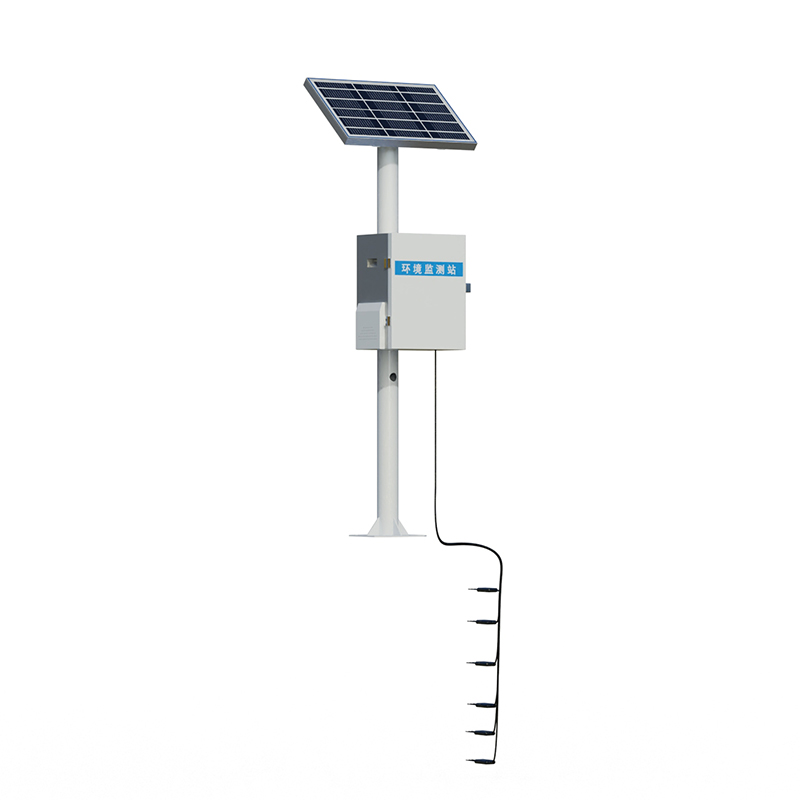
During field use, personnel simply insert the probe into the soil at the specified depth; the equipment automatically completes data collection and storage without manual setup. Data is transmitted to backend management software or a cloud-based agricultural platform via wired serial port, GPRS wireless network, or Bluetooth. The standalone host computer software supports data reception, storage, viewing, exporting tables, and curve analysis. The device has low power consumption and, when paired with a solar power system, can operate continuously in the field for several months.
Soil moisture monitoring equipment has applications in various agricultural scenarios. In field planting, monitoring stations deployed in farmland or orchards can monitor soil moisture distribution at different depths, helping growers understand water storage patterns and water demand periods, and formulate reasonable irrigation plans. In greenhouses, multi-point deployment can monitor soil moisture differences in different areas, enabling precise regional regulation. In desertification control and ecological restoration, law enforcement personnel can use the equipment to track the rate of moisture recovery in degraded land and the relationship between vegetation response, providing a reference for ecological water replenishment strategies. Furthermore, the equipment is also suitable for monitoring saline-alkali land improvement and providing early warning of soil moisture in the early stages of landslides.
This paper addresses:https://www.fengtusz.com/company/982.html