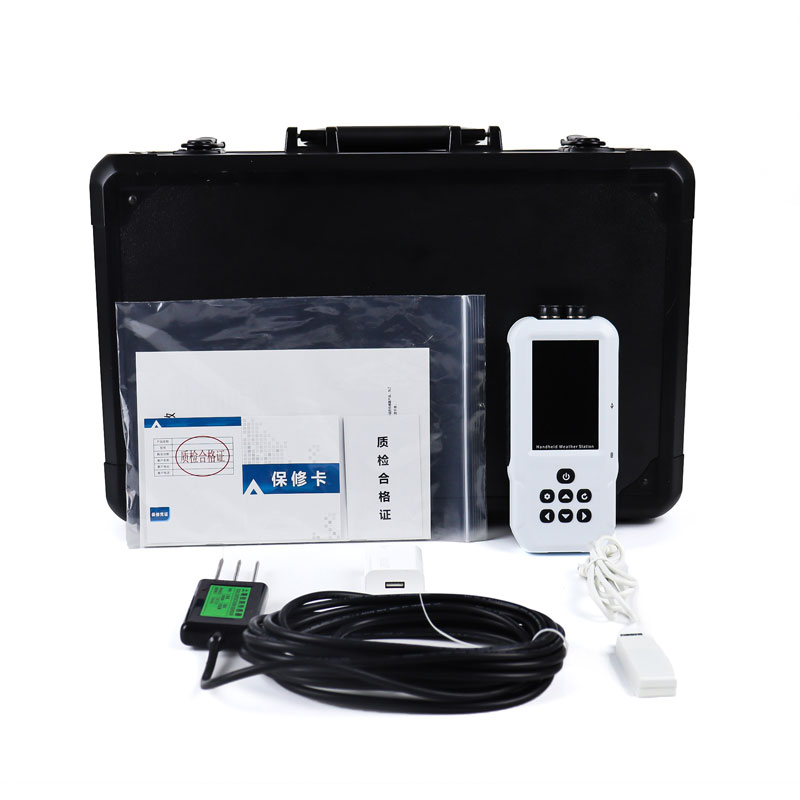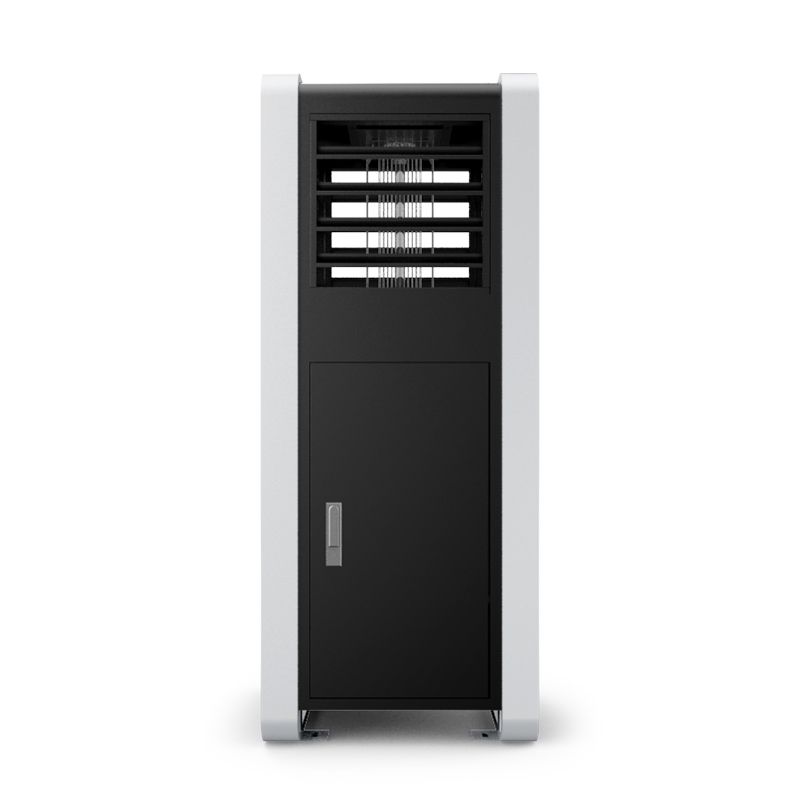
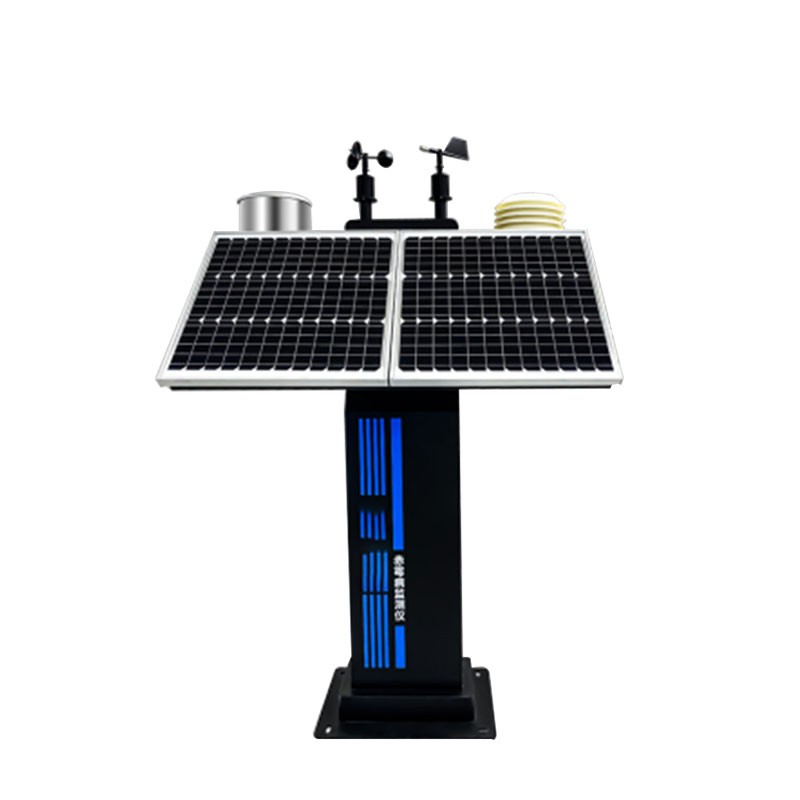
The potato late blight monitoring device collects various environmental data—such as wind speed, rainfall, temperature, and humidity—around the clock. It transmits this data to a cloud platform via 4G and utilizes built-in disease models to automatically analyze late blight infection risks, making it suitable for disease monitoring across diverse agricultural planting scenarios.
Designed specifically for modern agriculture, this device is used for environmental data collection and late blight risk assessment in potato fields. It effectively addresses the shortcomings of traditional manual monitoring—such as low efficiency, poor accuracy, and lack of timeliness—by providing scientific, data-driven support for disease prevention and control. The device continuously monitors key environmental parameters—including wind speed, wind direction, rainfall, air temperature, humidity, and atmospheric pressure—meeting agricultural monitoring standards and accurately capturing microclimate changes in the field.
The device operates autonomously, collecting and displaying data in real-time; all monitoring parameters are presented on a single screen, allowing staff to view field conditions at a glance. It supports customizable settings for parameters such as data collection intervals and server addresses, automatically saves monitoring data, and allows for the export of historical data via a USB interface to facilitate offline review and statistical analysis. Additionally, the device features standardized sensor probes with interchangeable interfaces, ensuring high operational stability and maintaining monitoring accuracy during setup and use.
Regarding data transmission and positioning, the device is equipped with 4G wireless transmission and GPS modules. It uploads monitoring data and location information in real-time and supports breakpoint resumption to prevent data loss caused by network fluctuations. Powered by a solar energy system with exceptional battery life, the device can operate unattended in the field for extended periods, meeting the long-term monitoring needs of various open-field cultivation sites. All collected data is synchronously transmitted to a cloud platform for storage and organization. Leveraging a built-in, specialized data model for potato late blight, the monitoring device automatically performs calculations and disease analysis, autonomously generating curves for late blight infection and field microclimate data. The platform supports various methods for viewing and sharing data, enabling growers and managers to easily access and distribute monitoring information, accurately track disease trends, implement timely control measures, and minimize crop losses; the system is currently widely used in large-scale potato production operations.
This paper addresses:https://www.fengtusz.com/industry/1083.html