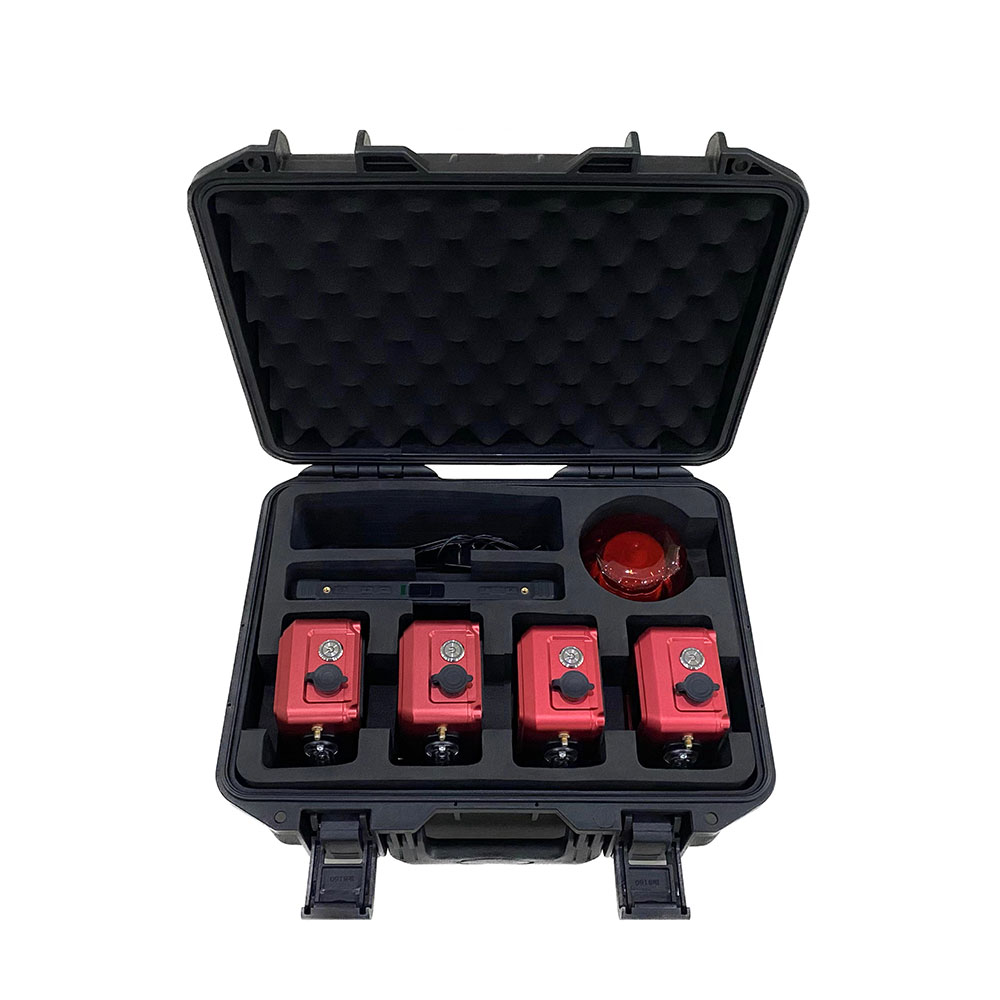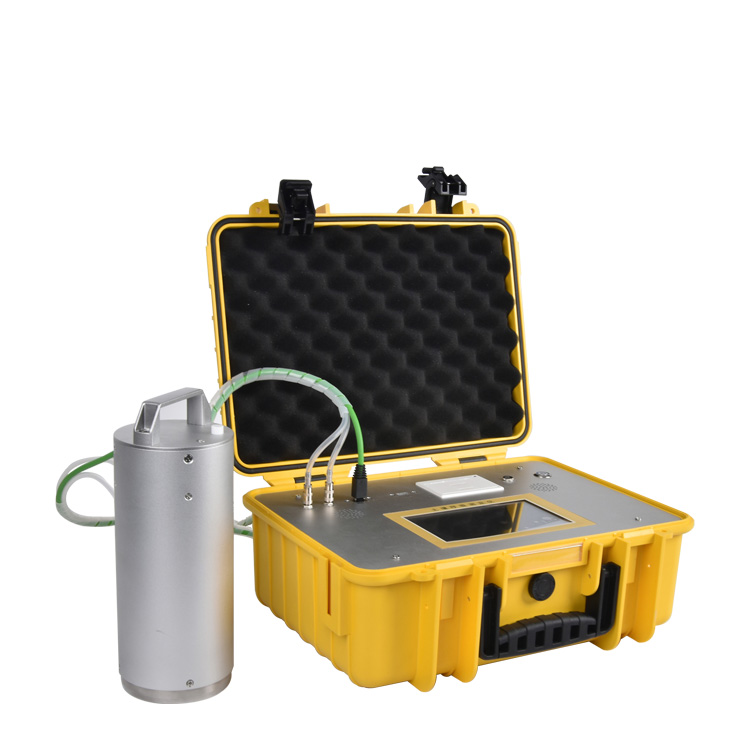
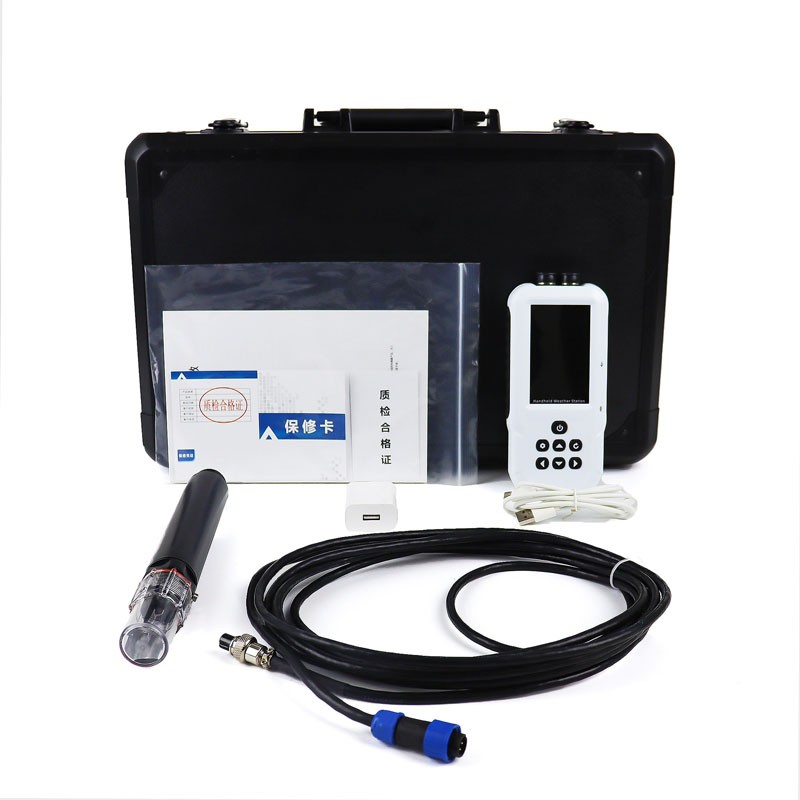
Featuring an integrated design, the Soil pH tester allows for rapid and precise soil pH measurement. It supports real-time sampling at multiple field locations and various soil depths, while also offering a scheduled sampling mode for long-term, continuous monitoring. With built-in data storage and export capabilities, it provides reliable raw data for soil analysis—making it an ideal tool for agriculture, forestry, water resource management, environmental protection, and geological exploration.
The Soil pH tester is compact and highly portable, well-suited for extended field operations. It is simple to operate, requiring minimal training. Once a sensor is connected to the main unit, users can either save readings manually or configure the device to automatically collect and store data at set intervals. The unit features a large, full-color LCD screen that displays real-time pH values, the number of recorded entries, and low-battery alerts, ensuring clear visibility of the device's status. It is equipped with high-capacity storage capable of holding up to 10 million data points; data is retained even in the event of a power loss, ensuring the integrity and security of the monitoring records.
Sensors are automatically identified upon connection to the main unit, and the interfaces are interchangeable, allowing users to customize their sensor configuration based on specific testing requirements. The device supports multi-channel, simultaneous monitoring, enabling multiple sensors to operate at once—an efficient solution for batch measurements across various locations and soil depths. A USB port is provided for exporting collected soil data to a computer; files can be saved in Excel format, with the ability to automatically generate trend curves to facilitate further statistical analysis.
The Soil pH tester can be equipped with an optional 4G connectivity module, enabling the wireless transmission of locally stored data to a cloud-based agricultural platform. This allows managers to remotely view and oversee all monitoring data, facilitating the long-term tracking of soil pH trends. In applications such as precision agriculture, soil moisture monitoring, and water-saving irrigation, the pH data provided by the device can guide soil amendment efforts and fertilizer application adjustments. This helps stabilize the soil environment, supports organized cultivation and ecological management, and contributes to the sustainable use of land resources.
This paper addresses:https://www.fengtusz.com/company/1103.html