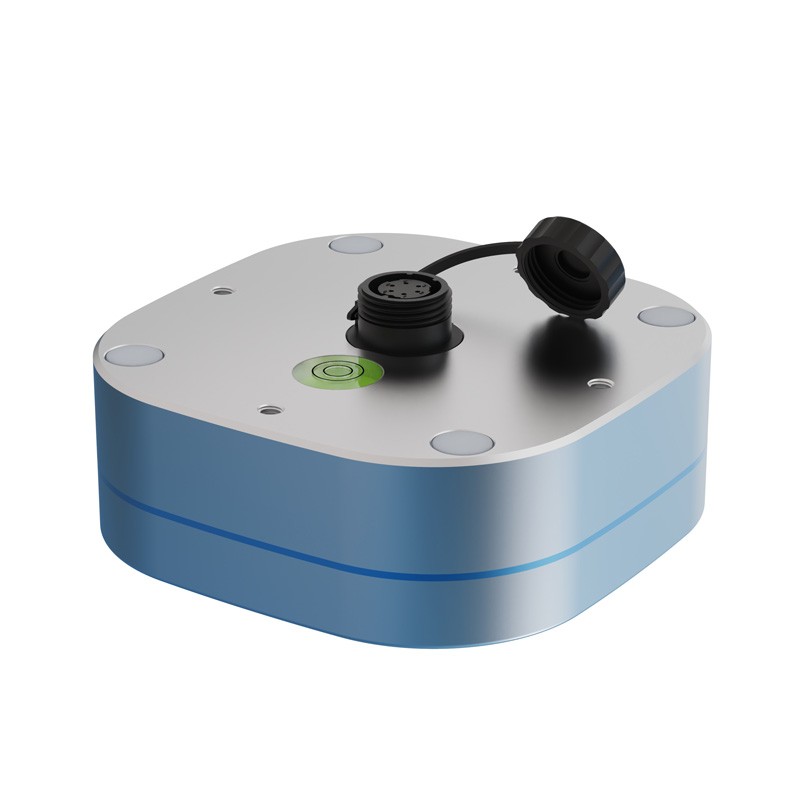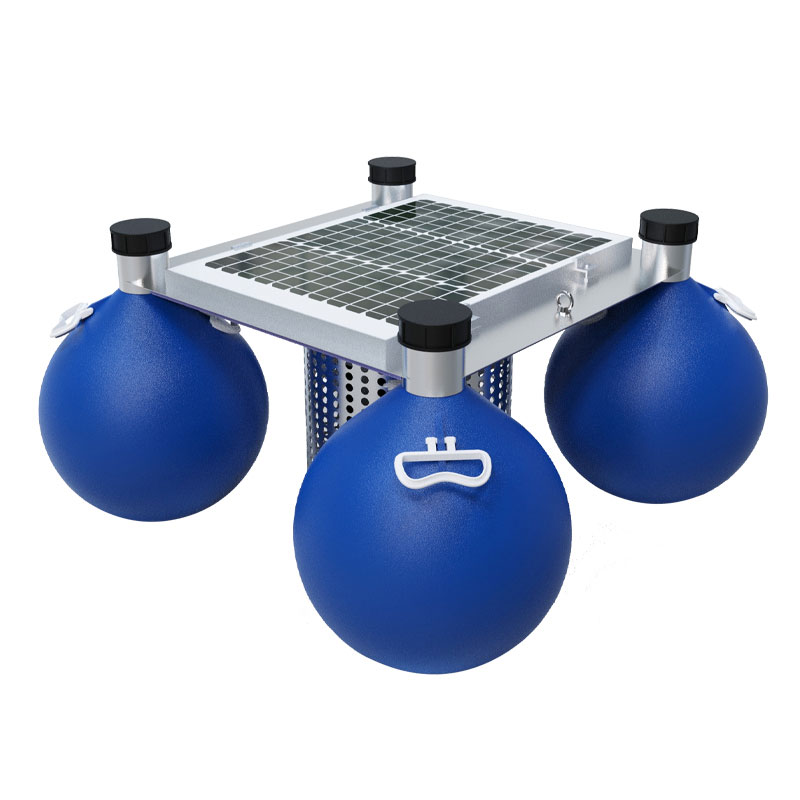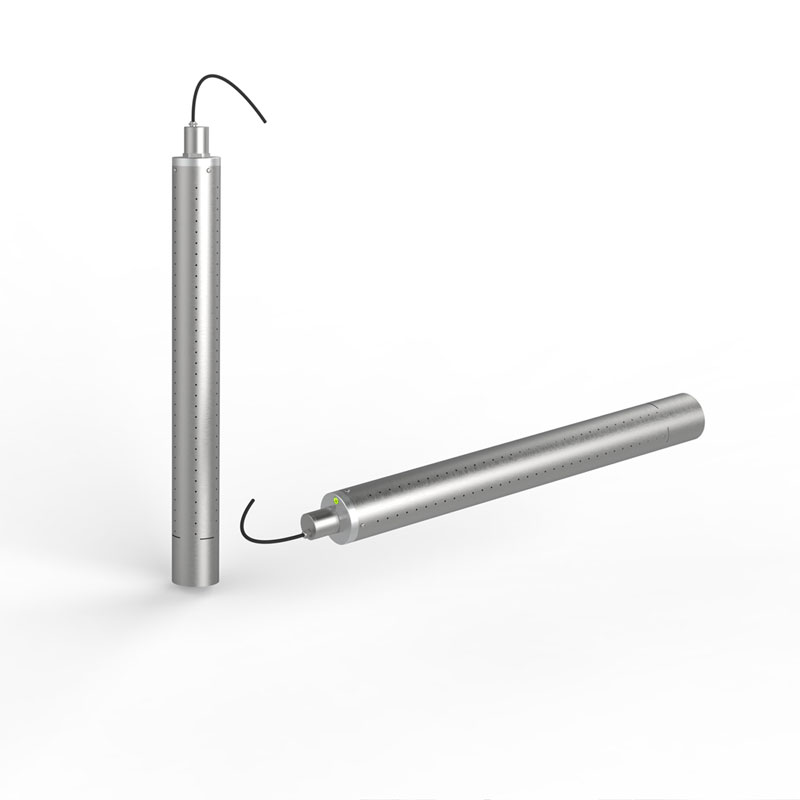
Termite Monitoring System seamlessly integrates baiting technology, sensor detection, wireless communication, and AI recognition into a single unit. Through embedded monitoring devices, the system captures real-time signals of termite activity; these data are then analyzed via a remote platform to automatically trigger an alarm. This technology is widely applied in the fields of water conservancy dams and the preservation of historical architecture.
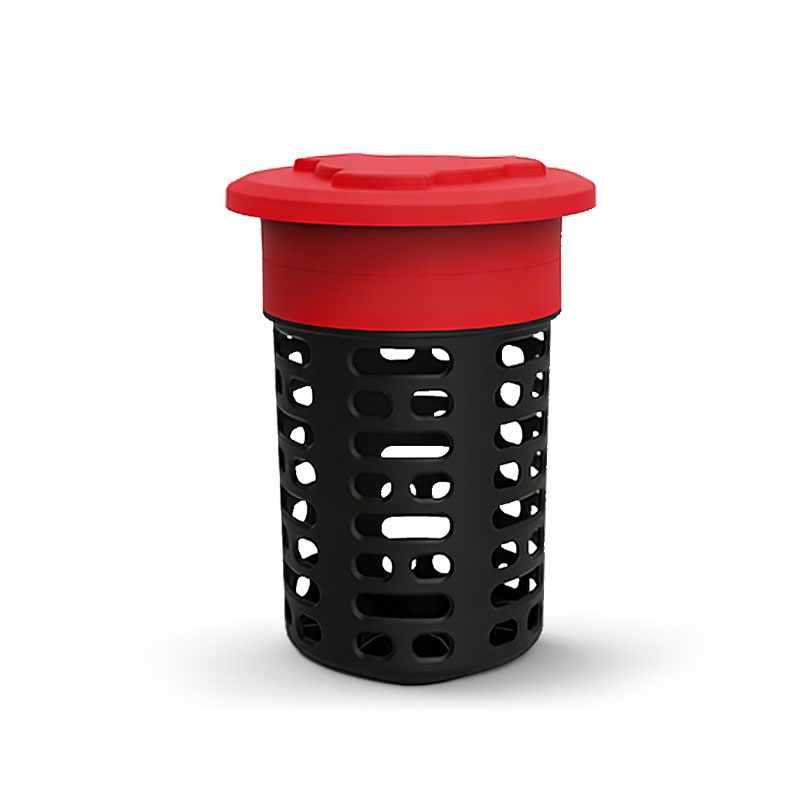
The destructive impact of termites on water conservancy dams, residential buildings, and historical structures is characterized by its insidious nature, long detection cycles, and the inherent difficulty of remediation. Traditional manual inspection methods rely primarily on experiential judgment; consequently, termites are often discovered only after they have already inflicted structural damage—resulting in severely delayed response times and the expenditure of significant human resources. By tightly integrating baiting techniques, sensor detection, wireless communication, and a backend data analysis platform, Termite Monitoring System facilitates a paradigm shift: moving from reactive nest eradication to proactive, early-warning-based prevention and control. The system involves embedding monitoring devices in a grid-like layout at critical points within the area requiring protection. Each device contains bait highly palatable to termites and is equipped with high-sensitivity detection sensors; when termites enter the device to feed, the resulting activity triggers a detectable change in the sensor's readings.
Currently, mainstream versions of Termite Monitoring System feature advanced capabilities for remote early warning and intelligent recognition. The devices incorporate built-in industrial-grade 4G or LoRa wireless communication modules and employ electromagnetic field fluctuation technology to precisely capture signals of termite activity. Once a monitoring device is triggered, the system utilizes the wireless network to upload alarm information to a cloud platform within seconds, simultaneously and automatically marking the exact location of the infestation point on a digital map. Administrators can monitor the real-time status of termite activity at each monitoring point—including states such as "no termites," "termites present," "eradication in progress," and "eradication complete"—via a dedicated mobile app or desktop interface. Furthermore, select systems integrate high-definition camera modules with AI image recognition algorithms; these cameras capture images of the termites entering the device, enabling the system to automatically identify the termite species and assess the severity of the infestation based on morphological characteristics, movement patterns, and population changes, thereby eliminating potential errors associated with manual identification.
In terms of the remediation process, Termite Monitoring System establishes a closed-loop management cycle encompassing "Monitoring – Alerting – Eradication – Re-inspection." When the termite population reaches a preset threshold, the cloud-based platform can remotely issue commands to activate the device's internal spraying mechanism for precise, targeted eradication; alternatively, it can push alert notifications to nearby maintenance personnel, directing them to proceed to the site with the necessary agents to carry out precise application. The monitoring devices within the treated area remain underground to continuously observe for any potential re-infestation by termites, thereby ensuring long-term protection of the target zone. This operational mechanism effectively eliminates the waste of chemical resources and environmental pollution associated with traditional "broad-spectrum" application methods, while simultaneously mitigating the risk of disturbing the monitoring devices caused by frequent manual inspections requiring the opening of the units. Termite Monitoring System has already been successfully deployed across a diverse range of settings—including water conservancy dams, historical structures and cultural heritage sites, residential communities, and landscaped areas—providing both data-driven insights and practical operational tools for the scientific management and control of termites.
This paper addresses:https://www.fengtusz.com/industry/974.html