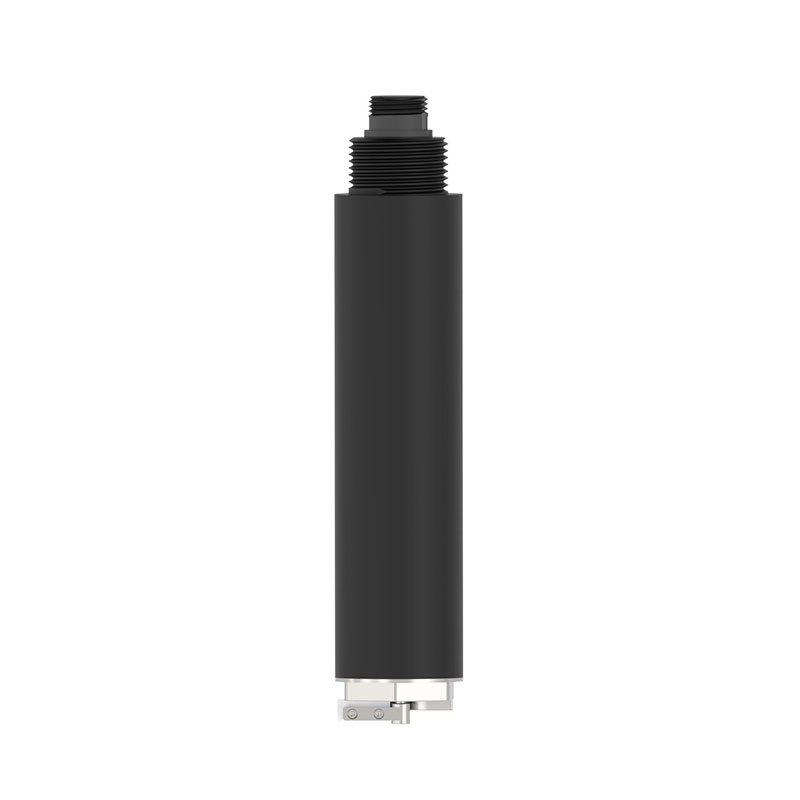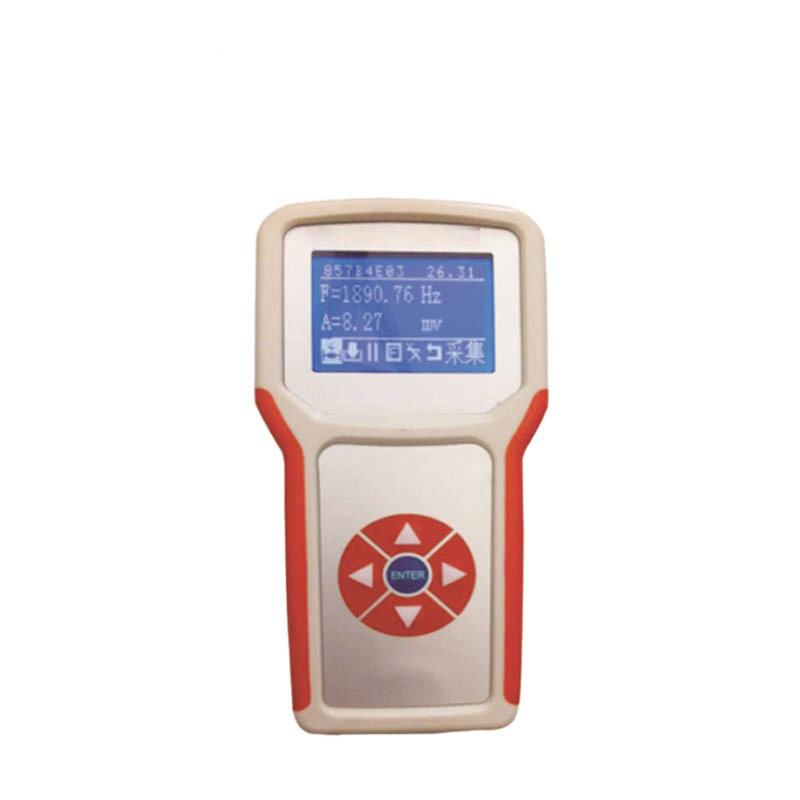
Measuring plant soil moisture primarily involves using sensors to monitor soil water content, temperature, and electrical conductivity. The capacitive method is a commonly used principle, which obtains volumetric water content data by detecting changes in soil dielectric constant, providing a basis for precise irrigation and water management.
Accurate measurement of plant soil moisture is fundamental to implementing precision agriculture and scientific irrigation. The core objective of this process is to obtain data on the actual water content in the soil, i.e., the soil volumetric water content. This data is crucial for determining crop water needs, developing efficient irrigation plans, and protecting soil structure. Modern measurement methods primarily rely on sensors for continuous, automated in-situ monitoring.
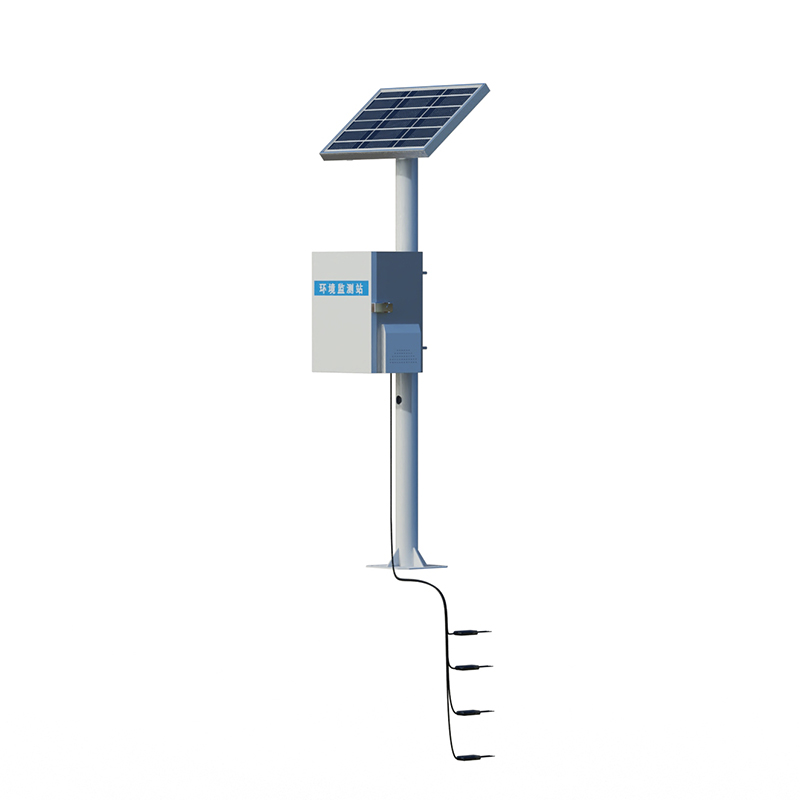
Soil moisture measurement is usually performed simultaneously with soil temperature and electrical conductivity monitoring. These three parameters are interrelated and collectively affect crop growth and water and nutrient absorption. A complete monitoring system consists of sensors buried in the soil, a data logger, and a transmission unit. The sensors are responsible for directly contacting the soil and sensing changes in its physical properties. The moisture sensor measures the soil's volumetric water content, a direct indicator of the percentage of water volume in the total soil volume. The temperature sensor simultaneously measures soil temperature, as temperature changes affect the accuracy of the moisture sensor readings and require compensation and calibration.
The current mainstream measurement method is the capacitive method. This method is based on the principle that the dielectric constant of the soil increases significantly with increasing soil moisture content. The sensor contains electrodes, forming a capacitive structure. When the sensor is inserted into the soil, the soil acts as a dielectric medium, affecting the capacitance value. By measuring the change in this capacitance value, the system can calculate the soil's dielectric constant and then, using an established mathematical model, calculate the soil's volumetric water content. The capacitive method offers good stability, minimizes soil disturbance, and is suitable for long-term monitoring.
Implementing soil moisture measurement requires following clear steps. First, select representative points based on the monitoring objectives, avoiding anomalous areas. During installation, bury the sensor probes at the required depth and direction, ensuring close contact between the probes and the soil to avoid air gaps affecting readings. Connect the sensors to the data logger and perform necessary parameter settings and field calibration. The data logger automatically records data at a set frequency and transmits it to the management platform via wired or wireless means.
Once real-time soil moisture data is obtained, its value lies in guiding practical applications. Farmers or researchers can use dynamic data charts to accurately determine soil moisture depletion and initiate irrigation before the water content drops below the lower limit suitable for crop growth, avoiding water waste or root oxygen deficiency caused by indiscriminate watering. Long-term data accumulation helps analyze water consumption patterns for different crops and soil types, optimizing irrigation systems and achieving the dual goals of water conservation and increased yield, along with soil ecological protection.
This paper addresses:https://www.fengtusz.com/technical/910.html