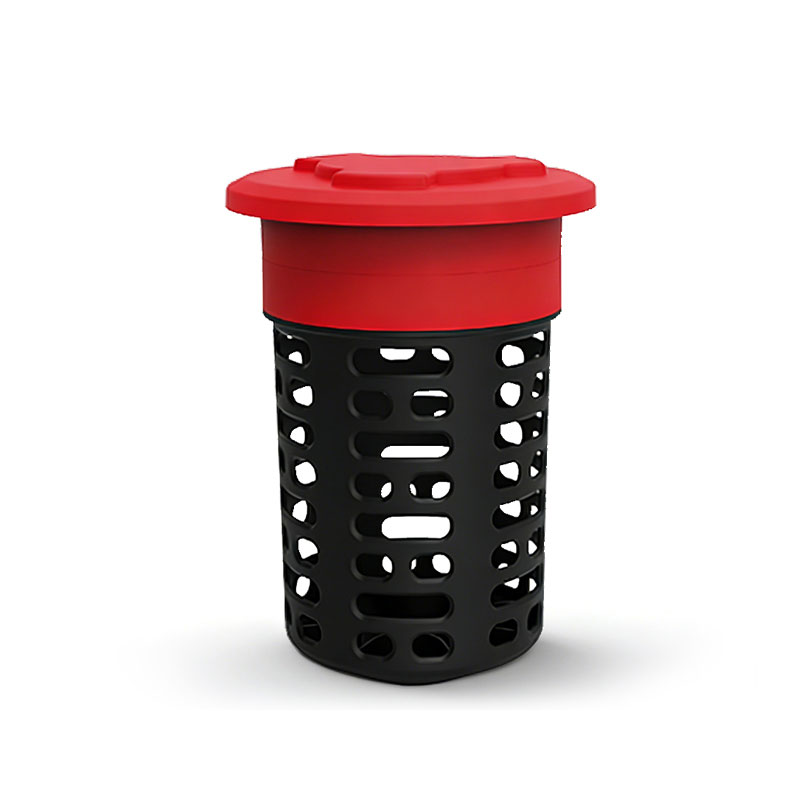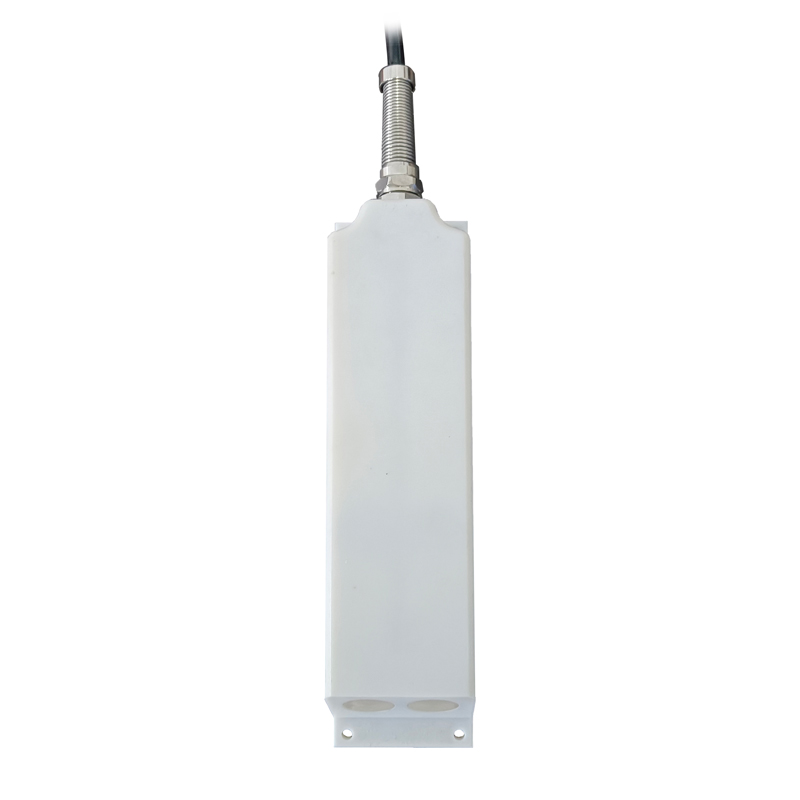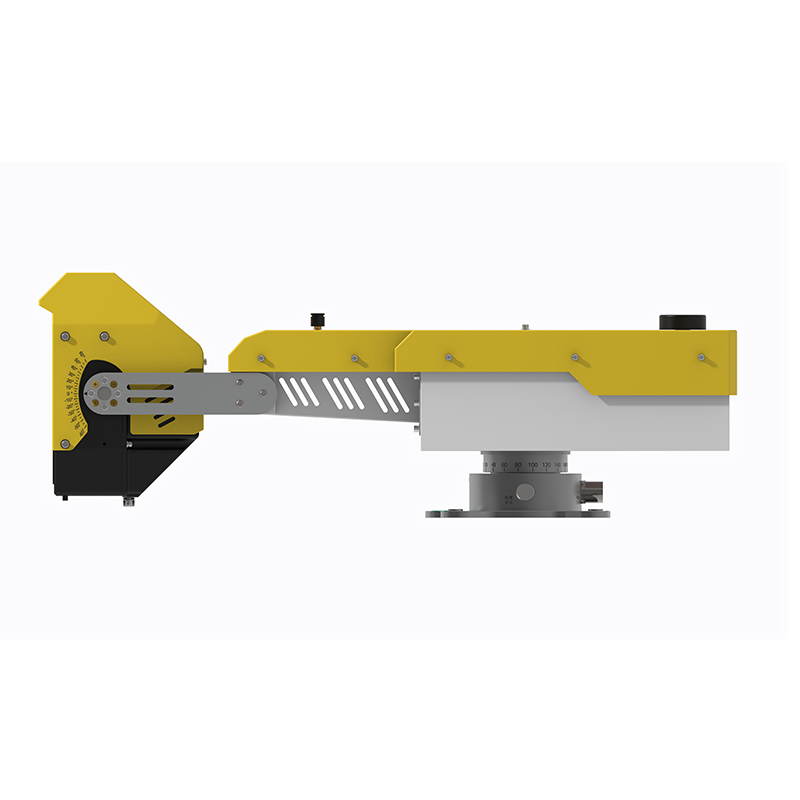
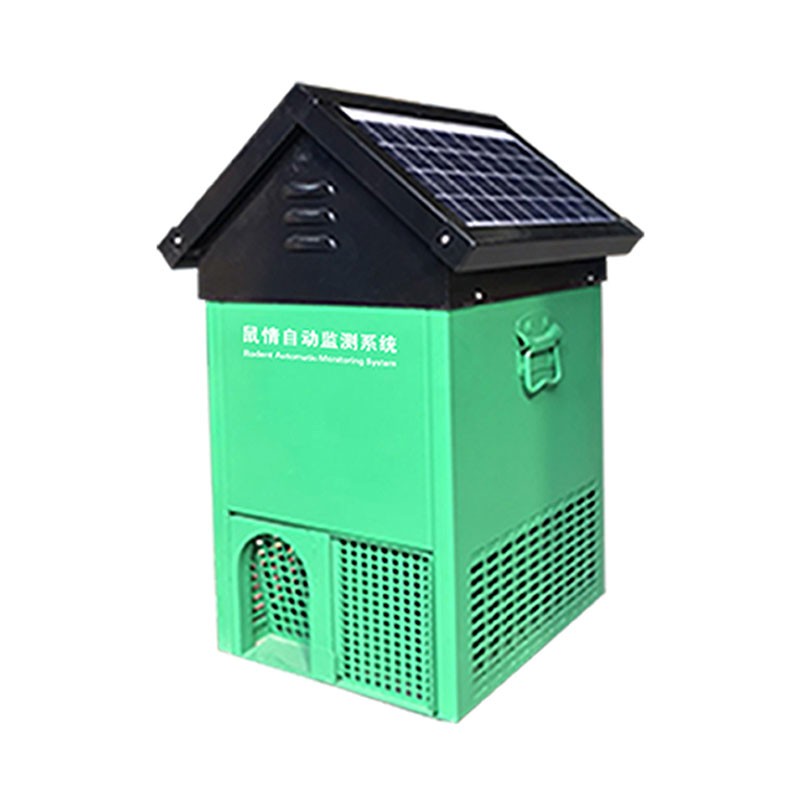
The rodent monitoring device is an intelligent monitoring unit integrating infrared sensing, high-definition photography, and AI image recognition technologies. It features an internal one-way passage design that prevents rodents from escaping once they enter. Upon triggering, the device automatically captures images, uploads them to a server, and identifies the rodent species and count. It is suitable for all-weather, unattended rodent monitoring across agricultural, warehousing, grassland, and urban environments.
This device was developed to address rodent infestation issues in sectors such as agriculture, grain storage, grassland ecology, and urban public health. Traditional monitoring methods—relying on manual trap placement, inspection, and counting—are inefficient and yield fragmented data, making it difficult to continuously track trends in rodent activity. By integrating IoT, AI image recognition, and infrared sensing technologies, this device enables automated data collection, remote transmission, and intelligent analysis, providing a scientific data foundation for rodent control.
Regarding hardware, the device features an internal one-way passage that ensures rodents cannot escape once inside. A built-in HD camera automatically captures images (with a resolution of at least 1920x1080) when a rodent triggers the entrance sensor. These images are uploaded to a server in real-time via a wireless connection; server-side software analyzes the images to automatically identify rodent counts and species, generating rodent density distribution maps and activity pattern reports. Some models are equipped with weight sensors to simultaneously record rodent body weight, providing data for population structure analysis.
The device supports two types of alerts: GPRS image-based alarms and email notifications. Users can remotely check device status, receive alerts, and adjust monitoring parameters via a mobile app or a cloud-based PC platform. It utilizes a combination of solar panels and rechargeable batteries for energy self-sufficiency. With a standby power consumption of no more than 0.8W and equipped with both a DC 8.4V/800mAh backup lithium battery and a DC 11.1V/10Ah main battery, the device offers a standby time exceeding 168 hours. It supports multiple communication protocols—including 4G, NB-IoT, and LoRa—allowing for flexible selection based on on-site network conditions. In terms of application scenarios, rodent monitoring devices are widely suitable for use in farmlands, grasslands, forest areas, grain warehouses, urban underground utility networks, and airports. In agricultural production, the equipment provides early warnings of rodent infestation risks by monitoring rodent activity in real-time, thereby reducing grain losses. Regarding grassland ecological protection, the devices assist in monitoring and issuing alerts for rodent activity, helping to prevent damage to grassland vegetation caused by rodent overpopulation. The system supports size customization based on user requirements to accommodate the specific characteristics of rodent species found in different crops and regions. Capable of continuous, round-the-clock monitoring, the equipment effectively resolves issues such as data lag and inaccurate density estimation associated with traditional monitoring methods.
This paper addresses:https://www.fengtusz.com/company/1034.html