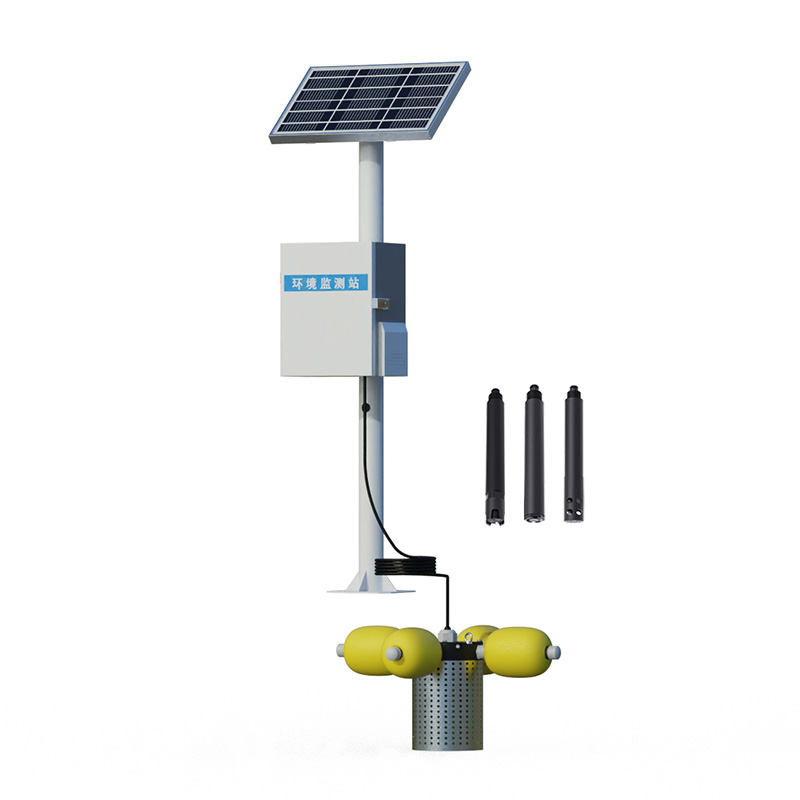
Multi-parameter Water quality monitoring system integrates sensors for water temperature, conductivity, pH, dissolved oxygen, and ammonia nitrogen, enabling real-time monitoring of chemical and physical indicators in water bodies. It is widely used in aquaculture, wastewater treatment, reservoirs, and rivers, providing data support for environmental quality control and pollution early warning.
Multi-parameter Water quality monitoring system is an online analytical device capable of simultaneously measuring multiple chemical and physical indicators in water bodies. This type of instrument typically employs a modular design, integrating sensor probes based on different principles to achieve simultaneous monitoring of key parameters such as water temperature, pH, conductivity, dissolved oxygen, and ammonia nitrogen.
In terms of sensor technology, different parameters correspond to different measurement principles. The pH monitoring module uses a composite glass electrode method, generating a potential difference through a hydrogen ion-selective membrane. Dissolved oxygen sensors are mostly based on the fluorescence quenching principle, utilizing the energy transfer effect when fluorescent substances come into contact with oxygen molecules to calculate dissolved oxygen concentration. Compared to traditional coated electrodes, the fluorescence method does not require electrolyte replacement, has strong anti-interference capabilities, and a fast response speed, typically not exceeding 3 seconds. Conductivity measurement detects the electrical conductivity of water through electrodes, reflecting ion concentration. Ammonia nitrogen monitoring employs ion-selective electrodes or wet chemical analysis modules based on spectrophotometry; some high-precision instruments can achieve detection limits at the 0.1 mg/L level. Water temperature is typically integrated as a fundamental parameter into each sensor for temperature compensation calculations, as a 1°C change in temperature can result in a pH measurement deviation of ±0.03 pH.
Multi-parameter Water quality monitoring system instruments are suitable for various application scenarios. In aquaculture, instruments can be deployed in ponds or recirculating aquaculture systems to monitor dissolved oxygen (suitable range for fish and shrimp is typically above 3 mg/L), pH (suitable range 6.5-8.5), and ammonia nitrogen (preferably below 0.5 mg/L) in real time. If any indicator exceeds a set threshold, the system can automatically trigger aeration equipment or send an alarm to prevent aquaculture losses. In wastewater treatment, monitoring instruments are typically installed at the inlet and outlet of wastewater treatment plants or in key process sections to monitor the concentrations of pollutants such as COD, ammonia nitrogen, and total phosphorus, ensuring that effluent meets discharge standards. In surface water monitoring, monitoring instruments can be deployed at fixed buoys or shore-based stations in reservoirs, rivers, and lakes to monitor eutrophication trends, trace pollution sources, or conduct emergency monitoring for sudden environmental incidents.
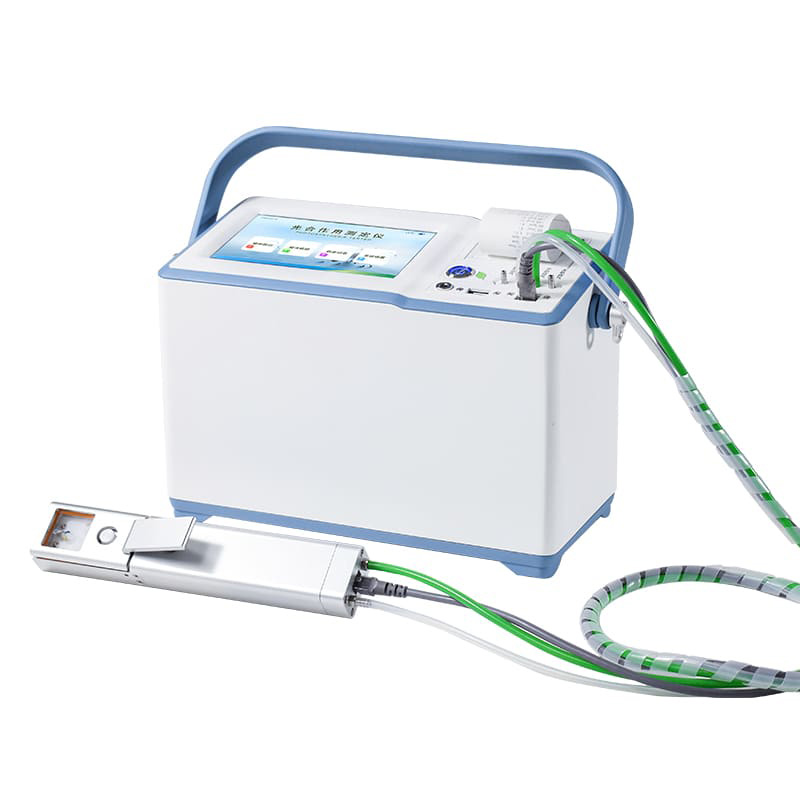
From an equipment form factor perspective, multi-parameter instruments are mainly divided into three categories: online, portable, and benchtop laboratory instruments. Online instruments have an IP65 or higher protection rating, can operate continuously for extended periods, and support data transmission methods such as 4G and RS485, uploading data to the monitoring platform in real time. Portable instruments typically weigh less than 2 kg, have built-in lithium batteries, and are suitable for on-site inspections and temporary monitoring tasks. Benchtop laboratory instruments offer higher analytical accuracy and more parameter expansion capabilities, used for standard quality inspection or scientific research experiments.
Regarding data management and maintenance, modern multi-parameter instruments are generally equipped with an IoT cloud platform, allowing users to view real-time data, historical curves, and trends via computer or mobile phone. The instruments support over-limit alarms, data storage, and report export functions. Routine maintenance mainly includes electrode cleaning, regular calibration, and sensor replacement. For electrochemical sensors, it is generally recommended to clean the probe monthly and perform professional calibration every six months to one year to ensure long-term data accuracy.
This paper addresses:https://www.fengtusz.com/company/943.html