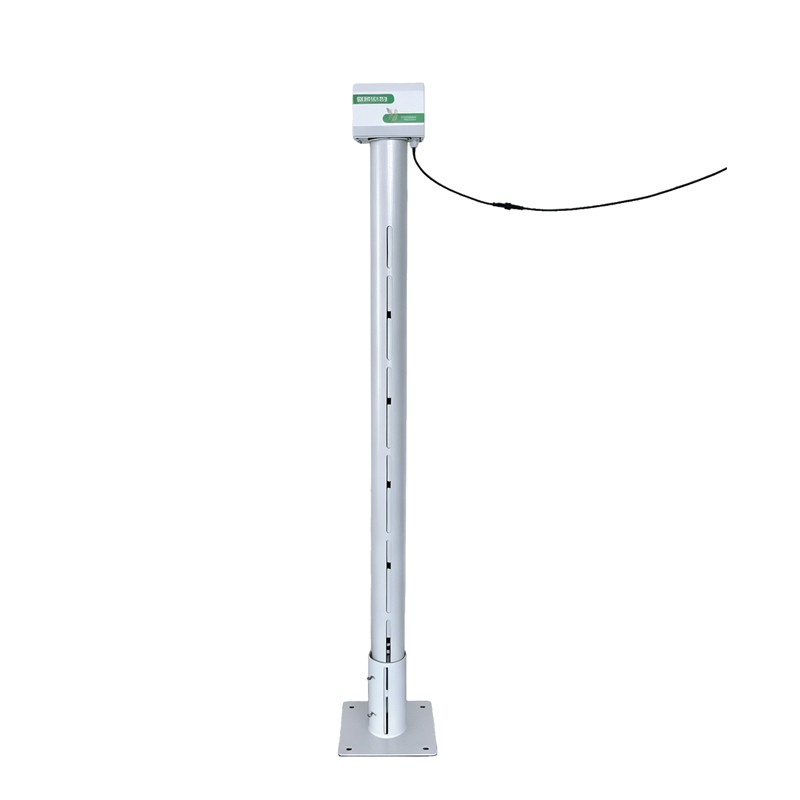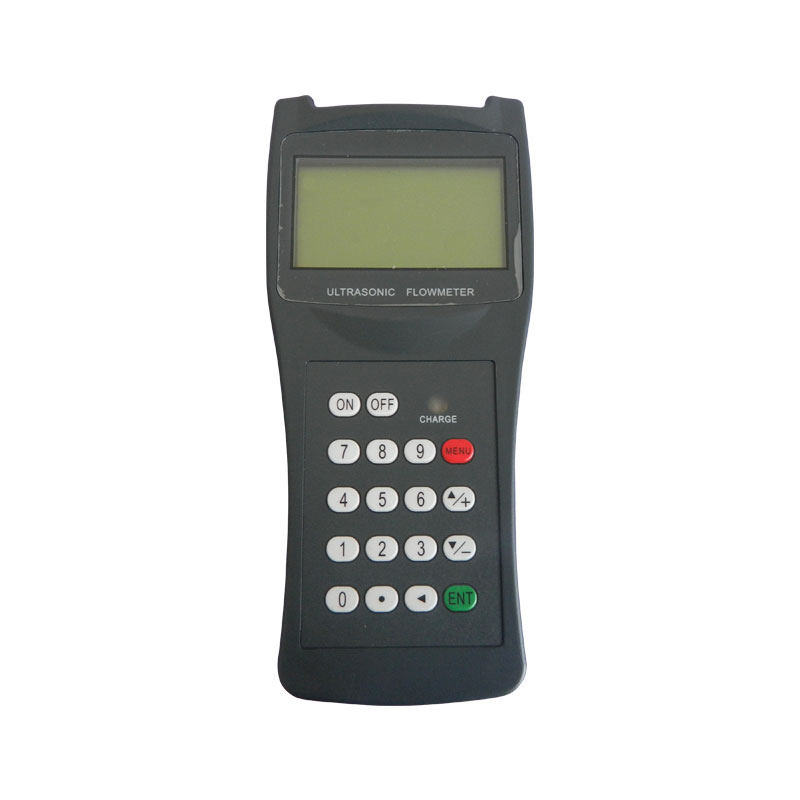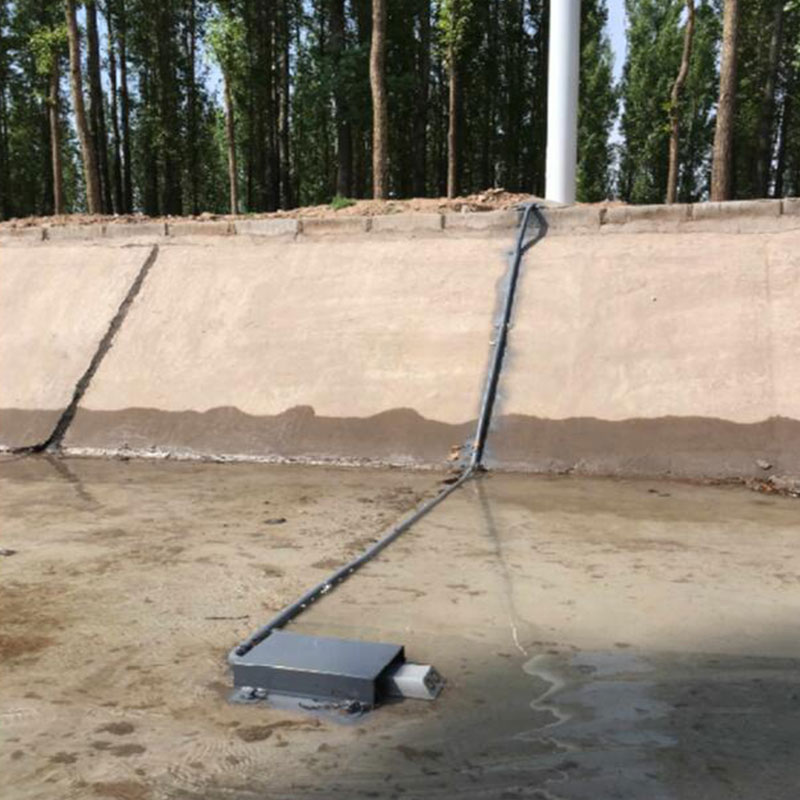
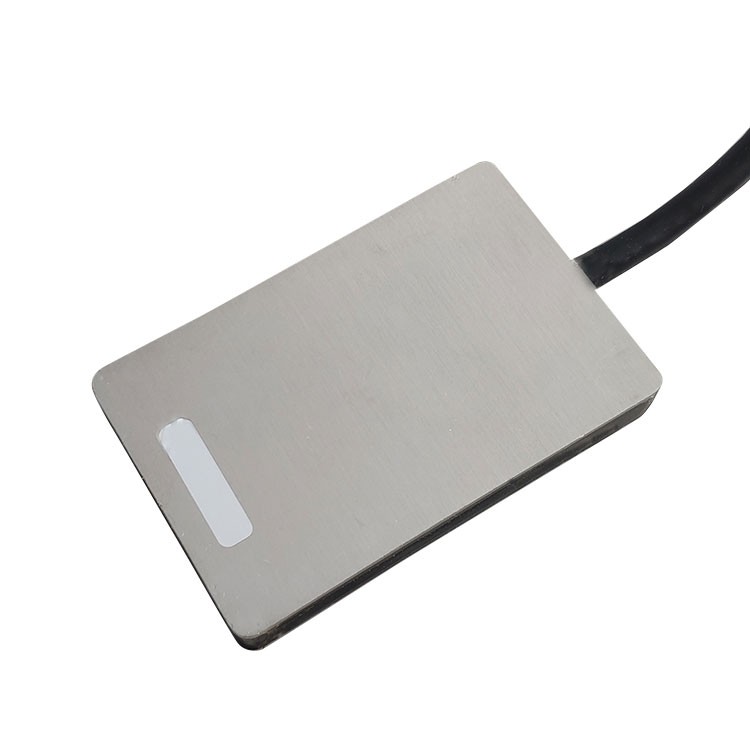
Agriculture Sensors utilizes the thermopile principle for data acquisition; its voltage output is directly proportional to the soil heat flux. Characterized by high measurement accuracy and low power consumption, it is suitable for year-round soil heat monitoring and is widely used in agricultural cultivation, environmental observation, and building thermal performance testing.
Agriculture Sensors is a specialized device for agricultural environmental monitoring. It employs a core thermopile sensing structure to detect soil heat flux, converting changes in soil heat into a voltage signal output. The output voltage is directly proportional to the actual heat flux, allowing personnel to calculate precise heat flow data using a standard formula. The device features a simple operational workflow, enabling immediate use without complex setup or calibration.
Agriculture Sensors features a compact, miniaturized design that allows for flexible deployment. It is typically buried at a depth of 2 cm for in-situ monitoring, making it suitable for outdoor environments such as farmlands and woodlands, as well as for measuring the thermal conductivity of building walls and glass facades. The device is highly versatile across different fields. It operates in a low-power mode, drawing approximately 26 mA upon startup at 12V, which ensures low energy consumption. This makes it ideal for long-term, unattended continuous monitoring scenarios, effectively reducing operation and maintenance costs for field monitoring.
Regarding performance specifications, Agriculture Sensors offers a measurement range of -200 to 200 W/m², an internal resistance of less than 300 Ω, and a measurement accuracy error controlled within 5%. It provides rapid and stable data acquisition, accurately capturing dynamic changes in soil heat flux. Soil heat flux exhibits distinct seasonal characteristics: in summer, abundant surface heat continuously enters the soil layer, resulting in a large positive heat flux value; in winter, when soil temperature exceeds atmospheric temperature, heat is released outward, resulting in a negative heat flux value. The sensor is capable of comprehensively recording these dynamic changes throughout the year. The Agriculture Sensors supports multiple power supply specifications and signal output types; it is compatible with 5V and 12–24V power supply modes and offers 4–20mA current, 0–2V voltage, and customized RS485 outputs, enabling seamless integration with various standard data acquisition devices. Thanks to its stable performance, precise measurement accuracy, and broad range of applications, the Agriculture Sensors is widely used in fields such as agricultural cultivation, ecological monitoring, forestry surveys, and structural inspection, serving as a core device for environmental heat flux monitoring.
This paper addresses:https://www.fengtusz.com/industry/1077.html