The Southern Rust Monitoring System collects environmental data from maize-growing areas and utilizes built-in models to predict disease outbreaks. Equipped with a spore-trapping mechanism, the system automatically captures spores, generates microscopic images, and transmits the data remotely. This enables unattended disease monitoring, facilitating accurate disease forecasting and timely intervention.
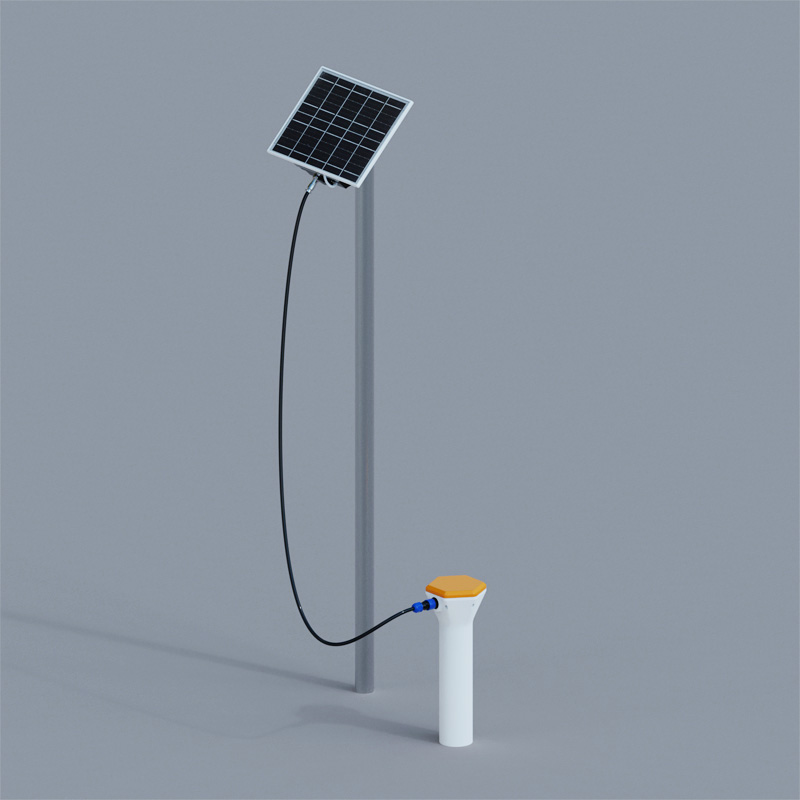
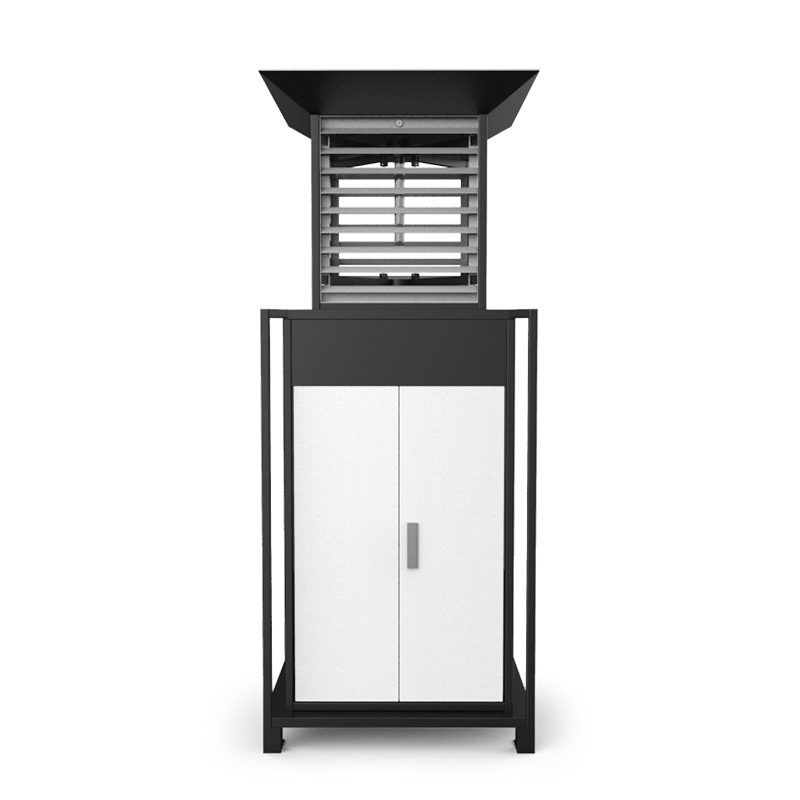
By gathering environmental data from maize fields, the Southern Rust Monitoring System employs internal models to predict the incidence of southern rust in maize. The device features a spore-trapping unit that continuously monitors the concentration and dispersal dynamics of airborne spores in the field. This provides an automated, visual method for assessing disease risk, significantly reducing the need for manual field sampling. The system comprises a spore-trapping unit, a spore-carrier mechanism, an imaging unit, a network transmission module, and a power supply with lightning protection—all designed for long-term, continuous operation in open-field environments.
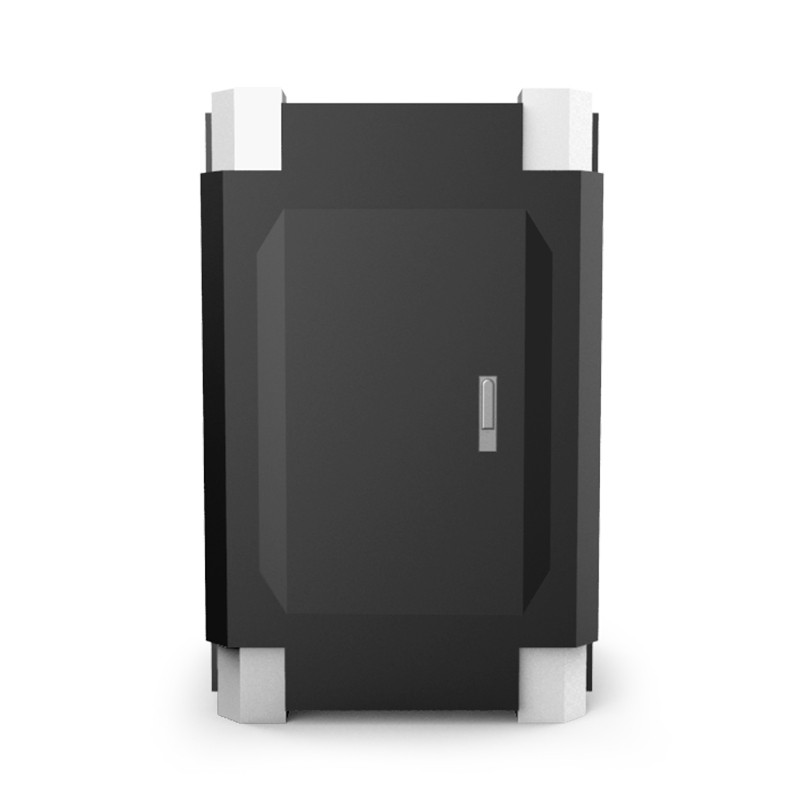
The Southern Rust Monitoring System is housed in a powder-coated stainless steel enclosure and features a 15-inch high-definition capacitive touchscreen. Running on the Windows operating system, it offers an intuitive user interface. It is equipped with a 12-megapixel, 1000x-magnification microscopic imaging system that automatically captures high-resolution images of trapped spores, with clarity sufficient for manual identification of spore species. The device operates 24/7, automatically selecting the best images for upload to the platform. Its intelligent imaging module can autonomously adjust the capture angle, ensuring comprehensive imaging of the entire spore-collection tape with no blind spots.
The system automates the entire process—from loading the collection tape and trapping spores to microscopic imaging and tape retrieval. It utilizes an extra-long, specialized collection tape capable of supporting up to 600 days of continuous monitoring. Operators can choose between automatic, scheduled, or diagnostic (debugging) modes based on specific field monitoring requirements. Additionally, the device includes built-in BeiDou/GPS positioning, which transmits its location and operational parameters in real-time, allowing users to track the device's status via a map-based platform. Through a web-based platform or mobile app, administrators can remotely control the equipment to perform tasks such as tape advancement, sample collection, imaging, and retrieval. The system supports remote upgrades and maintenance, allowing for the deployment of new software versions without the need for on-site personnel.
The Southern Rust monitoring system serves modern agricultural plant protection efforts by continuously collecting spore samples, generating disease monitoring data, and providing disease forecasts. Based on this monitoring information, farm managers can implement proactive field management and intervene at the optimal time for disease control. This helps mitigate the risk of corn yield losses caused by Southern Rust outbreaks and enhances the scientific rigor of disease prevention and control in the field.
This paper addresses:https://www.fengtusz.com/technical/1099.html