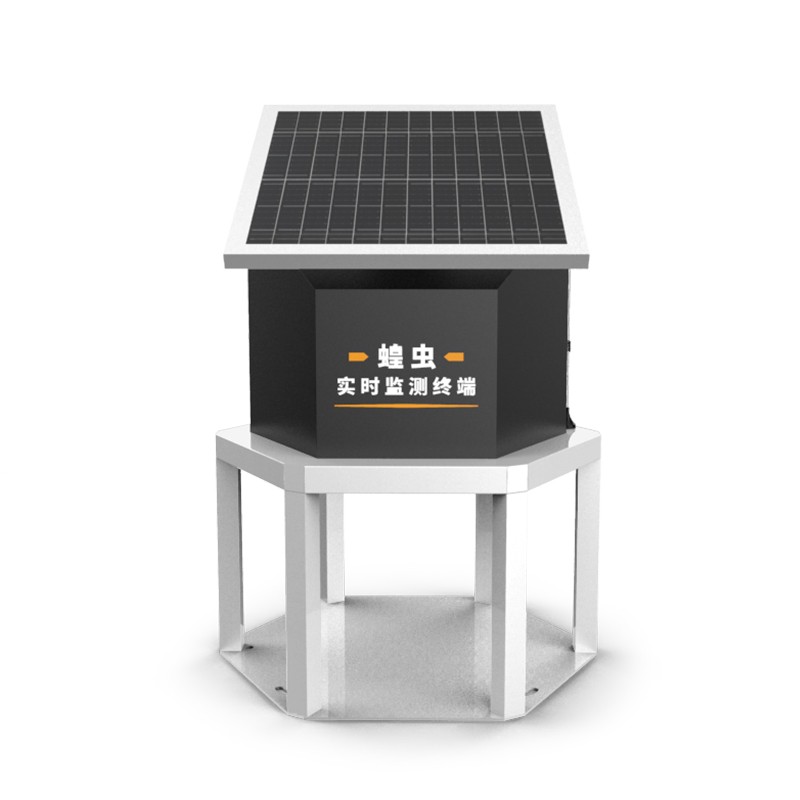
Designed for locust breeding grounds in forests and grasslands, this monitoring equipment employs a dual-attraction strategy—combining light and pheromone lures—alongside machine vision and IoT technologies. It automates the processes of photographing, identifying, and quantifying locusts, while enabling real-time data transmission, remote monitoring, and all-weather field operation.
This intelligent monitoring device is tailored for locust breeding grounds in grasslands and forest-grassland ecosystems. Primarily used for data collection, analysis, and early warning at fixed monitoring stations, it leverages a multi-technology integration approach to replace traditional manual monitoring methods, thereby enhancing both accuracy and timeliness. The device features a powder-coated stainless steel housing and a specialized rainproof design, allowing it to withstand harsh field conditions—such as rain, snow, wind, and sand—and operate stably around the clock, ensuring uninterrupted long-term monitoring regardless of the weather.
Integrating multiple cutting-edge technologies, the device centers on a dual-attraction system (light and pheromone) utilizing locust-specific attractants. It features switchable red and yellow light sources that alternate on a timer, significantly boosting trapping efficiency. Equipped with a 20-megapixel high-definition imaging system and a dedicated specimen capture platform, the device clearly captures high-resolution images of locusts in both stationary and active states, providing precise data for subsequent intelligent identification and analysis. An integrated control system allows for customizable timing parameters, enabling fully automated workflows—from photography and identification to analysis—without the need for on-site manual intervention.
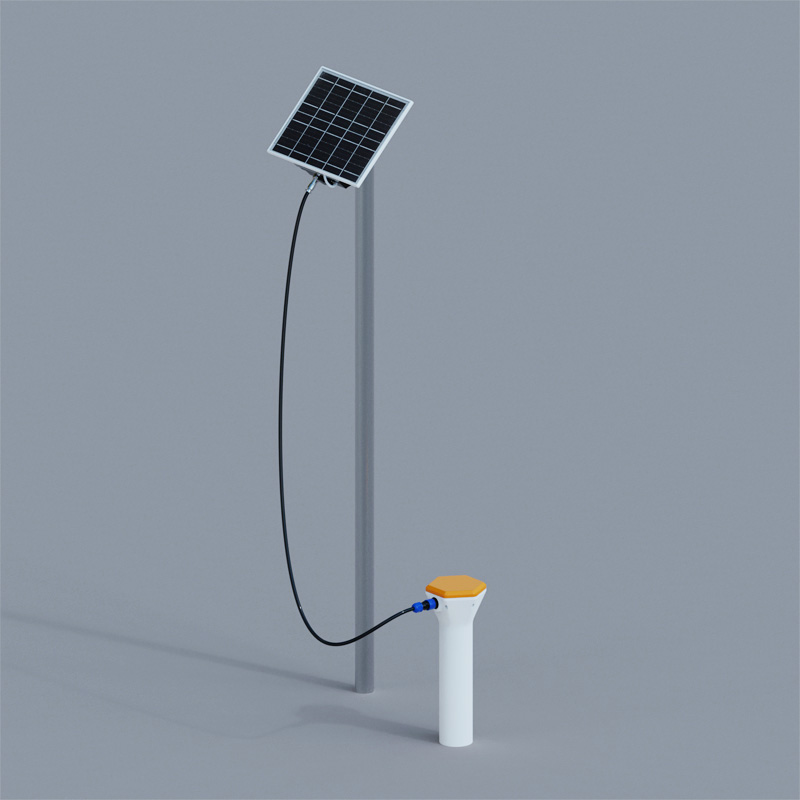
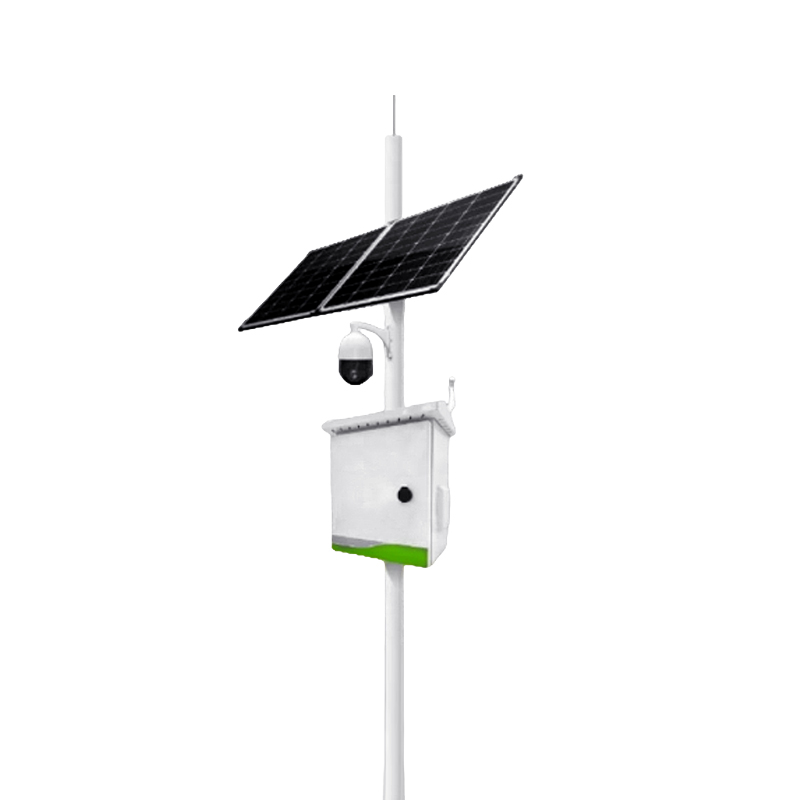
Regarding data processing and transmission, the equipment accurately identifies common forest and grassland locust species and uses big data algorithms to automatically calculate key metrics such as population density and developmental stages (instars). It includes a GPS positioning system to precisely log and upload monitoring site coordinates. Compatibility with 3G, 4G, and 5G wireless networks ensures real-time data transmission to early-warning centers, while local data storage capabilities prevent data loss. Personnel can remotely access monitoring data via mobile apps or web interfaces, set custom warning thresholds, and receive instant alerts regarding anomalies, facilitating rapid response and control measures. The locust monitoring equipment utilizes a solar power supply paired with a lithium battery energy storage system, featuring low standby power consumption and stable operational endurance. With a design lifespan exceeding ten years—characterized by low power usage, longevity, and minimal maintenance requirements—it is ideally suited for routine, unattended field monitoring, providing reliable data to support the scientific prevention and control of forest and grassland pests, as well as disaster early warning.
This paper addresses:https://www.fengtusz.com/technical/1081.html