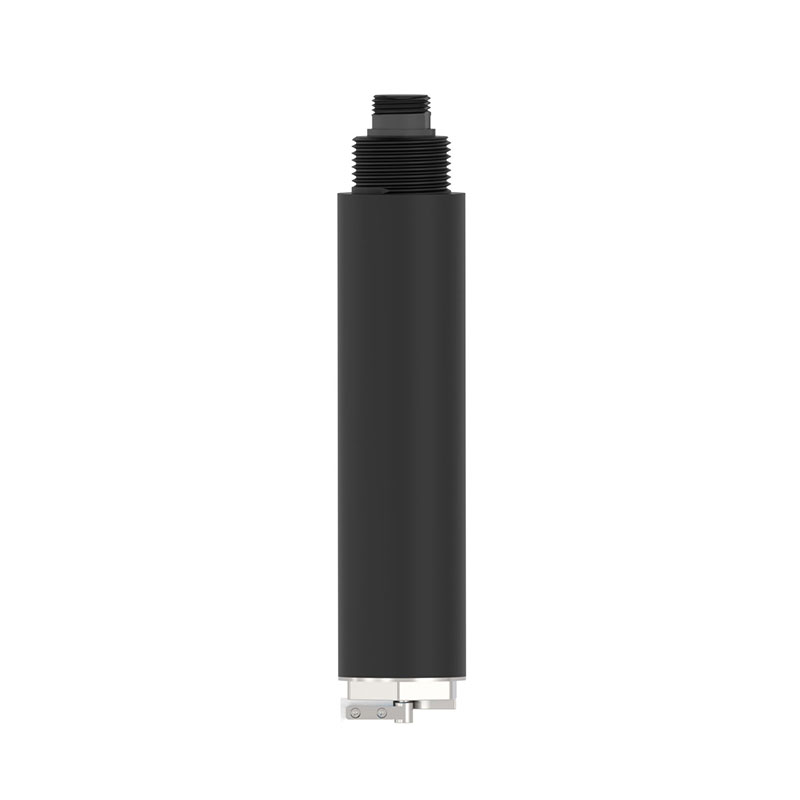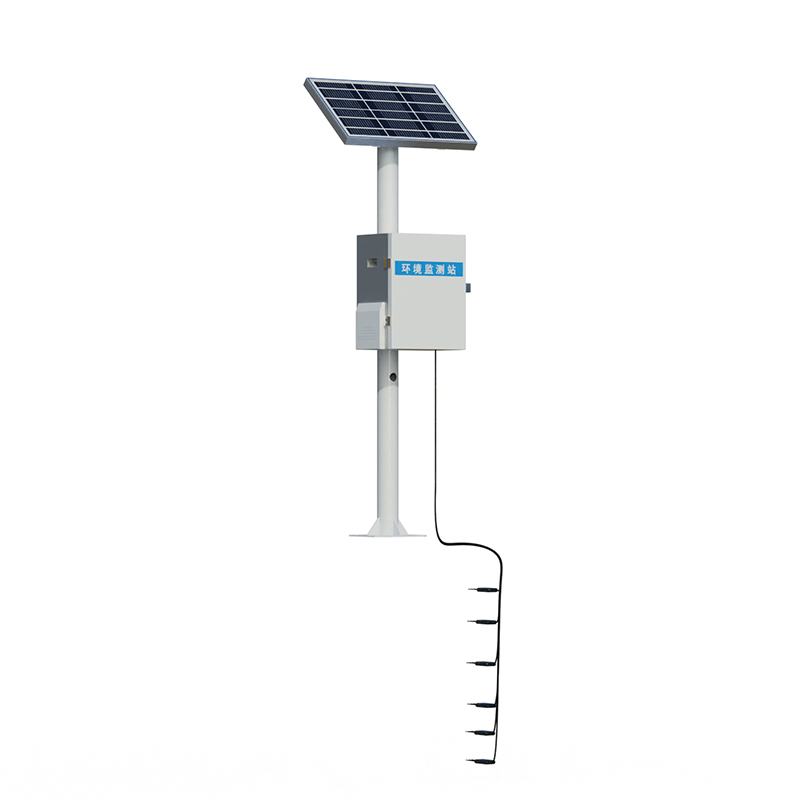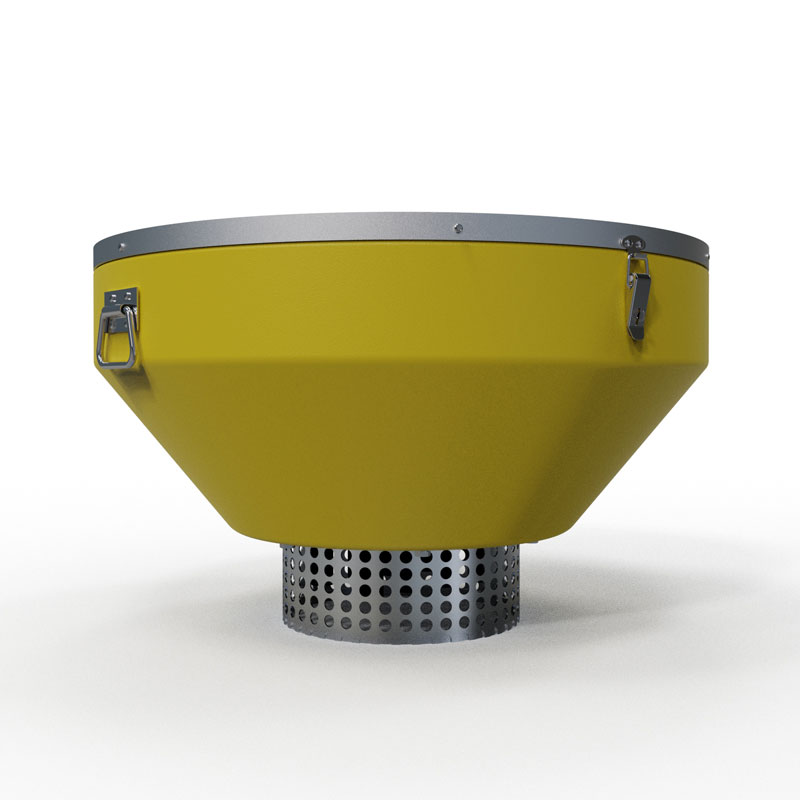
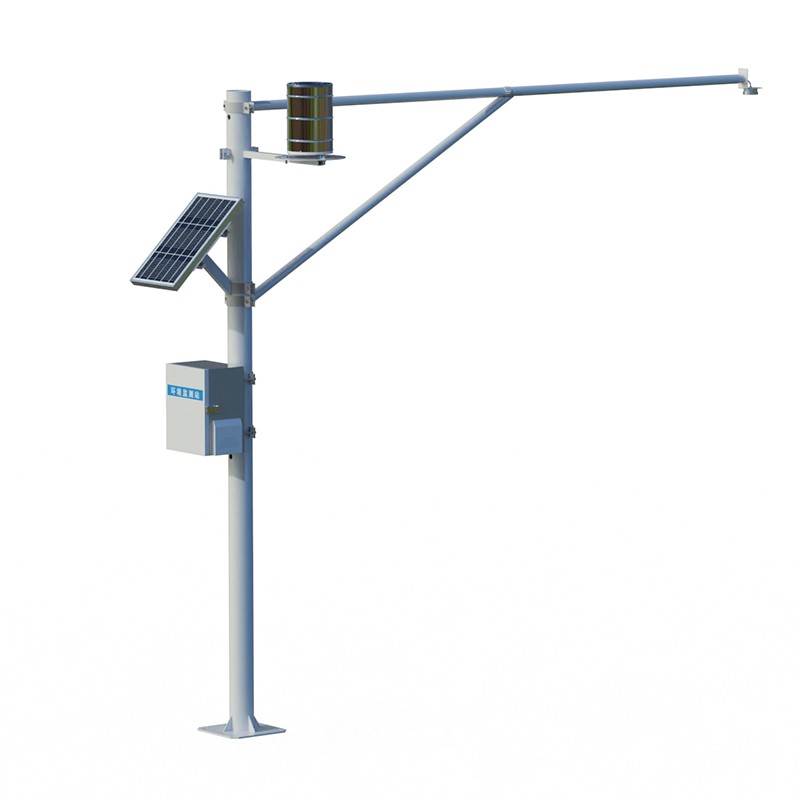
This water level monitoring device is a fully automated online hydrological monitoring system based on microwave technology. It utilizes K-band planar radar for non-contact measurement, enabling the simultaneous collection of water level and rainfall data. With strong resistance to environmental interference, it is suitable for hydrological monitoring across diverse scenarios—such as river channels, pipeline networks, and irrigation areas—while offering low power consumption and ease of operation and maintenance.
Traditional hydrological monitoring equipment is susceptible to external environmental interference; factors such as temperature fluctuations, sediment, floating debris, haze, and turbulent flow often lead to data inaccuracies. Furthermore, some contact-based devices are prone to corrosion and damage from debris, making it difficult to ensure stability during long-term field operations. This device overcomes the technical limitations of traditional equipment by employing advanced K-band planar radar microwave technology for non-contact monitoring. By collecting data without physical contact with the water, it fundamentally eliminates the impact of the aquatic environment on the equipment and measurement accuracy, ensuring stable performance across complex hydrological scenarios.
Equipped with specialized built-in software algorithms, the device rapidly processes raw data to accurately calculate and output real-time water level, rainfall, and flow rate data. It supports flexible parameter configuration based on on-site conditions, meeting monitoring requirements for various river cross-sections, pipeline specifications, and irrigation site environments. Compared to traditional equipment, this device features a compact, lightweight structure with a streamlined antenna design. Installation is simple and requires no complex construction, allowing for rapid deployment at diverse locations such as field sites, municipal pipeline networks, and reservoir sluice gates.
In terms of operational performance, the device offers the key advantages of low power consumption and high reliability. It supports continuous, unattended operation over long periods, significantly reducing costs associated with manual inspections and equipment maintenance. Its operation remains unaffected by factors such as atmospheric temperature and humidity, pressure changes, surface foam, or debris accumulation, ensuring consistently stable measurement accuracy. It boasts a comprehensive range of applications, suitable not only for routine water and rainfall monitoring in rivers, lakes, reservoirs, and irrigation canals but also for monitoring urban underground drainage networks and road surface flooding. It supports urban water supply and sewage management operations while providing precise, continuous, and empirical data for flood early warning, hydrological flow statistics, and drainage dispatch and control, making it a fundamental and core piece of monitoring equipment for smart water conservancy and urban flood control systems.
This paper addresses:https://www.fengtusz.com/technical/1078.html