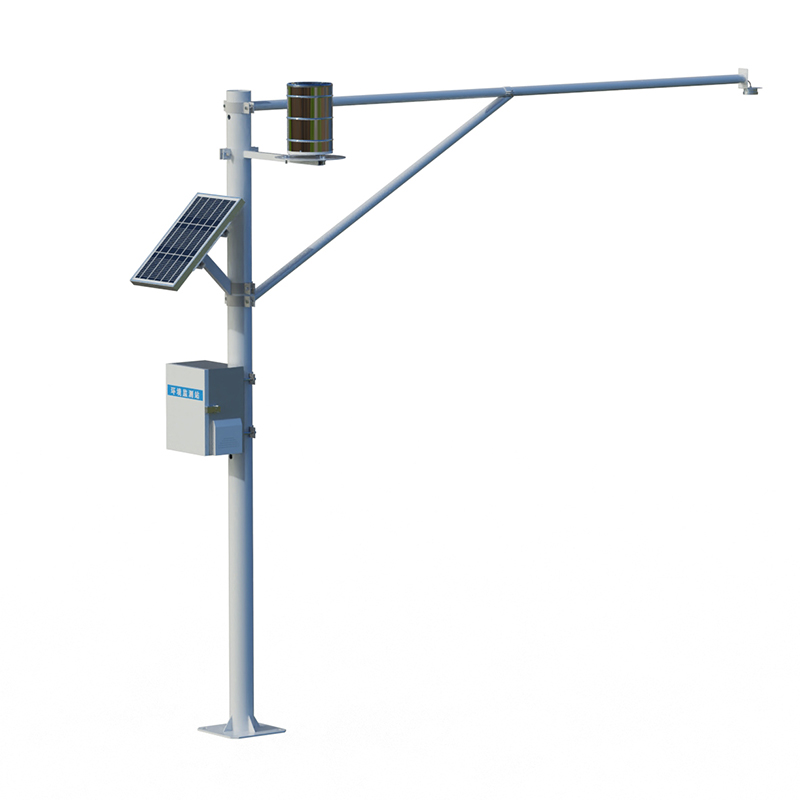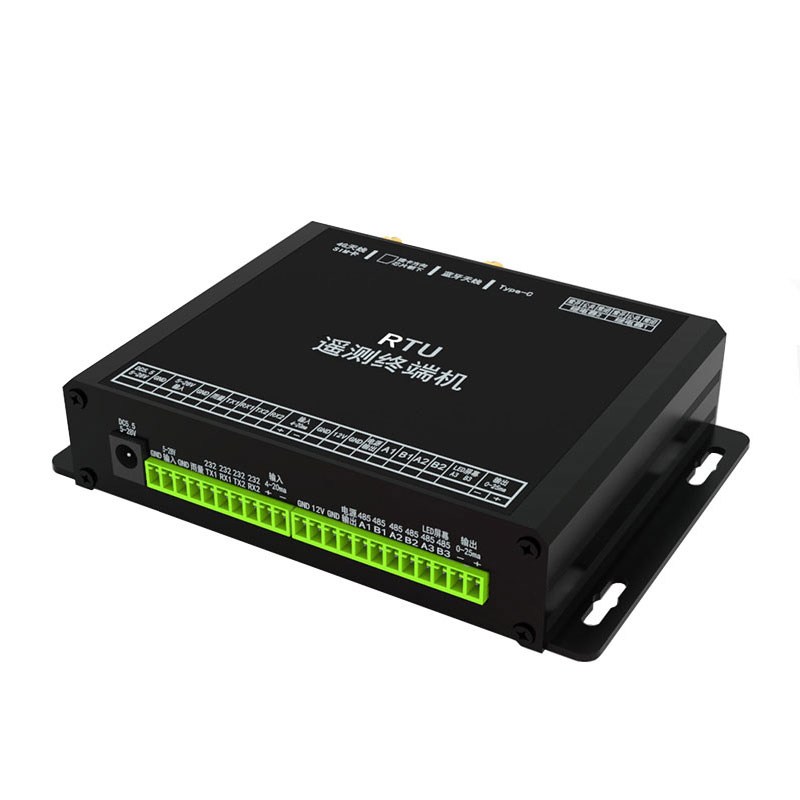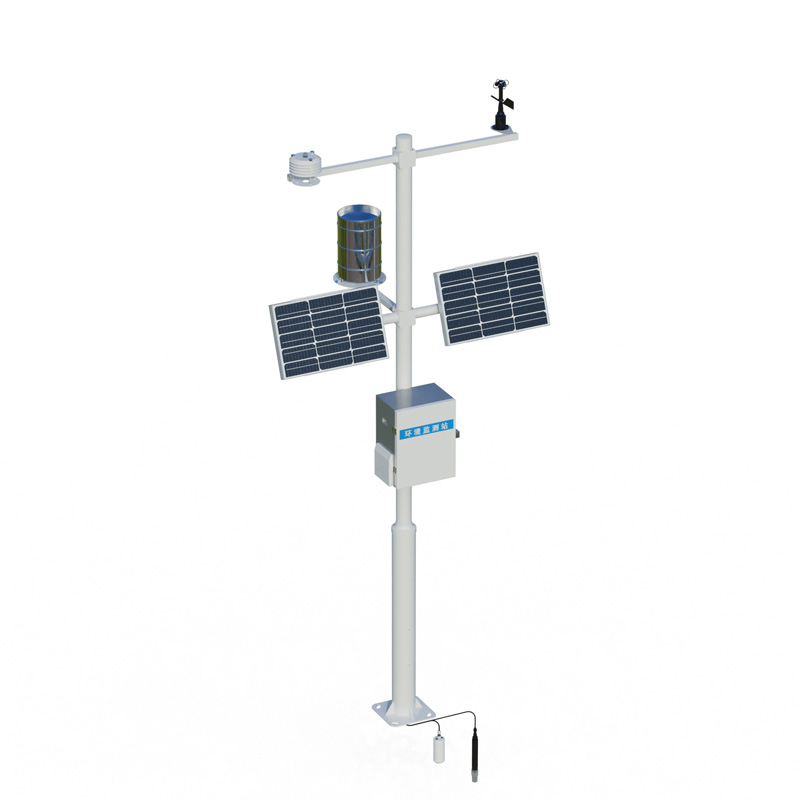
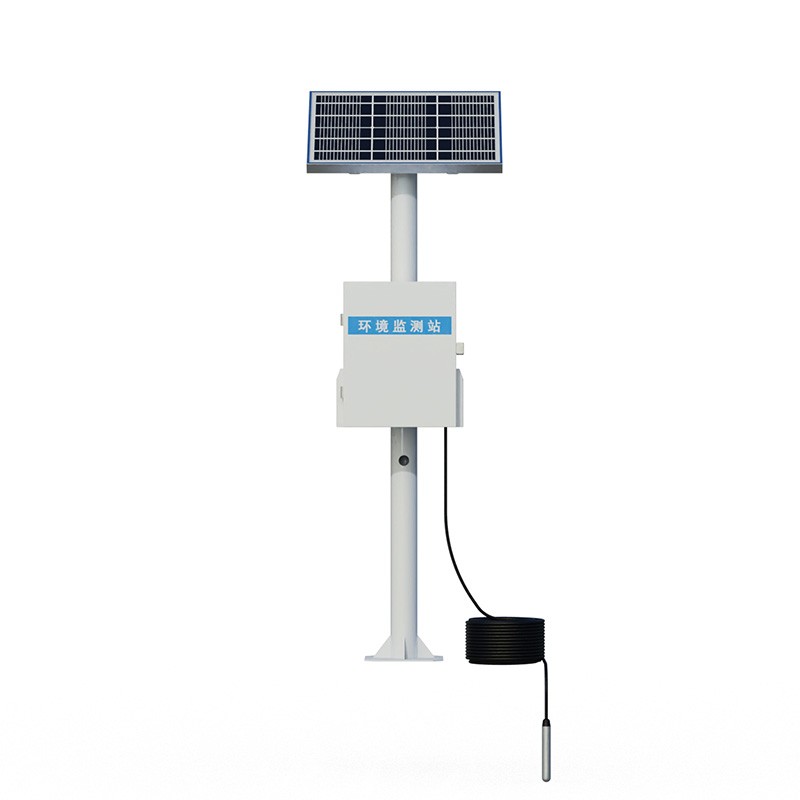
Groundwater level monitoring is primarily designed for measuring water levels in deep groundwater wells, mine shafts, and geothermal wells, with a measurement range spanning 100 to 400 meters. The device features an integrated, high-pressure-resistant sensor chip housed within a single-piece, molded structure. It is also equipped with a triple-layer lightning protection system, ensuring reliable long-term operation in the high-pressure, humid environments found deep underground. Data is transmitted via a high-tensile steel-reinforced cable, which guarantees the stable, real-time, and high-precision output of measurement signals.
The operating principle of Groundwater level monitoring is based on hydrostatic pressure—where pressure is directly proportional to water depth—utilizing a pressure-sensitive integrated component as the sensor probe. When the probe is fixed at a specific point underwater, the water level (the distance from the water surface to the wellhead) can be calculated by combining the pressure exerted by the water column above the probe with the probe's elevation. The system directly measures the actual height of the fluid column above the probe. This method eliminates the need for mechanical components like floats or steel tapes, thereby minimizing the space occupied within the well.
In terms of system architecture, Groundwater level monitoring integrates sensor technology, communication, and data processing. It converts water-pressure signals into readable data, which is then transmitted via the cable. The single-piece, molded design minimizes the number of sealed joints, reducing the risk of moisture ingress, while the triple-layer lightning protection safeguards the system against induced surges—a common risk for underground cables during thunderstorm seasons. The steel-reinforced cable serves a dual purpose: it facilitates signal transmission while providing the necessary tensile strength to support the device when suspended in a deep well.
Groundwater level monitoring is engineered for monitoring environments that lack a mains power supply, are highly humid, and do not require ultra-high-speed real-time data. By utilizing a wired signal output combined with a low-power sensor, the device operates independently of the electrical grid, making it ideal for applications such as hydrological observation wells in remote areas or monitoring points for mine drainage systems. In the fields of hydrological monitoring, agricultural irrigation, and urban water supply, Groundwater level monitoring provides a continuous stream of data on water level trends, enabling managers to track the dynamic changes in groundwater.
This paper addresses:https://www.fengtusz.com/technical/1112.html