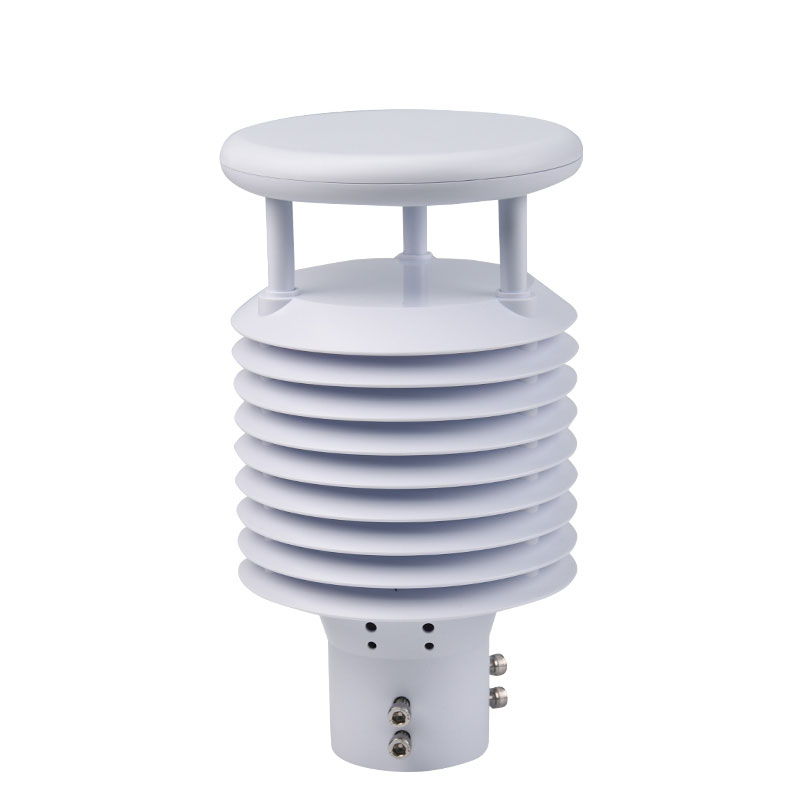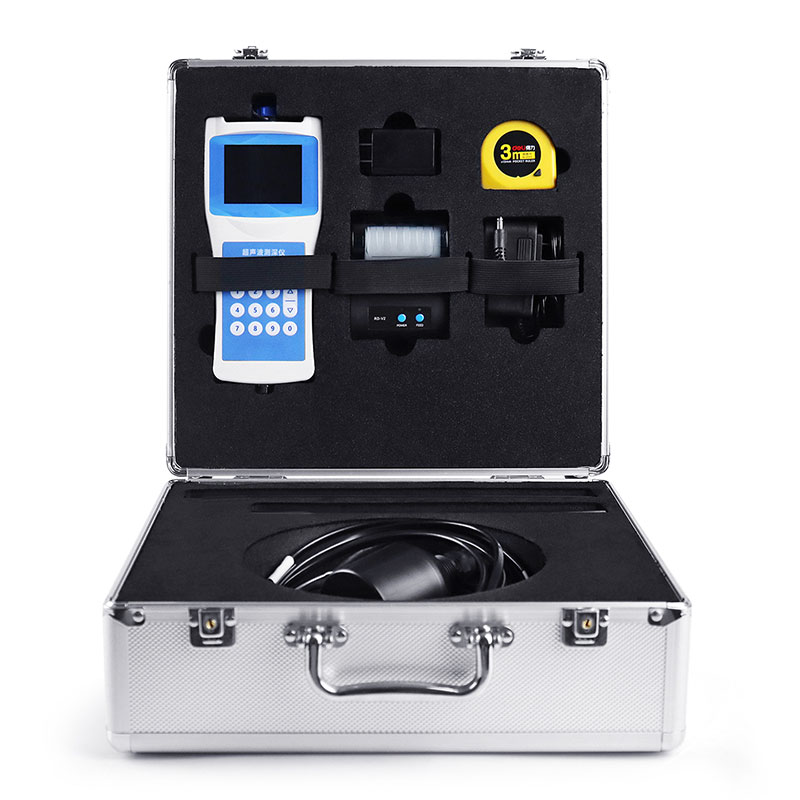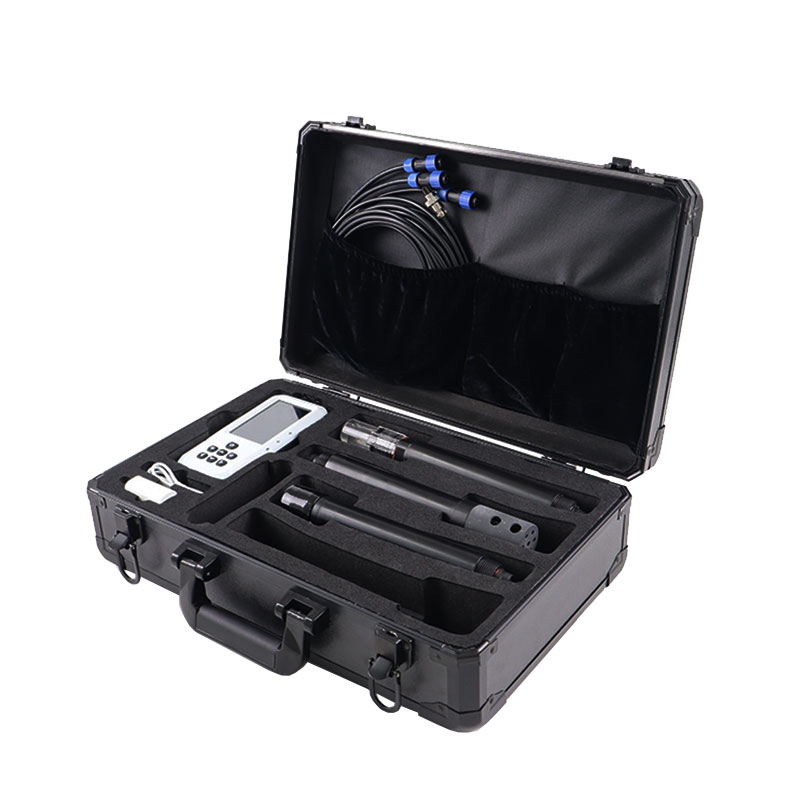
Fishpond water quality monitoring equipment uses water quality sensors such as those for temperature, conductivity, pH, and dissolved oxygen as its core. It monitors and analyzes various water quality parameters in real time, transmitting the collected data to a platform for remote viewing and management. This includes alarms for exceeding limits and intelligent processing, providing fish farmers with objective and effective water quality data.
Fishpond water quality management is a key factor in the success or failure of aquaculture. Indicators such as dissolved oxygen, pH, ammonia nitrogen, and nitrite directly affect the survival and growth of fish. In the past, farmers relied heavily on experience to judge water quality or sent samples to laboratories weekly for analysis, a time-consuming and costly process where optimal control was often missed by the time results were available. Fishpond water quality monitoring equipment, with water quality sensors at its core, monitors and analyzes various water quality parameters in real time, transmitting the collected data to a platform for remote viewing and equipment management, providing fish farmers with a scientific and efficient means of water quality management.
Fishpond water quality monitoring equipment is mainly divided into two categories: portable testing instruments and online monitoring systems. Portable testing instruments are suitable for daily pond inspections. They feature a waterproof, portable, and secure integrated case, allowing technicians to carry them along the pond for on-the-go testing. Electrode methods can quickly measure common indicators such as pH, dissolved oxygen, conductivity, and salinity. Technicians simply place the sensor in the water to take a reading; no sampling or reagents are required, and results are available in seconds. These instruments typically feature a 7-inch color touchscreen and a built-in high-capacity lithium battery to meet all-day operation needs. Colorimetric methods can accurately detect physicochemical indicators such as COD, ammonia nitrogen, total phosphorus, and nitrite. For large-scale fish farms, electronic three-in-one analyzers with an accuracy of ±0.05% error are suitable; smaller family ponds can opt for more cost-effective test strip kits or reagent colorimetric boxes.
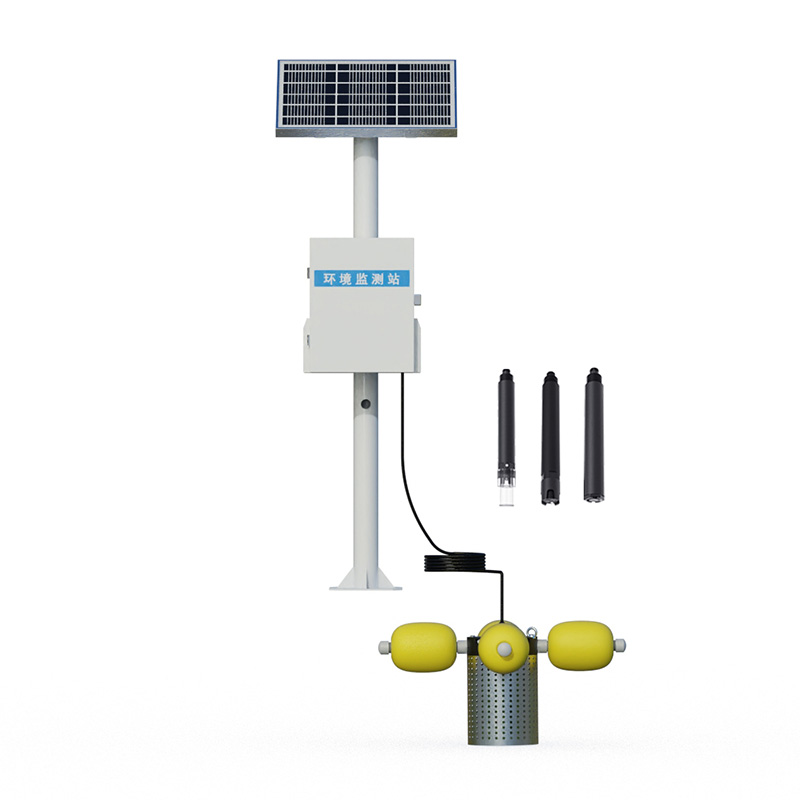
Online monitoring systems are suitable for long-term continuous monitoring of large-scale fish farms. These systems deploy sensors fixed in the pond, using dissolved oxygen electrodes, pH electrodes, conductivity sensors, turbidity sensors, and temperature sensors to collect water data in real time. All signals are digitized by a microprocessor and uploaded to a cloud platform via 4G or wireless modules. Aquaculture farmers can view water quality data in real time via mobile phone or computer. When water quality indicators exceed the set safety range, the system will issue an early warning, reminding farmers to take timely measures.
The application of water quality monitoring equipment has effectively reduced aquaculture risks and improved economic efficiency. After introducing water quality monitoring equipment, some aquaculture enterprises promptly detected rising ammonia nitrogen trends in their ponds and immediately implemented water exchange and aeration measures, preventing large-scale disease outbreaks. Farmers have upgraded from "experience-based farming" to "digital farming," achieving more scientific and refined aquaculture management.
This paper addresses:https://www.fengtusz.com/company/1024.html