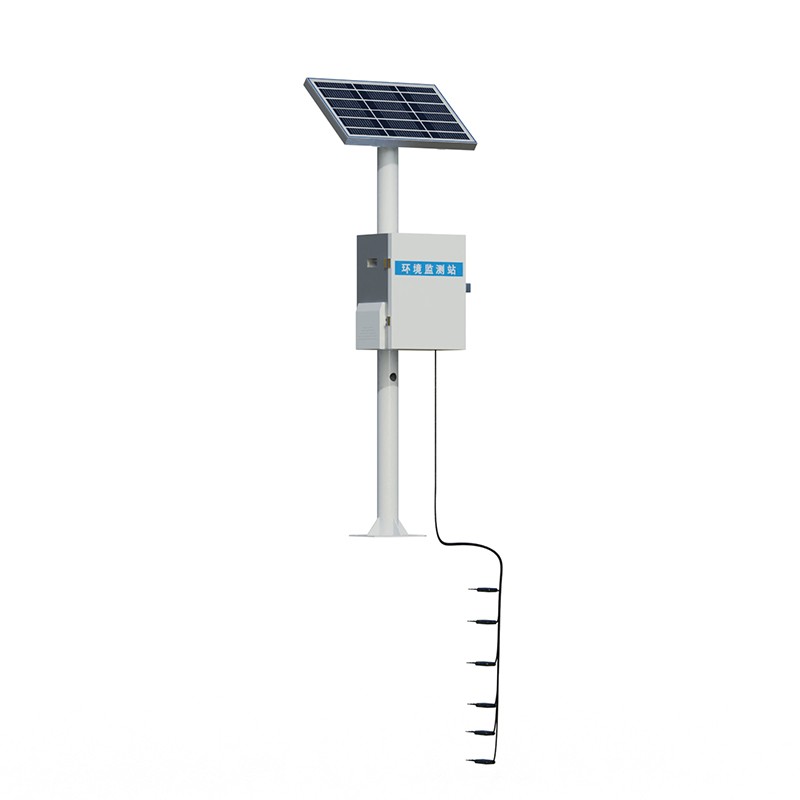
A soil moisture monitoring system is an automated observation device that integrates the monitoring of soil moisture, temperature, and electrical conductivity. Supporting wired, 4G, and Bluetooth data transmission, the system is characterized by low power consumption and rapid deployment, making it ideal for long-term field monitoring in agriculture, forestry, and scientific research. By utilizing sensors at six different depths to simultaneously collect profile data—complemented by solar power and SMS-based alarm functions—the system provides continuous, reliable data for soil moisture assessment.
The hardware of the soil moisture monitoring system is specifically adapted for field environments. The sensors feature an integrated design with stainless steel probes, housing both moisture and temperature sensing elements; this construction ensures durability against electrochemical corrosion and soil abrasion during long-term burial. The power supply system incorporates a solar panel mounted flush with the top cover, a design that reduces wind resistance while enhancing photoelectric conversion efficiency. An MPPT (Maximum Power Point Tracking) charge controller is employed, which improves charging efficiency by approximately 20% compared to conventional PWM (Pulse Width Modulation) methods, allowing for greater energy harvest from solar panels even under the low-light conditions often found during overcast or rainy weather. The protective enclosure is constructed from stainless steel and carries an IP66 waterproof rating; it houses the data acquisition module and communication unit, ensuring the system can withstand high-humidity and dusty field environments.
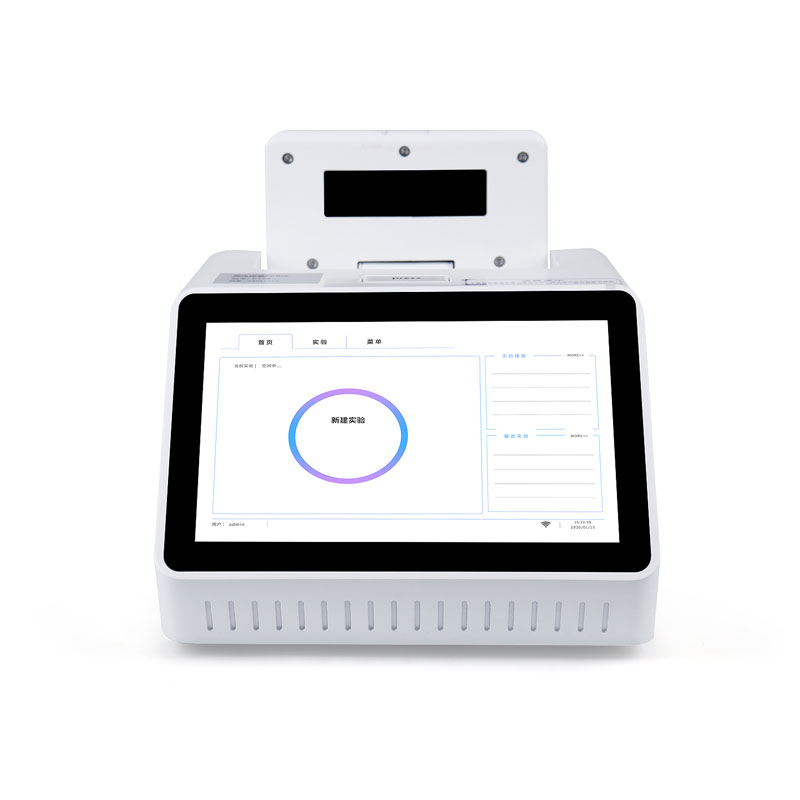
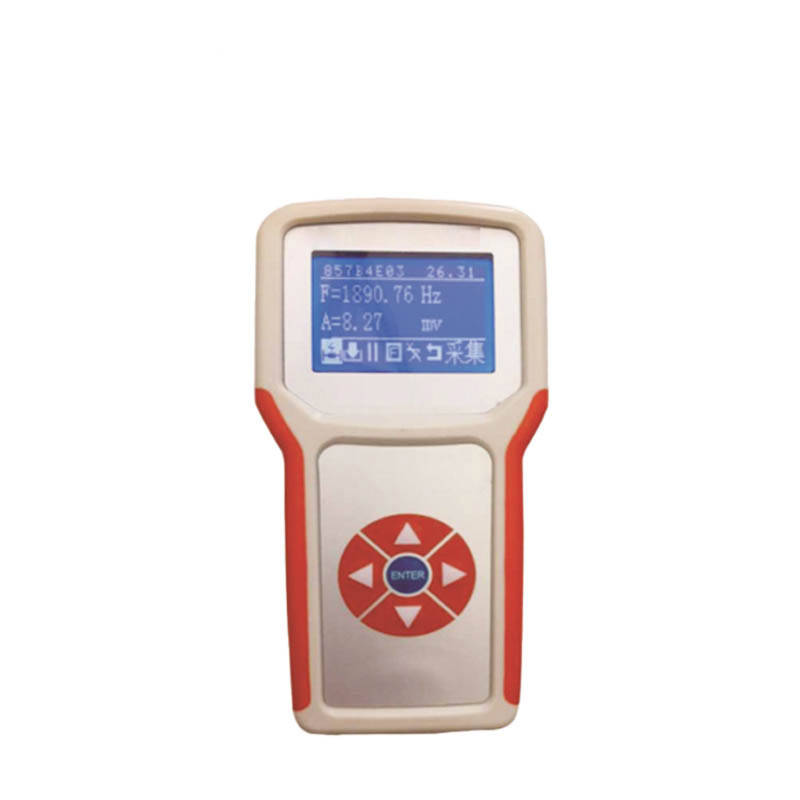
Data transmission and alarm mechanisms are critical to the system's operation. The soil moisture monitoring system supports both wired and 4G wireless data transmission, while Bluetooth is available for on-site debugging and data export. Once collected, the monitoring data is uploaded to a management platform, allowing users to remotely view the volumetric water content and temperature at various soil depths. If the moisture level at any depth falls below or exceeds a preset threshold, the system triggers an SMS alert, sending a notification to designated mobile phone numbers. This feature is particularly valuable for unattended, remote monitoring sites, as it enables managers to stay informed of anomalies without needing to constantly log into the platform. An optional 7-inch Android display (running version 4.4.2, equipped with a quad-core processor, 512MB of RAM, and 4GB of storage) allows for the on-site viewing of real-time data curves and historical records; a low-temperature version is also available to meet the operational requirements of outdoor use during winter in northern regions. In terms of application, a six-depth soil moisture, temperature, and electrical conductivity (EC) sensor can cover the primary root zone of crops. Data on moisture distribution at various depths helps determine whether irrigation water has effectively reached the lower root zone or if excessive irrigation has led to deep percolation. The electrical conductivity parameter reflects changes in the concentration of soluble salts within the soil solution, serving as an early warning indicator for areas at risk of salinization. The device features expansion ports that allow for the integration of additional sensors—such as those for soil pH, air temperature and humidity, solar radiation, and rainfall—enabling users to customize the system according to specific research goals or production needs without replacing the main unit. Installation is straightforward and requires no complex calibration; a single person can complete the setup—including securing the mounting pole and burying the sensors—within half an hour, thereby reducing the time investment required for fieldwork.
The value of a soil moisture monitoring system lies in its ability to transition from discrete manual sampling to continuous, in-situ recording. While the traditional oven-drying method offers high accuracy, it fails to capture the dynamic depletion of soil moisture following rainfall or irrigation; furthermore, repeated sampling can disturb the experimental plots. Automated equipment records moisture fluctuations at minute-level intervals. When combined with temperature and EC data, this provides a more comprehensive picture of the interplay between soil water movement and salt accumulation. For agricultural irrigation management, continuous moisture curves are far more informative than isolated, single-point measurements. They reveal the rhythms of replenishment and depletion within the "soil reservoir," allowing managers to adjust irrigation strategies before crops exhibit visible signs of drought stress.
This paper addresses:https://www.fengtusz.com/company/1113.html