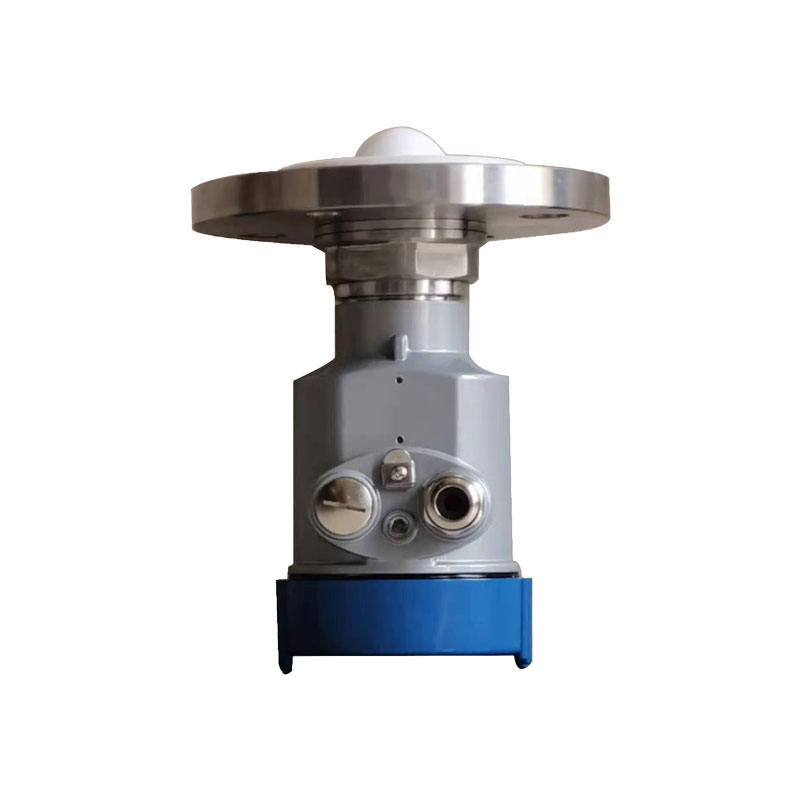
Radar water level monitoring equipment utilizes K-band planar radar technology to achieve non-contact water level measurement, unaffected by factors such as temperature, sediment, and floating debris. The equipment features low power consumption and a compact size, making it suitable for scenarios such as rivers, irrigation canals, underground drainage networks, and flood control early warning systems. It can output real-time water level data.
Radar water level monitoring equipment is a fully automated online hydrological monitoring system based on microwave technology. Employing K-band planar radar technology, it measures water levels non-contactly. Built-in software algorithms calculate and output real-time water level data. Compared to traditional float-type and pressure-type water level gauges, radar water level gauges do not require the construction of water level wells or direct sensor contact with the water body, avoiding problems such as sediment blockage, corrosion, and interference from floating debris.
The measurement principle of this equipment involves emitting microwave pulses towards the water surface through a radar transmitter. After receiving the reflected signals, the distance between the sensor and the water surface is calculated using the time-of-flight principle. Due to the constant propagation speed of electromagnetic waves, the equipment can accurately determine the water level height. The measurement process is unaffected by factors such as temperature, sediment, river pollutants, and floating debris. Some models utilize FMCW (Frequency Modulated Continuous Wave) radar technology, achieving millimeter-level resolution, and dynamic filtering algorithms eliminate wind and wave interference.
Radar water level monitoring equipment is suitable for various measurement conditions. It can monitor water levels in natural water bodies such as rivers, lakes, and reservoir gates, and also plays a role in water treatment operations such as urban water supply and sewage monitoring. The equipment is also suitable for water level measurement in artificial water conservancy facilities such as irrigation canals and underground water pipe networks, and can be used for flow calculation and inflow/outflow monitoring. In terms of flood prevention and early warning, the equipment can monitor water level changes in real time and trigger an early warning mechanism when the water level approaches the warning value.
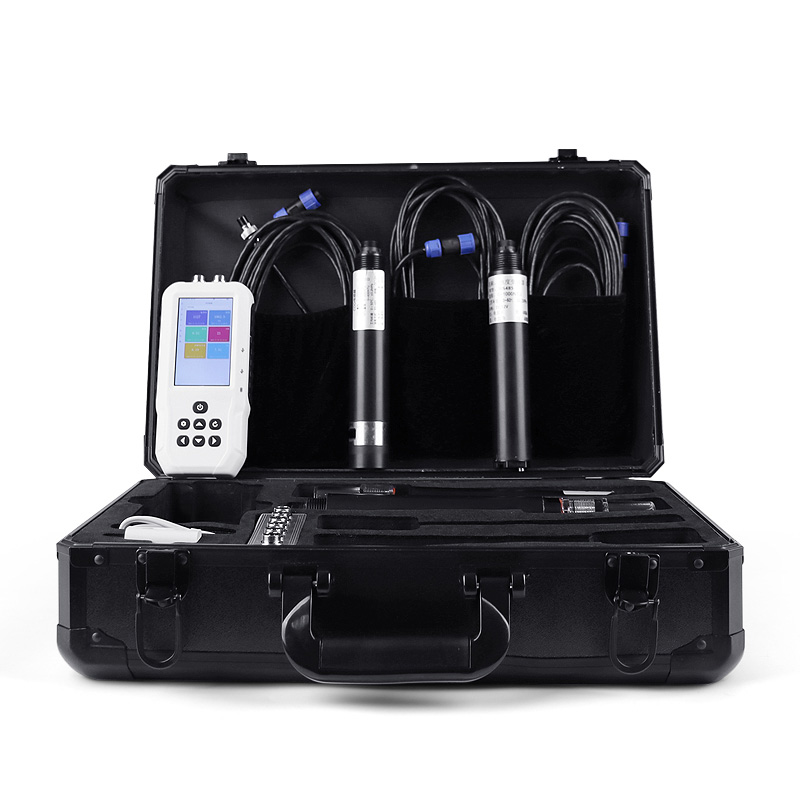
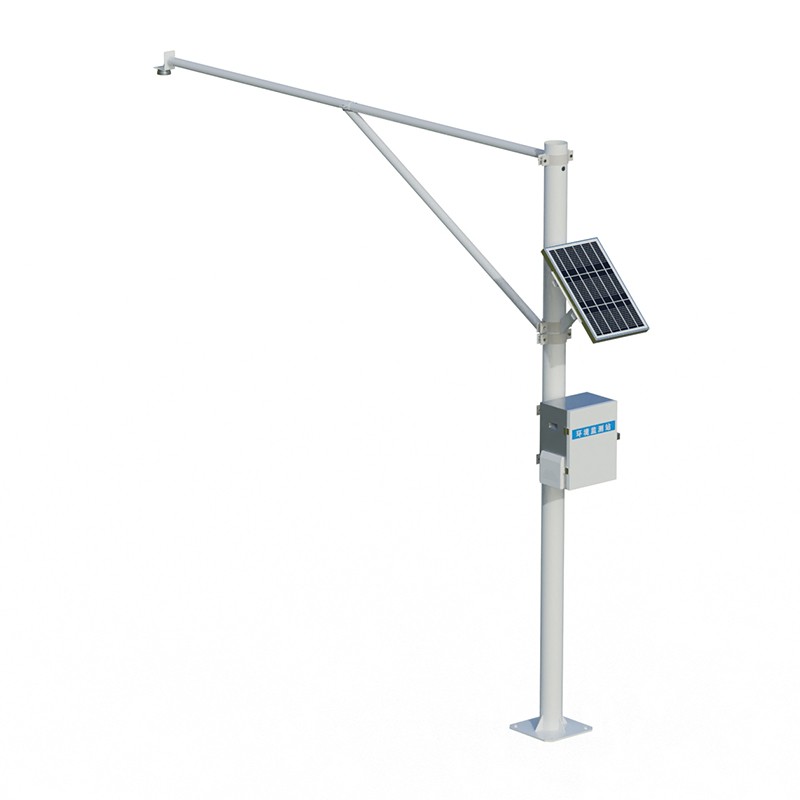
The radar water level monitoring equipment uses a planar array radar antenna with built-in angle measurement capabilities. It is compact and easy to install. The integrated design combines the radar module, data acquisition, and communication unit, and solar power supports deployment in scenarios without mains power. Data is uploaded to the monitoring platform in real time via wireless protocols such as 4G, NB-IoT, or LoRa. The equipment boasts an IP68 protection rating, enabling normal operation in ambient temperatures ranging from -40℃ to 85℃. The accompanying configuration software allows for flexible parameter configuration to suit various operating conditions.
With its non-contact measurement, high precision, low power consumption, and strong environmental adaptability, radar water level monitoring equipment is becoming an important tool in the field of hydrological monitoring, providing reliable data support for water resource management, flood control and disaster reduction, and ecological protection.
This paper addresses:https://www.fengtusz.com/industry/1038.html