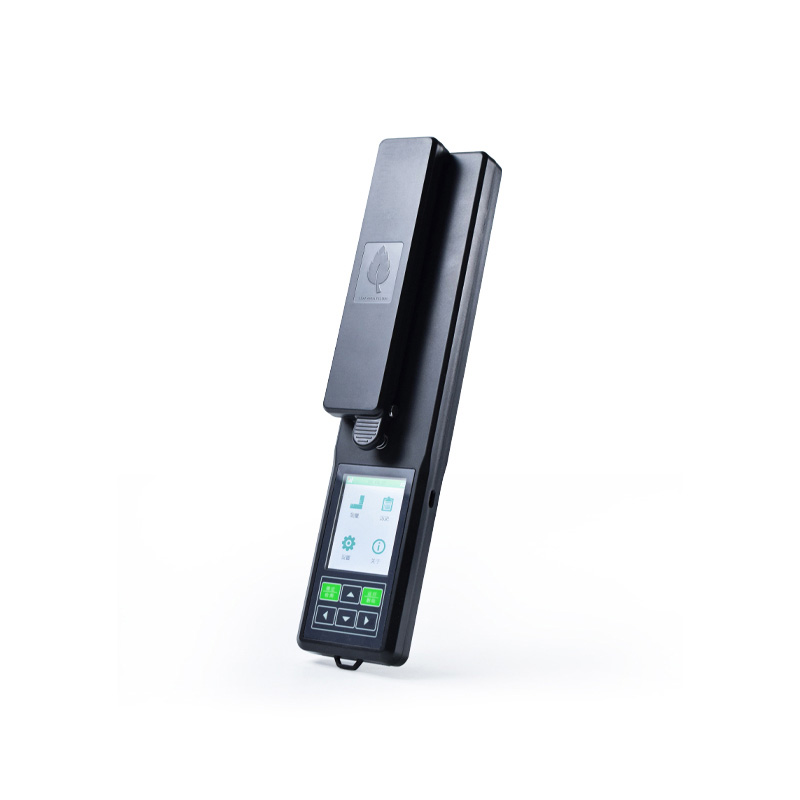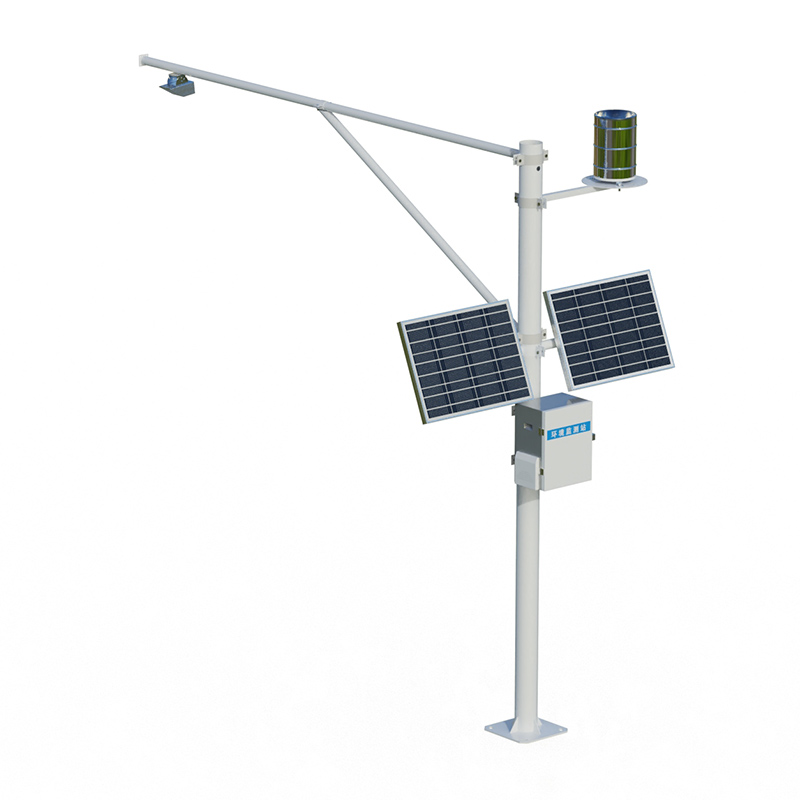
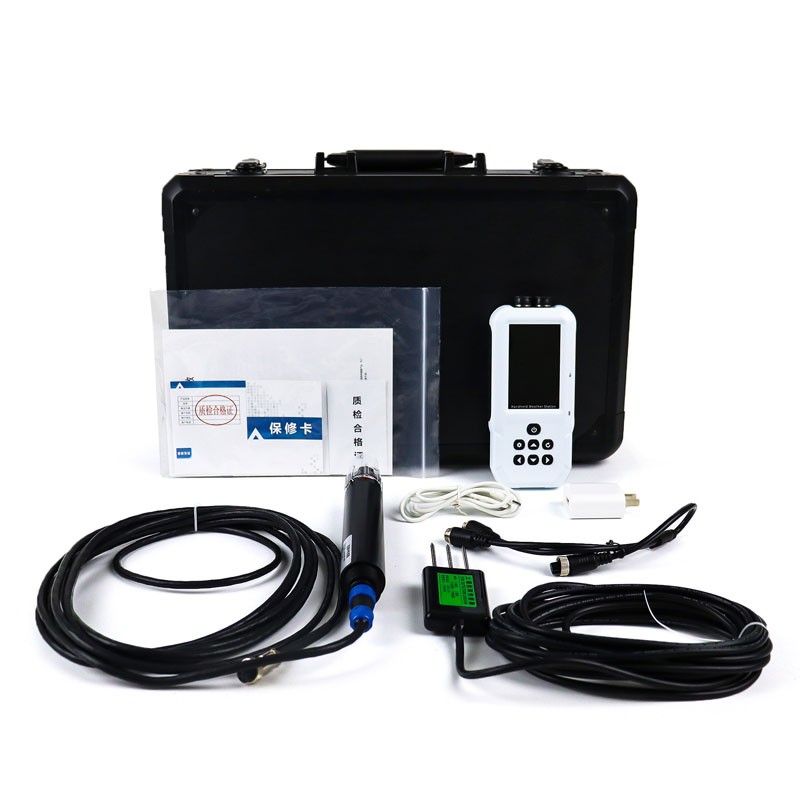
This integrated meter features a single, unified design, allowing for rapid measurement of soil moisture content, temperature, conductivity, salinity, and pH. It supports multi-point, multi-layer soil sampling and long-term monitoring, making it suitable for soil testing across various industries.
This integrated soil environmental monitoring device combines multiple testing functions into a single unit. Operators simply bury the probe in the soil to quickly read five fundamental indicators: moisture content, temperature, conductivity, salinity, and pH. The results are stable, reducing the need for frequent device changes and adjustments during routine fieldwork.
The device is adaptable to sampling at different soil depths. Operators can adjust the sensor burial depth according to the needs of farmland surveys and soil quality investigations, enabling real-time readings at multiple testing points. In addition to temporary on-site sampling and testing, this instrument can also be used for long-term continuous monitoring, storing various soil parameters at regular intervals. Complete monitoring data can then be exported and compiled into corresponding soil analysis data, facilitating staff understanding long-term soil changes.
The instrument features a compact structure and lightweight design, making it easy to carry and transport during field surveys. The main unit has a Chinese operating screen, and the button operation is simple, allowing even beginners to independently conduct soil testing after a short familiarization period. Some models are equipped with wireless transmission components, enabling remote uploading of measured data to a management terminal, allowing for viewing of soil monitoring information even when not on-site.
Currently, this testing equipment is used in the daily work of various industries. In agriculture, the instrument's data is used for soil moisture assessment, water-saving irrigation planning, and refined field management; in forestry and plant cultivation, the equipment is used to control soil conditions in cultivated plots; and in geological exploration, water conservancy projects, and environmental remediation, the instrument is also used to obtain basic soil parameters. Staff use the measured data to adjust the soil environment, improve soil deficiencies, and provide a basis for the sustainable management of various land resources.
This paper addresses:https://www.fengtusz.com/technical/1058.html