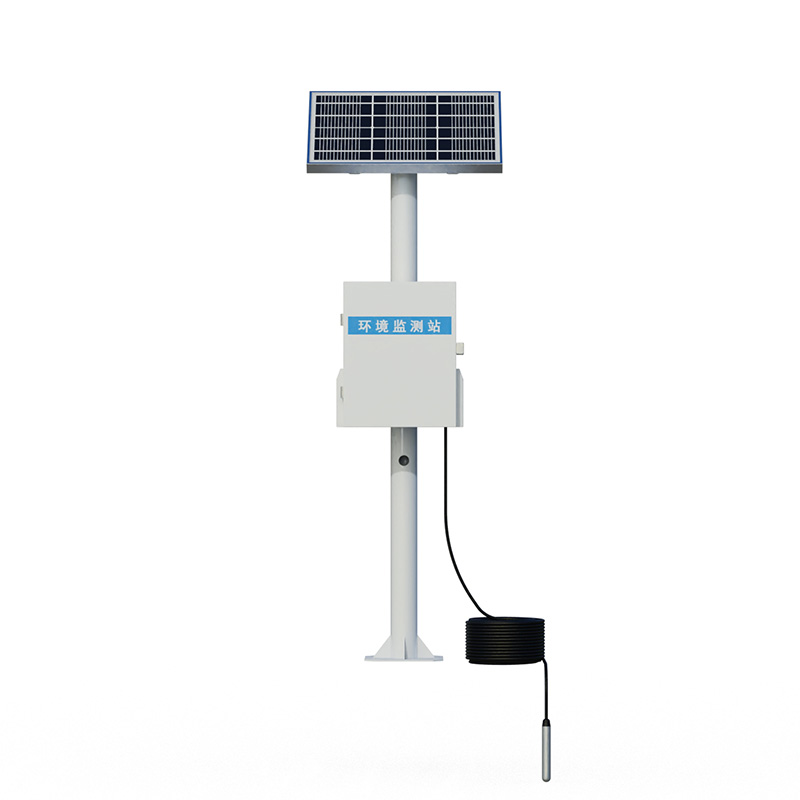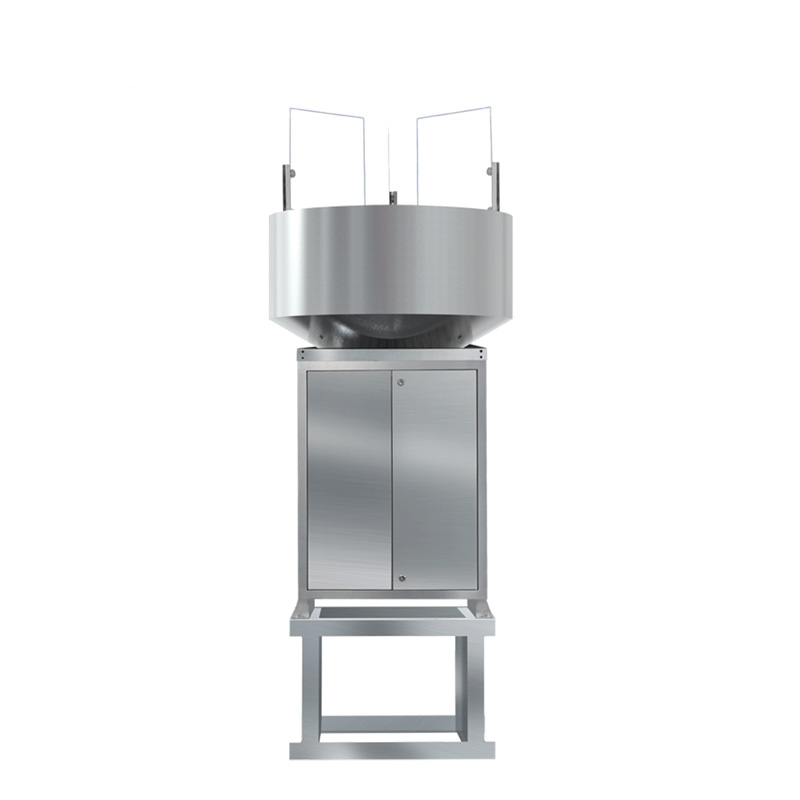
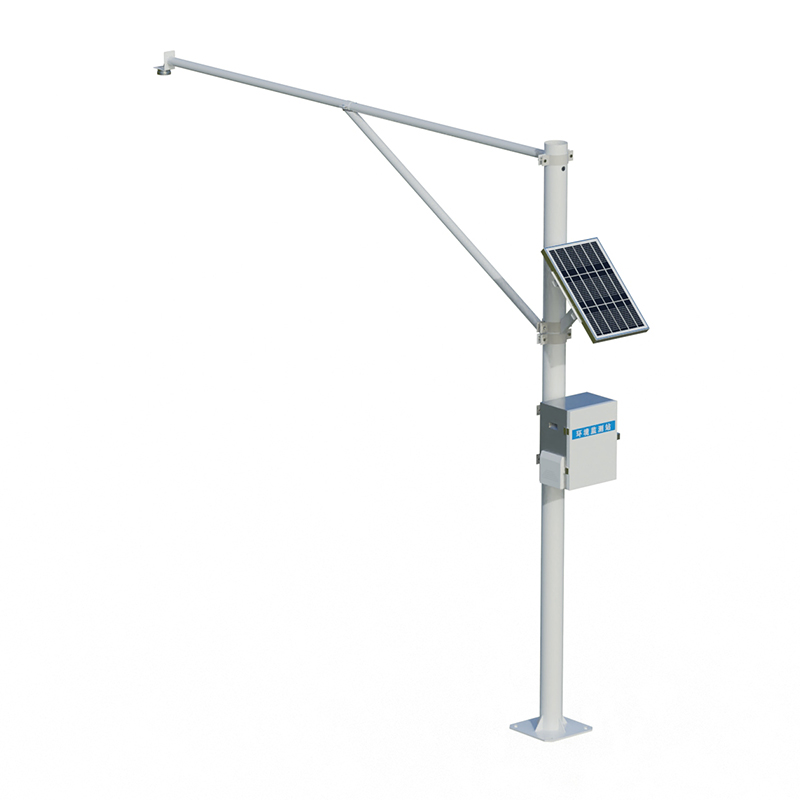
Solar-powered water level monitoring system employs K-band planar radar technology to measure water levels in a non-contact manner. Powered by a combination of solar panels and rechargeable batteries, the device is ideally suited for hydrological monitoring scenarios in remote areas or locations lacking access to a mains power supply; it enables the real-time acquisition and remote monitoring of water level data.
Solar-powered system is a fully automated, online hydrological monitoring device based on microwave technology, primarily utilized for measuring water levels in channels, reservoirs, and riverways. The system's core measurement component utilizes K-band planar radar technology: it emits electromagnetic waves toward the water surface in a non-contact fashion and receives the returning echoes. By applying built-in software algorithms to calculate the electromagnetic wave's time of flight, the system derives real-time water level data. This non-contact measurement method eliminates the direct physical contact between the sensor and the water body—a common issue with traditional water level gauges—thereby effectively resolving problems such as sensor corrosion, entanglement by floating debris, or damage caused by the impact of water currents.
In terms of power supply, the solar-powered water level monitoring system relies on a combined solar panel and battery configuration. During operation, the solar panels provide the necessary power to run the device under daylight conditions while simultaneously storing any surplus energy in the rechargeable batteries. During nighttime hours or periods of continuous overcast and rainy weather, the batteries take over to provide uninterrupted power, ensuring the device maintains long-term, continuous operation even in remote regions devoid of mains power coverage. This self-sustaining power design significantly reduces the system's dependence on external power sources, offering greater flexibility in selecting monitoring site locations; units can be deployed directly along riverbanks or within reservoir areas—locations often lacking grid connectivity—to meet specific hydrological monitoring requirements.
From a technical standpoint, the system's radar water level gauge demonstrates high measurement accuracy and stability. The microwave radar technology remains unaffected by environmental factors such as temperature, humidity, and atmospheric pressure, as well as by water-specific variables like sediment content or floating debris; consequently, its measurement results exhibit excellent consistency when compared against manual water gauge readings. The device supports multiple data transmission protocols—including 4G full-network wireless communication and NB-IoT (Narrowband Internet of Things)—enabling the real-time transmission of collected water level data to a centralized water management and regulatory platform. Users can remotely access and monitor water level trends, historical data curves, and threshold-breach alarm notifications for each monitoring site via either a desktop computer interface or a mobile application. In practical applications, solar-powered water level monitoring systems are widely utilized in fields such as reservoir water condition monitoring, river channel hydrological surveying, flow allocation in irrigation canals, and urban flood warning systems. Within the context of information technology development in irrigation districts, this equipment can be integrated with sluice gate control systems to enable the automated regulation of water levels. In projects focused on the management of small and medium-sized rivers, the system provides flood control and drought relief authorities with timely information regarding changes in water levels. By replacing traditional manual measurement and reporting methods, this equipment enhances the timeliness and continuity of hydrological data, thereby providing essential technical support for water resource management and flood prevention and disaster mitigation efforts.
This paper addresses:https://www.fengtusz.com/technical/963.html