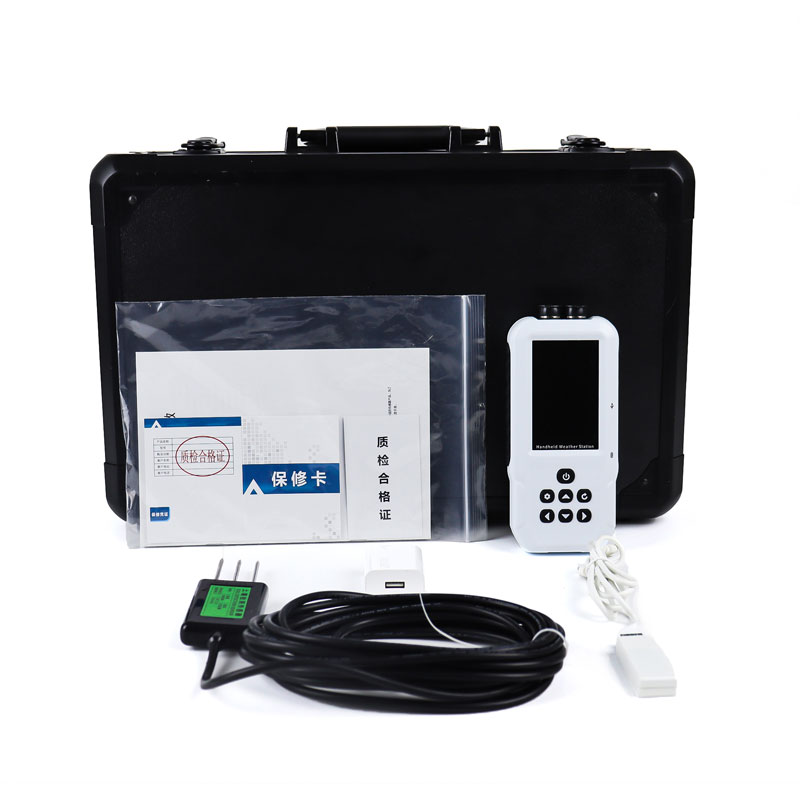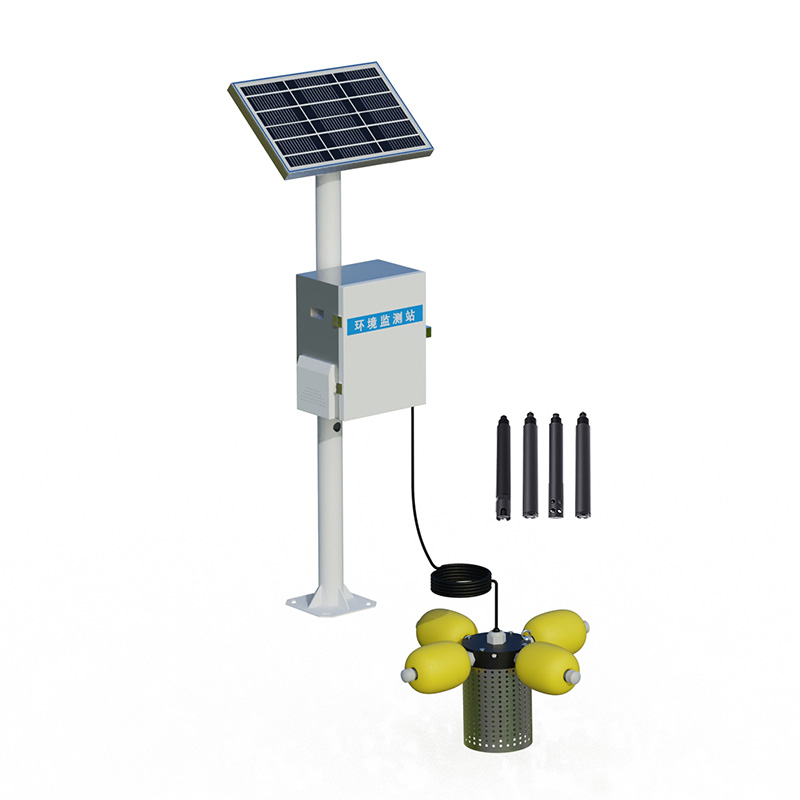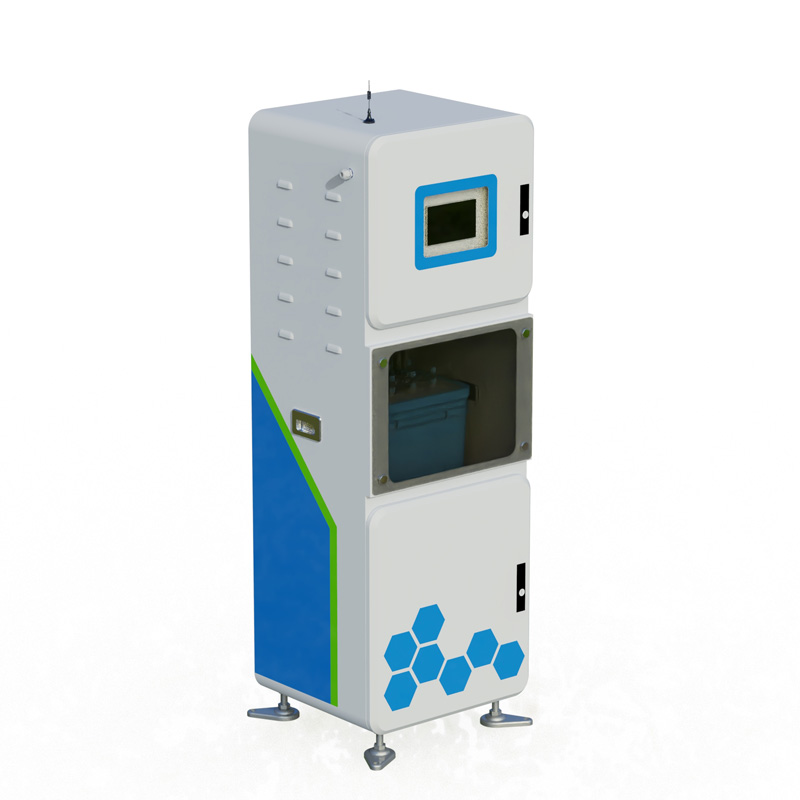
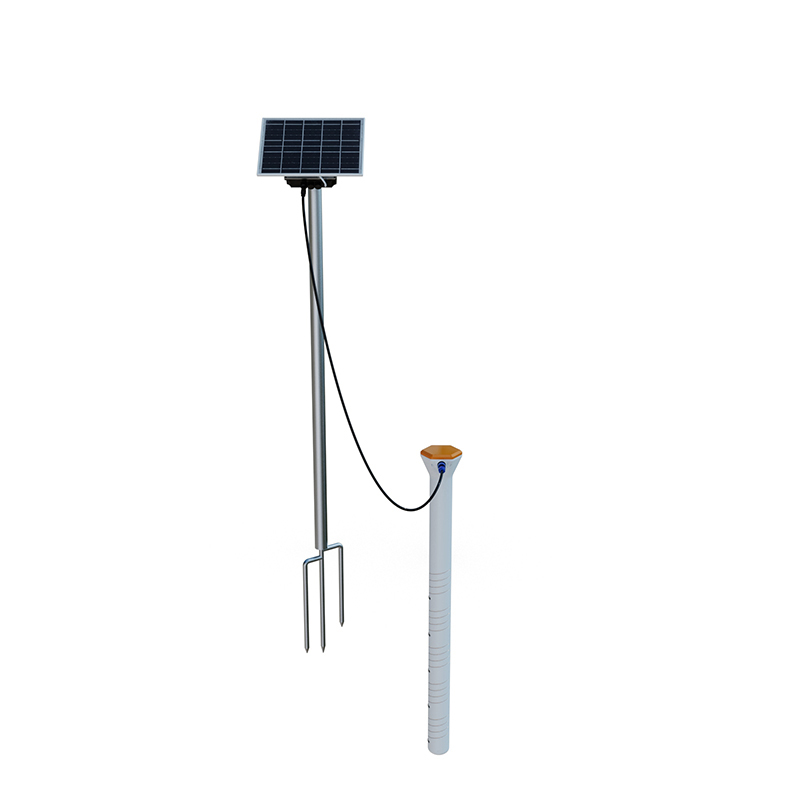
Moisture Monitoring System can simultaneously measure the profile temperature, humidity, and conductivity of five soil layers, with data transmitted to a cloud platform via wireless network. The device is solar-powered and suitable for agricultural engineering scenarios such as smart greenhouses, orchards, and irrigation.
Moisture Monitoring System is an automatic monitoring device specifically designed for online monitoring of soil profile temperature, humidity, and conductivity. Surface soil moisture is easily affected by rainfall and evaporation, while deep soil moisture directly affects the absorption efficiency of crop roots. Traditional single-layer monitoring methods cannot comprehensively grasp the distribution of soil moisture, easily leading to inaccurate irrigation. Moisture Monitoring System achieves simultaneous monitoring of multiple soil layers by installing integrated sensors at different soil depths, simultaneously measuring data from five soil layers. The number of monitoring layers can also be customized up to ten layers to meet specific needs. Each measurement layer can independently acquire temperature, humidity, and conductivity parameters, helping users understand the vertical distribution of soil moisture. The core value of Moisture Monitoring System lies in providing data support for precision irrigation. In agricultural irrigation, traditional experience-based methods often fail to accurately assess the actual moisture needs of the soil, leading to over- or under-irrigation. Through the stratified data acquired by Moisture Monitoring System, managers can clearly understand the moisture balance of each soil layer and determine whether the soil moisture in the crop root zone meets its growth requirements. If a certain soil depth remains chronically dry, irrigation improvement measures can be implemented for that layer; if the soil moisture content is too high, drainage facilities need to be strengthened. Combined with data analysis software, the system can also generate charts to display soil moisture trends and automatically send alarm messages when data exceeds set thresholds.
Regarding power supply and communication, Moisture Monitoring System uses a combination of solar panels and lithium batteries for power. The power consumption of a single sensor can be controlled to within 0.26W, and the waterproof rating reaches IP67, enabling long-term unattended operation in the field. Monitoring data is uploaded to a cloud platform via wireless communication methods such as GPRS and 4G. Users can remotely view real-time soil moisture data for each layer of the soil profile anytime via a mobile app or computer webpage. The monitoring station has been widely used in agricultural engineering fields such as smart greenhouses, smart orchards, and smart irrigation. In greenhouses, it is used to regulate drip irrigation system parameters; in orchards, it is used to guide differentiated watering for different fruit tree varieties; and in field production, it serves as a supporting equipment for high-standard farmland construction to assist irrigation district management departments in making scientific decisions.
This paper addresses:https://www.fengtusz.com/industry/994.html