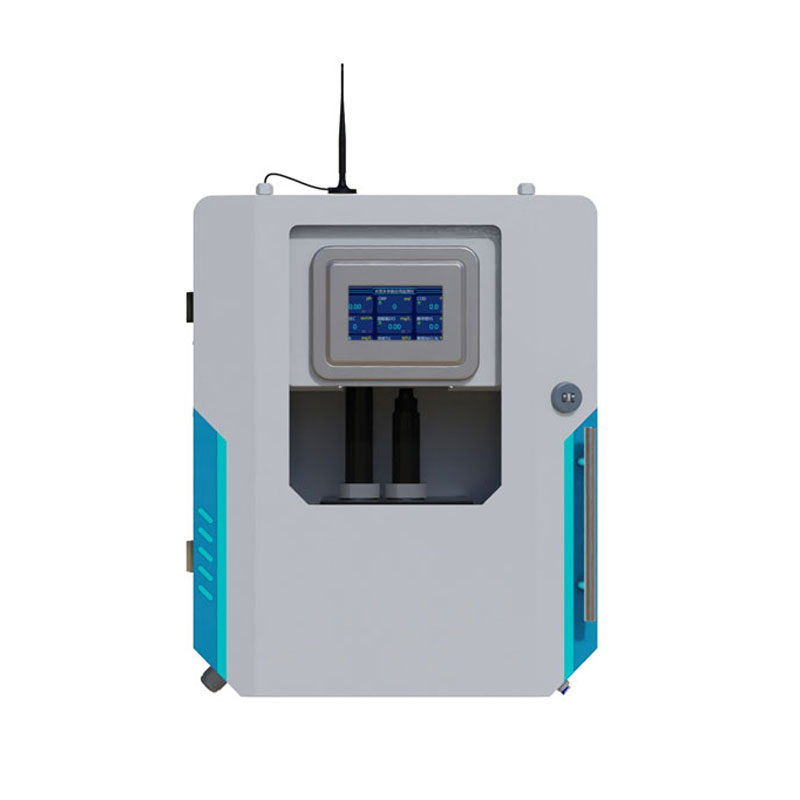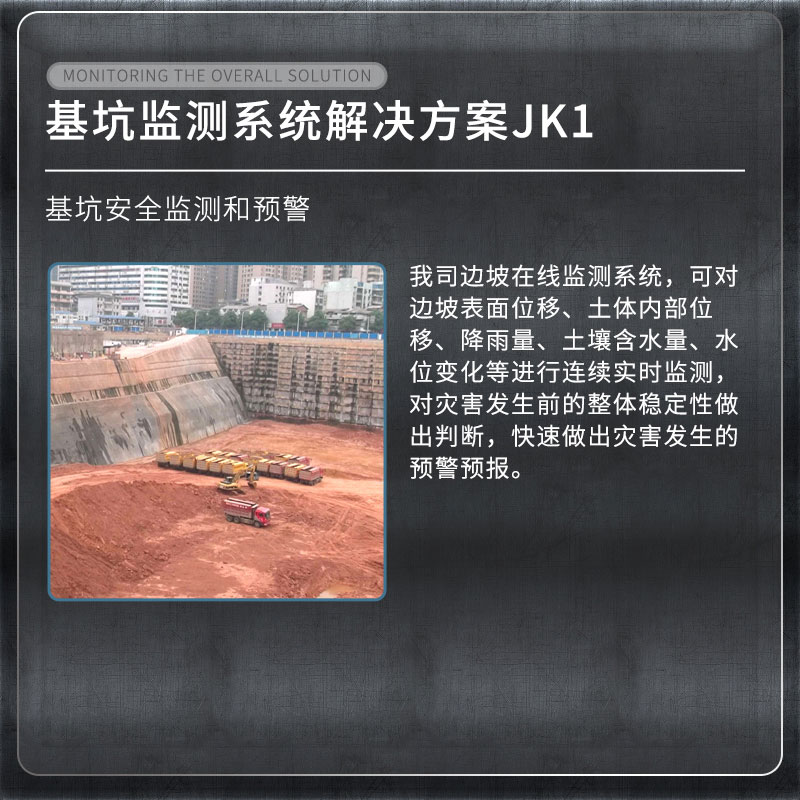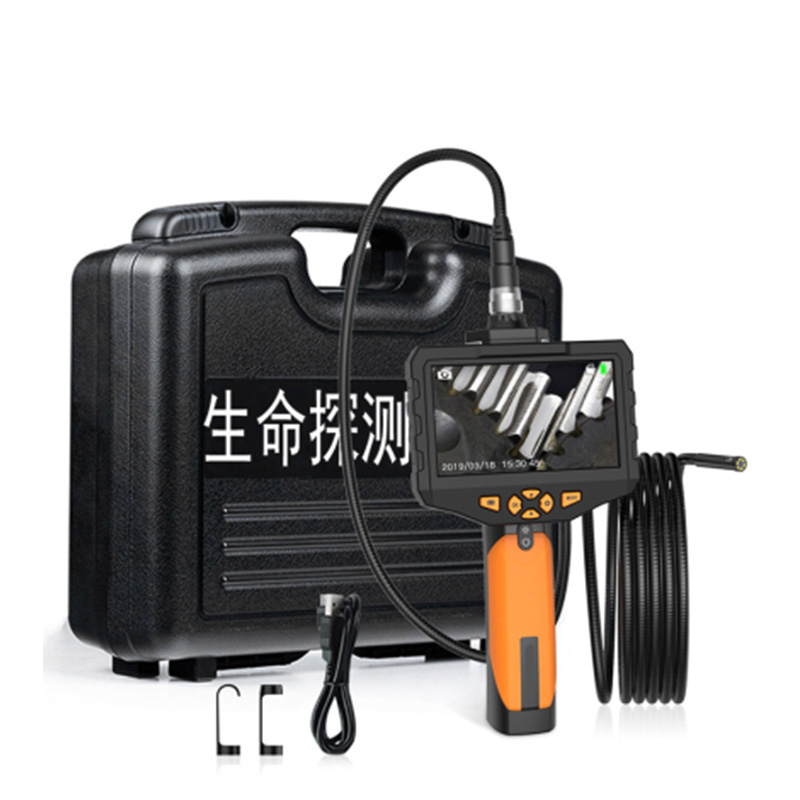
These IoT devices, leveraging sensor, IoT, and big data technologies, integrate agricultural monitoring functions across four key areas: pests and diseases, weather, soil conditions, and crop growth. They collect data around the clock on pests and diseases, weather, soil conditions, and crop growth, enabling precise monitoring and early warning, and promoting the refinement of agricultural production.
In the development of modern agriculture, traditional crop disease and pest monitoring relies on manual field inspections, which suffers from limited monitoring range, data lag, high labor costs, and frequent misjudgments and omissions, making it difficult to meet the needs of large-scale, standardized modern agricultural production. IoT devices for real-time monitoring of crop diseases and pests, utilizing wireless sensors, IoT, cloud platforms, and big data technologies, establish an all-weather, automated field monitoring system, completely revolutionizing traditional plant protection monitoring methods and becoming a core supporting device for smart agriculture construction.
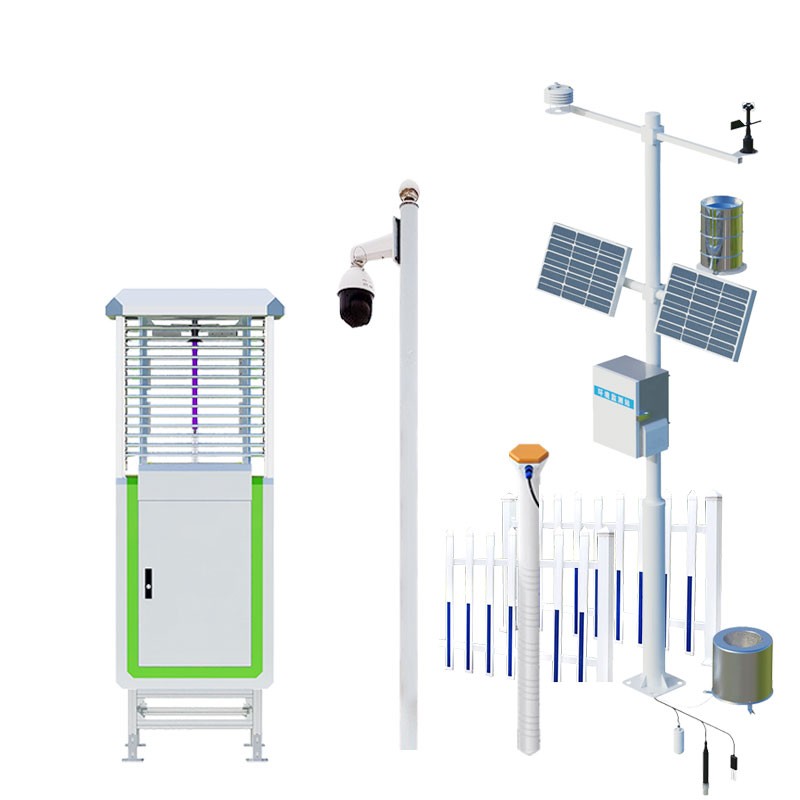
These IoT devices integrate multiple monitoring terminals and, when paired with a cloud management platform, can simultaneously perform comprehensive monitoring of agricultural soil moisture, field weather, pest and disease status, and crop growth. The hardware terminals include tubular soil moisture monitors, intelligent insect pest monitoring lights, mini weather stations, and high-definition video surveillance equipment. These devices can automatically collect core field data 24/7, such as soil temperature and humidity, air temperature and humidity, rainfall, sunlight, wind speed and direction, and the types and quantities of pests and diseases. This data is uploaded to a cloud platform in real time via 4G and GPRS networks, enabling dynamic data collection and remote synchronization.
Leveraging cloud-based big data analytics and AI recognition technology, the real-time crop pest and disease monitoring IoT devices can automatically collect pest and disease data, analyze pest development trends, and identify pest types. They also retain historical environmental data, including meteorological and soil data, providing precise data support for agricultural managers. Staff can remotely view various field parameters and crop growth status without on-site inspections, adjust field management plans promptly based on data feedback, predict pest and disease outbreak risks in advance, and implement scientific prevention and control measures.
Compared to traditional manual monitoring methods, the real-time crop pest and disease monitoring IoT devices effectively reduce agricultural labor input, avoid the errors and delays of manual monitoring, and improve the timeliness and accuracy of pest and disease control. The equipment is adaptable to various agricultural planting scenarios such as open fields, orchards, and woodlands. It can continuously optimize agricultural production management models, improve the utilization rate of agricultural production resources, improve the quality of agricultural products, and steadily promote the development of agricultural production towards refinement, efficiency, and modernization.
This paper addresses:https://www.fengtusz.com/technical/1075.html